
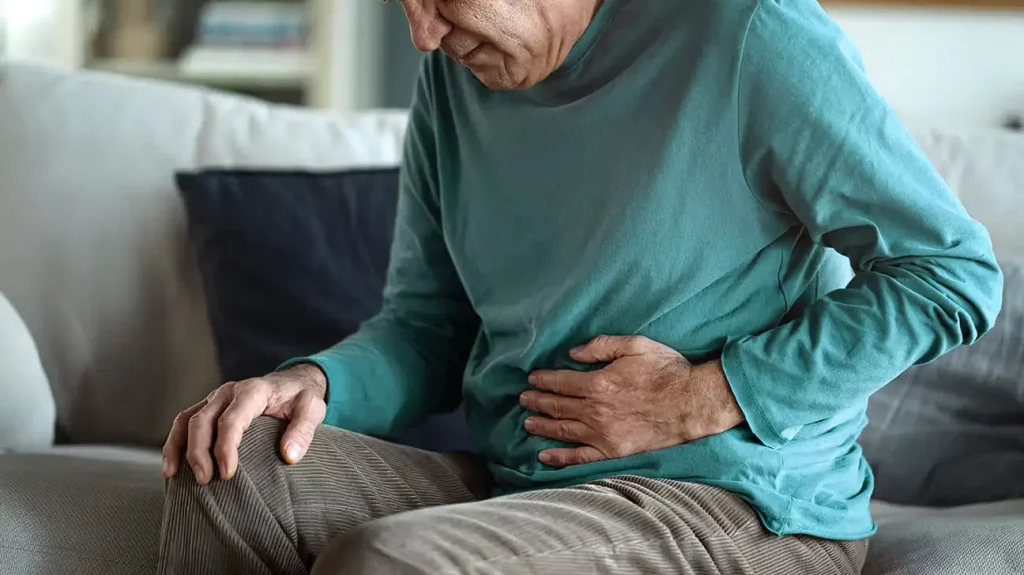

As we age, older adults are more likely to experience digestive problems in the elderly such as constipation, indigestion, acid reflux, and intestinal disorders. These issues can reduce our quality of life and, if not managed properly, can lead to more serious problems. In such situations, it is important for families and caregivers to be well-informed about the causes, symptoms, and prevention and treatment of digestive diseases.
While these disorders can occur at any age, approximately 40% of older adults experience one or more age-related digestive problems each year. Gastrointestinal tract disorders in older age are just one of the many ailments that can plague older adults, and they can be prevented by improving your diet, drinking enough fluids, getting regular exercise, and managing your medications. In this humanhealthmag article, we look at the most common digestive problems in older adults and managing common gastrointestinal problems in older adults.
Digestive Problems in the Elderly
The health of the digestive system is very important for everyone. The digestive system of older people has functional problems. Digestive problems in the elderly may show various complications such as heartburn, feeling of pain in the stomach after eating, increased gas in the stomach, and diarrhea and constipation in the elderly.
The occurrence of these symptoms in the elderly can be a sign of problems such as stomach ulcers, gastric reflux in the elderly, thyroid problems such as hypothyroidism or hyperthyroidism, and intestinal inflammation. Considering the relationship between elderly nutrition and diseases, many problems related to the digestive system can be eliminated.
Causes of Digestive Problems in the Elderly
Many factors contribute to digestive problems in the elderly. Crohn’s and colitis are inflammatory bowel diseases that can occur at any age, but these diseases occur more often in old age and are one of the causes of digestive diseases in the elderly. Lack of a proper diet also causes digestive problems in the elderly. For example, not drinking enough water and eating fast foods and not having enough fiber in the diet of the elderly will cause digestive problems in them.

Severe stress in the elderly can also affect the digestive system in people, and people who experience a lot of stress see symptoms of bloating, loss of appetite and inflammation in their bodies. One way to make the digestive system work better in people is regular physical activity such as walking or other sports. The decrease in these activities in the elderly causes digestive problems in them.
Some digestive problems in the elderly are genetic, while others are caused by the use of various medications or by repeated infections that disrupt their digestive system. In general, these diseases are more common in people over 60 years of age.
Symptoms of Digestive Diseases in the Elderly
The symptoms that the elderly show due to digestive problems can vary depending on the type of disease. For example, when their bowel function is impaired, meaning they suffer from constipation or diarrhea. When their stomach does not defecate more than 3 days a week and they have difficulty defecating, the elderly person is constipated. When the elderly person defecates more than 3 times a day and their stools are loose and watery, they have diarrhea. Home remedies for senior constipation can be used to treat this problem.
A feeling of pain in the abdomen that is accompanied by heartburn, sourness, bloating or vague pain. When the elderly person has a false appetite and overeating for no reason or loses his appetite. In this case, the person cannot swallow food properly and feels like he is choking while eating. Changes in the stool of an elderly person, for example, blood in their stool or the color of their stool is dark and black, are also signs of digestive diseases. Other symptoms include sudden severe weight loss.
Types of Digestive Problems
Some of the most common digestive problems in the elderly include the following:
Constipation
Constipation is a functional disorder of the digestive system that makes it difficult to have a bowel movement. If a person has a bowel movement less than three times a week, they have this problem. Causes of constipation in the elderly often is insufficient dietary fiber and lack of exercise. In some cases, chronic constipation leads to other problems such as fissures and hemorrhoids. The elderly are more prone to constipation for various reasons such as reduced physical activity, medication use and dietary changes. In these cases, the elderly nurse can play an important role in preventing and treating constipation by adopting a special care program.
Irritable Bowel Syndrome (IBS)
Irritable bowel syndrome is a functional disease in which the muscles of the intestine contract more or less than normal. Some foods, medications, depression and anxiety are factors that affect the occurrence of IBS. Symptoms of this disorder include abdominal pain and cramps, bloating, and changes in bowel habits, such as harder or looser stools. Self-care tips such as avoiding excessive caffeine consumption, increasing fiber in the diet, and managing daily stress can help reduce symptoms of irritable bowel syndrome.
Hemorrhoids
When the veins in the rectum become overly dilated, a structural condition called hemorrhoids forms. This condition occurs due to straining during bowel movements, chronic diarrhea, prolonged sitting, and eating low-fiber foods. There are two types of hemorrhoids: internal hemorrhoids and external hemorrhoids. In internal hemorrhoids, blood vessels bulge inside the anal opening and may bleed during bowel movements. External hemorrhoids are veins that lie just under the skin on the outside of the anus. In this case, blood spots may also be seen on the stool during bowel movements.
Diverticular disease
In diverticulosis, small pouches develop in the wall of the colon. This condition usually occurs in the sigmoid colon, the last part of the large intestine. Diverticular disease is very common in the elderly, with 50 percent of people over 60 having the condition. Diverticulosis is often caused by a lack of fiber in the diet and can sometimes lead to other complications, such as infection and inflammation of the intestine, which can result in bleeding and blockage. Treatment for diverticulosis involves relieving constipation in the elderly and sometimes taking antibiotics to reduce inflammation.
Colon polyps and cancer
A large number of elderly people develop colorectal cancer each year. Fortunately, due to recent advances in the diagnosis and treatment of digestive diseases, colorectal cancer is one of the most treatable cancers. Using a variety of screening tests, the problem can be detected long before symptoms appear and the disease can be prevented. Almost all colon cancers start as colon polyps. Polyps are benign, noncancerous growths that appear in the tissue of the colon and rectum. Cancer develops when polyps grow and produce abnormal cells.
Ways to Prevent Digestive Diseases
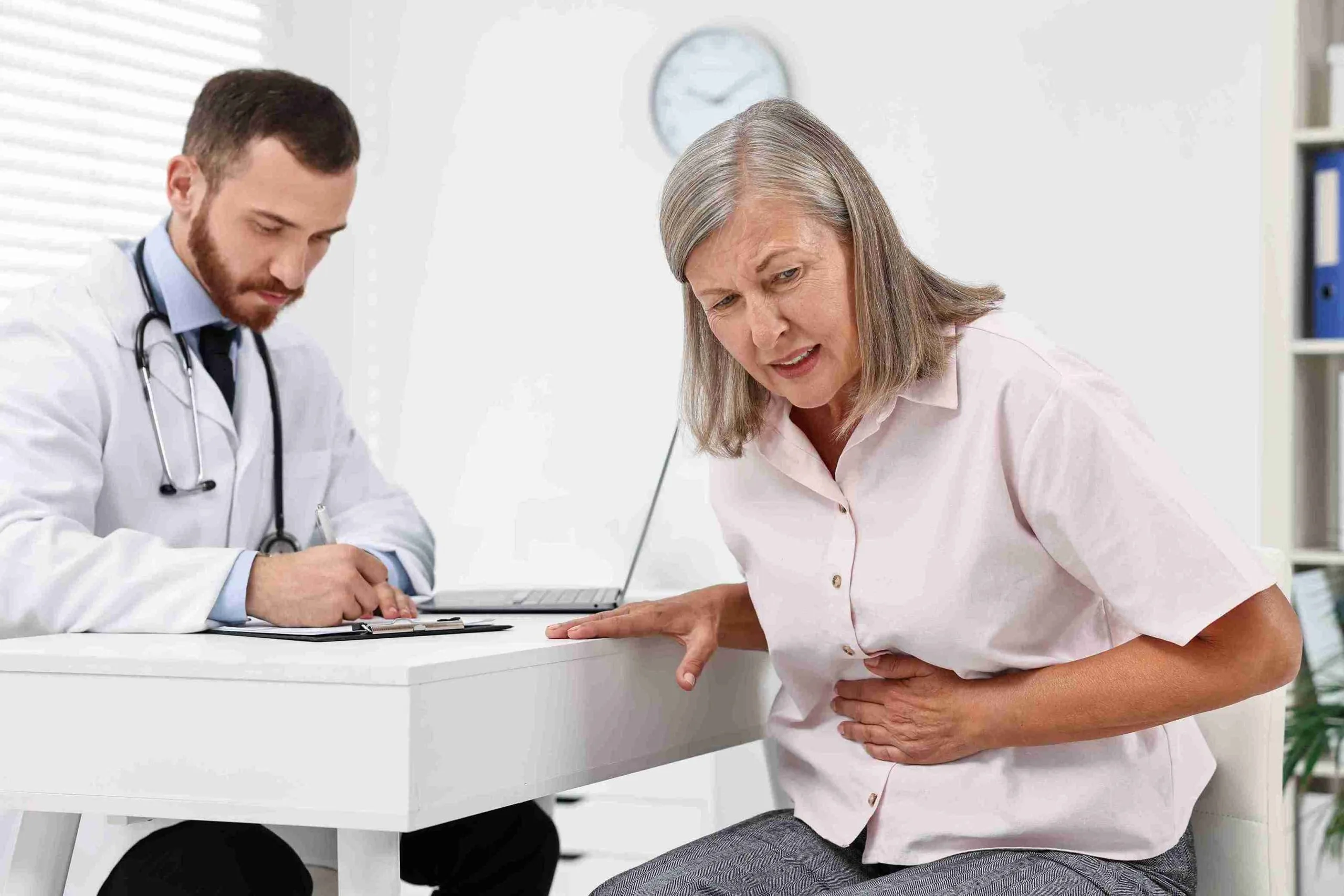
To prevent digestive problems, it is enough to avoid doing all the things that aggravate digestive symptoms. For example, increase the amount of fiber in your diet, drink enough water, and try not to get stressed and anxious. Also, regular exercise is very effective in improving and preventing digestive problems. All of these measures help prevent digestive problems in the elderly. Massage therapy for the elderly can also be useful to some extent for this purpose.
High-fiber foods such as fruits, vegetables, and legumes can prevent constipation and improve the movement of substances in the intestines. Drinking enough water throughout the day can improve the digestion process in healthy people. Eating low-fat proteins such as chicken, eggs, and fish helps maintain and strengthen muscles in the body of elderly people. Reducing sugar and salt intake prevents diabetes and blood sugar. Avoiding tobacco and drugs helps maintain overall health. Include fermented foods like kimchi in your diet to improve your gut bacteria.
Challenges of Caring for the Elderly With Digestive Problems
As we age, the digestive system may encounter problems. Here are some of the challenges of caring for the elderly with digestive problems:
- Chronic digestive disorders: Some digestive diseases such as inflammatory bowel disease, Crohn’s disease, and colitis may appear chronically in the elderly, in which case the elderly need patient and long-term care.
- Long-term use of digestive medications: In some situations, controlling the symptoms of digestive diseases requires long-term use of medication. In such cases, using the services of a geriatric nurse has a significant impact on the correct and timely use of medications.
- Nutritional problems: The elderly may not be able to consume all types of food due to digestive problems, and this may lead to nutritional problems and vitamin deficiencies.
- Need for special care: The elderly with digestive diseases need special care to improve their diet, take medications regularly, prevent drug side effects, and prevent depression and anxiety. In order to better care for the elderly, especially those with chronic digestive diseases, hiring a geriatric nurse is a good way to increase their quality of life.
Concluding Remarks
Digestive problems in the elderly include a variety of diseases such as gallstones, hemorrhoids, irritable bowel syndrome, stomach ulcers, etc. These diseases occur due to the digestive system becoming irritable and vulnerable in old age. In general, aging is always accompanied by extensive changes in the body’s systems and organs, and this is inevitable. However, by having a healthy lifestyle, the elderly can prevent many diseases and problems of this period, especially digestive diseases of the elderly. In general, they should avoid smoking, alcohol, soft drinks, and any substance containing caffeine.
Thank you for following this article so far. If you also have information or experience in this field, you can share it with us and other users.

Frequently Asked Questions
Why Do the Elderly Suffer From Digestive Diseases?
At this age, the muscles of the digestive system weaken and the occurrence of diseases related to the digestive system is more common. Also, with the use of medications, some complications involving the digestive system occur. All of these cases cause digestive diseases.
Is Intestinal Obstruction Dangerous in the Elderly?
Yes, it is both dangerous and has silent symptoms. In the case of a ruptured esophagus, it can even be fatal
Is Gastric Bleeding Fatal?
If it is not diagnosed in time and the treatment process is not started, it causes complications that are fatal. Such as stomach cancer or the inability to eat properly and malnutrition, etc.
Why Do the Elderly Get Constipated?
It is mostly due to diverticular disease. Swelling of the internal pouches of the intestine, which is often asymptomatic and constipation is the only visible sign of it.
What Is the Cause of Intestinal Obstruction in the Elderly?
Crohn’s disease, morphine use, and cancerous tumors can cause intestinal obstruction in the elderly and other digestive diseases in the elderly.
What are the Symptoms of Stomach Bleeding in the Elderly?
The presence of fresh blood in the stool and vomiting, fatigue, and weakness are the main symptoms of stomach bleeding in the elderly and the elderly.