
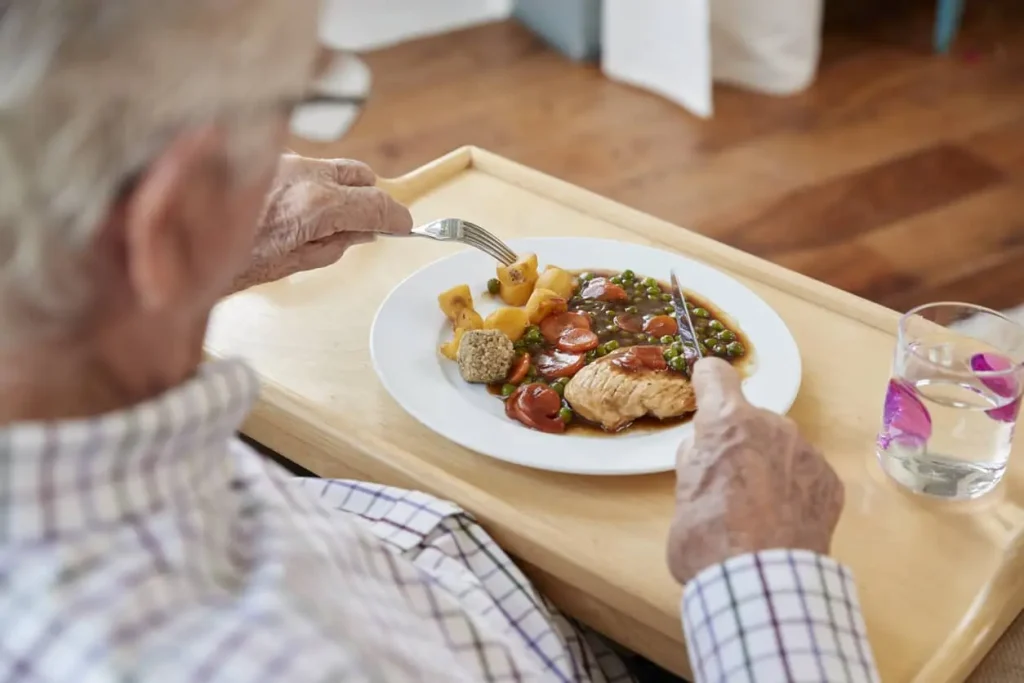

Choosing meal ideas for seniors is very important. Because as we age and decrease physical activity, the body’s needs change, and proper nutrition plays an important role in maintaining a person’s health during this period. As we age and begin to age, nutrition becomes more important. In this regard, having a food list for the elderly will help you prepare nutritious and healthy foods that meet the needs of the individual’s body well.
In this articlefrom humanhealthmag website, we will introduce appropriate food for the elderly, which, in addition to being nutritious, are easy to digest and are suitable for the digestive system of these people. So stay with us until the end of the article.
Why Should Seniors Pay More Attention to Their Nutrition?
A healthy and balanced diet can help increase seniors’ energy, prevent diseases, strengthen the immune system, and improve mental and physical performance. Therefore, setting meal ideas for seniors can help you fill your healthy food list with nutrients. As you age, the immune system weakens, and the elderly’s body becomes more vulnerable to infections and diseases. Eating foods rich in vitamin C, vitamin D, and antioxidants, such as citrus fruits, leafy green vegetables, and fatty fish, helps improve the body’s immunity. If you are looking for foods for weight gain in elderly, fill your list with protein foods.
Osteoporosis and reduced bone density are common problems in the elderly. As a result, a diet rich in calcium and vitamin D (such as low-fat milk, yogurt, almonds, and salmon) helps maintain bone health and prevent fractures. High blood pressure and high cholesterol are also common problems in the elderly. Consuming low-salt and low-fat foods such as olive oil, fish, legumes and vegetables can promote heart health and reduce the risk of heart disease.
In addition to all these, as we age, digestion slows down in the elderly and problems such as constipation become more common. Therefore, consuming enough fiber through whole grain bread, legumes, vegetables and fruits improves bowel function and prevents constipation. In addition, the elderly are more prone to deficiencies in essential vitamins such as B12, D and iron, which can cause fatigue, weakness and memory loss. So including nutritious foods for the elderly such as white meat, fish, eggs and low-fat dairy products in the diet compensates for these deficiencies.

What Is the Secret of a Good Meal Ideas for Seniors?
A healthy and balanced diet can ensure the health and longevity of the elderly. But what meal ideas for seniors are more suitable? What features should be observed in their diet? To prepare a daily meal plan for the elderly list, you must observe important points. The food list for the elderly should include all macronutrients (protein, healthy fats and beneficial carbohydrates) and micronutrients (vitamins and minerals). Some of the most important nutrients are:
- Protein: to maintain and strengthen muscles (eggs, white meat, fish, legumes).
- Calcium and vitamin D: to strengthen bones and prevent osteoporosis (low-fat dairy products, fish, green leafy vegetables).
- Fiber: to improve digestion in the elderly and prevent constipation (whole grain bread, fruits, vegetables).
- Healthy fats: to maintain a healthy heart and brain (olive oil, avocado, nuts).
- B vitamins: to increase energy and prevent memory loss (fish, dairy, eggs).
Low-salt and low-fat, but still delicious
Seniors should avoid consuming too much salt and unhealthy fats, as these can cause high blood pressure and heart problems. It is recommended to:
- Use natural spices such as turmeric, cinnamon and lime to flavor foods instead of salt.
- Instead of fried foods, choose healthier cooking methods such as steaming, boiling and grilling.
- Increase the consumption of healthy vegetable oils such as olive oil and sesame.
Soft and easy-to-chew foods
Many seniors cannot easily consume hard foods due to dental problems or reduced chewing ability. Therefore, foods that are soft and easy to digest will be a better choice. Some good suggestions include:
- Light, nutritious soups (such as barley soup, vegetable soup, and chicken soup).
- Purified vegetables and legumes (such as mashed potatoes and softened lentils).
- Healthy smoothies with fruit and dairy (such as a banana and low-fat milk smoothie).
Small but frequent meals
Seniors tend to have smaller appetites, so it’s better to eat 5 to 6 small meals throughout the day instead of three large meals. This will help prevent fatigue and low blood sugar. Example of a healthy diet for seniors:
- Breakfast: Whole wheat bread + boiled egg + low-fat milk
- Snack: Probiotic yogurt + nuts (walnuts, almonds)
- Lunch: Chicken and vegetable dish + brown rice
- Evening: Milk and date smoothie + whole wheat biscuits
- Dinner: Barley soup with vegetables + pinto bean salad
Dietary variety, the key to enjoying food
- Seniors, like everyone else, get tired of eating repetitive foods. Therefore, their diet should be varied and attractive. Combining several types of food for seniors and creating variety in the color, taste and texture of foods can increase their appetite.

Best Foods for Seniors (Health List)
Choosing a healthy and nutritious meal ideas for seniors list helps maintain health, increase energy, and prevent age-related diseases. Below, we introduce the best options for breakfast, lunch, dinner, and snacks for seniors that are both nutritious, soft, and easy to digest, and meet the nutritional needs of seniors.
Healthy Breakfasts for Seniors
Breakfast is the most important meal for seniors, as it increases energy, improves brain function, and regulates blood sugar. A healthy breakfast should be a combination of protein, fiber, vitamins, and healthy fats.
- Oatmeal porridge with milk and honey – rich in fiber, calcium, and B vitamins for an energetic start.
- Whole grain bread with low-fat cheese and walnuts – a combination of calcium, protein, and healthy fats for bone health.
- Boiled eggs with whole grain toast – a rich source of protein to strengthen the muscles of the elderly.
- Low-fat yogurt with honey and sherbet seeds – useful for improving digestive function and strengthening the immune system.
- Fruit smoothie with low-fat milk and nuts – a nutritious and nutrient-rich drink to strengthen the body.
Healthy and Nutritious Lunches for the Elderly
Lunch should include a combination of protein, healthy carbohydrates and healthy fats to help strengthen muscles, improve digestion and provide energy.
- Steamed chicken and vegetable dish – low-fat, rich in protein and suitable for easy digestion in the elderly.
- Grilled salmon with brown rice – rich in omega-3 and antioxidants to promote heart and brain health.
- Lentils with barley bread – an excellent source of iron and plant protein that helps prevent anemia in the elderly.
- Pumpkin and eggplant stew – a low-fat and light meal, rich in vitamins and minerals.
- Pinto bean salad with olive oil and lemon juice – a combination of fiber and plant protein that helps maintain a healthy digestive system.
Meal Ideas for Seniors for Dinner
Dinner should be light and easy to digest to prevent digestive problems and improve sleep quality.
- Barley soup with fresh vegetables – a light and fiber-rich meal that helps improve digestion.
- Mashed potatoes with shredded chicken – a good source of healthy carbohydrates and protein to provide energy.
- Yogurt and cucumber with whole grain bread – a simple, cool and relaxing meal for seniors.
- Poached eggs with spinach and whole grain bread – an excellent combination of iron and vitamin B12 to strengthen the blood and prevent weakness.
- Green bean stew with carrots and potatoes – a low-fat and nutritious meal to strengthen the immune system.
Healthy and Nutritious Snacks for Seniors
When planning meal ideas for seniors, you should also consider snacks. Healthy snacks for seniors play an important role in maintaining energy levels, preventing physical weakness, and providing essential nutrients for seniors. Seniors should eat snacks with natural sugars and healthy fats.
- Nuts and dried fruits (walnuts, almonds, raisins, dried figs) – provide healthy fats and vitamins.
- Probiotic yogurt – useful for improving bowel function and digestion in seniors.
- Soft and ripe fruits (bananas, baked apples, pears, peaches) – an excellent source of antioxidants and fiber.
- Low-fat cheese and dates – a combination of protein and natural sugar to provide daily energy.
- Milk and date smoothie with walnuts – enhance memory and energy for seniors.
Unsuitable Foods for Seniors
Just as some foods, such as the meal ideas for seniors we introduced, help boost the health of seniors, others can exacerbate digestive problems, high blood sugar, high blood pressure, and physical weakness. In this section, we introduce a list of several types of foods for seniors to avoid.
Fried and high-fat foods
Fried foods are rich in unhealthy fats and high cholesterol, which can cause increased blood pressure, obesity, and digestive problems. Harmful foods in this category:
- Fried potatoes
- Fast foods (pizza, burgers, hot dogs)
- Fatty chips and snacks
- Chicken or fish fried in a lot of oil
Sweets and sugary drinks
High sugar consumption in seniors can increase blood sugar and increase the risk of diabetes, overweight, and physical weakness. Harmful foods in this category:
- Carbonated drinks and energy drinks
- Cakes, sweets and industrial biscuits
- Industrial fruit juices with added sugar
- Jams and sweet chocolates
Processed meats
Processed meats contain a lot of salt and preservatives, which can increase blood pressure and kidney problems. Harmful foods in this category:
- Sausages
- Prepared hamburgers
- Canned meats such as tuna with a lot of oil
- Smoked and salted meats
Too much salt, the risk of high blood pressure
Too much salt intake for seniors can increase blood pressure and increase the risk of heart and kidney diseases. Elderly people should avoid consuming too much salty foods. Harmful foods in this category:
- Canned foods (such as paste, pickles, salted olives)
- Salted nuts
- Industrial sauces such as soy sauce and mayonnaise
- Prepared and fast foods
Caffeinated drinks
Excess caffeine can cause insomnia, increased stress, and digestive problems. It is better for the elderly to reduce the amount of these drinks consumed. Harmful drinks in this category:
- Strong coffee and Nescafe
- Strong black tea
- Energy drinks
- Some herbal medicines containing caffeine
Golden Tips for Preparing Meal Ideas for Seniors
Preparing several types of meal ideas for seniors requires observing several important principles. From the choice of raw materials to the way the food is cooked and served, all of these can affect the digestion of food, the supply of nutrients and maintaining the health of seniors. In this section, we will review the key points for preparing healthy and nutritious meals for seniors.
- Using healthy cooking methods: Steaming, boiling and grilling are the best ways to preserve nutrients and reduce unhealthy fats.
- Choosing soft and easy-to-chew foods: Seniors with dental problems should eat soft foods such as soups for seniors, purees and light meals.
- Reducing salt and spicy foods: Excessive salt consumption increases blood pressure, and spicy foods can cause digestive problems.
- Balancing meals: Dividing food into 5-6 small meals a day helps maintain energy and prevent weakness.
- Create variety in senior meals: Changing cooking methods and using vegetables and natural flavors will increase appetite and provide a variety of nutrients.
- Consume foods rich in fiber: Fiber helps improve digestion for seniors and prevents constipation. Fruits, vegetables, and whole grain bread are good options.
- Keep hydrated: Seniors feel less thirsty, but they should drink at least 8 glasses of water a day to prevent dehydration and kidney problems.
- Use healthy fats: Vegetable oils such as olive oil and sesame are a good alternative to unhealthy fats and help with heart health.
Concluding Remarks
In this article, we have introduced some meal ideas for seniors. Overall, having a balanced and nutritious diet can help strengthen the immune system, increase energy, prevent chronic diseases, and improve the quality of life of seniors. By preparing the foods mentioned above, you can help improve the nutritional quality of your seniors.
Thank you for following this article so far. If you also have information or experience in this field, please share it with us and other users.

Frequently Asked Questions
What Foods Should Seniors Eat More of?
Foods rich in protein, calcium, fiber, omega-3, and vitamins B12, D, and C, such as fish, low-fat dairy, vegetables, olive oil, and eggs, are beneficial for seniors.
What Foods Are Difficult for Seniors to Digest?
High-fat foods, fried foods, fast foods, puffed grains, carbonated drinks, and spicy foods may cause digestive problems.
What Diet Is Recommended for the Elderly?
Small but nutritious meals, low in salt and fat, rich in fiber and protein, avoiding artificial sugars, and drinking enough fluids are the principles of healthy nutrition for the elderly.
Are Soft and Easily Digestible Foods More Suitable for the Elderly?
Yes, soups, purees, soft foods, and ripe fruits are better options for the elderly who have difficulty chewing and swallowing.