
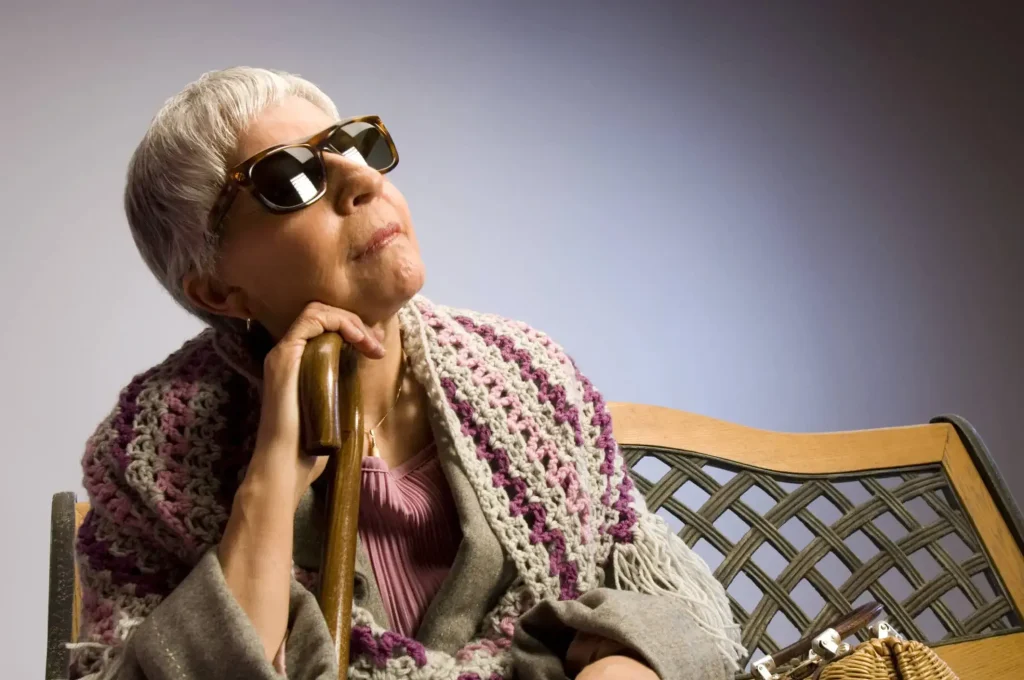

Caring for a blind elderly person at home is one of the most important and sensitive areas of home care that requires special attention to physical, psychological and environmental aspects. This type of care has specific challenges that most families are not fully prepared to face. Living in old age or with certain diseases requires special care. Now imagine this condition is also accompanied by blindness. Blindness can severely reduce a person’s independence and make many everyday tasks difficult or even impossible. In such circumstances, the importance of a supportive and specialized environment to increase the quality of life of these people is doubled.
In the following article from humanhealthmag, there will be a detailed and comprehensive journey into the world of caring for the elderly and blind patients. From psychological and physical needs to how to adapt the home environment and communicate effectively with the blind person, all of these things together help not only to prevent possible injuries, but also to ensure the peace and security of the blind person. Ultimately, with a deeper understanding of this issue, the audience can make the best decision for the well-being of their blind loved one. Stay with us to learn more care tips.
Challenges in the Lives of Blind and Partially Sighted Elderly People
To care for a blind elderly person at home, you need to familiarize yourself with the challenges in the lives of these people. Blind or partially sighted patients and elderly people face challenges that are sometimes hidden from the eyes of those around them. The inability to see is only part of the story; what makes their daily lives difficult is unwanted dependence, reduced independence, and constant psychological stress. If these challenges are not managed properly, the person’s physical and mental health is severely affected. The most important challenges for blind people are:
- Difficult mobility in the home or outdoors: Blind or partially sighted people may have accidents with objects or fall even in their own homes. The lack of proper equipment or constant changes in the layout multiplies the risk. For many of them, leaving the house unaccompanied is almost impossible. In this way, the presence of a nurse at home for the blind or partially sighted patient and elderly person is essential.
- Dependence on others for simple tasks: Tasks like taking medication, using the phone, or even heating food can be challenging for these people. This constant dependence can lead to a decrease in self-confidence and feelings of worthlessness. Some are even embarrassed to ask for help or prefer to hide their needs.
- Social isolation and depression: Blindness can reduce social communication, as a person may not be able to recognize faces or feel insecure in public. This problem can also be a cause of anger in the elderly. Avoiding social interactions, especially in the elderly, increases the risk of depression. The lack of effective communication exacerbates feelings of loneliness. H
- Difficulty accessing information and technology: Reading a newspaper, using a smartphone, or following the daily news without visual aids is almost impossible. Many older people are not adapted to new technologies or are not trained. This makes them lag behind the information society and feel weak.
- Risks associated with incorrect medication use: It is difficult for people with low vision or blindness to correctly identify medications, their timing, and dosage. Misuse of medication, especially in the elderly, can have dangerous consequences. A skilled nurse can minimize this risk and monitor the treatment process.
Skills Required for Caring for a Blind Elderly Person at Home
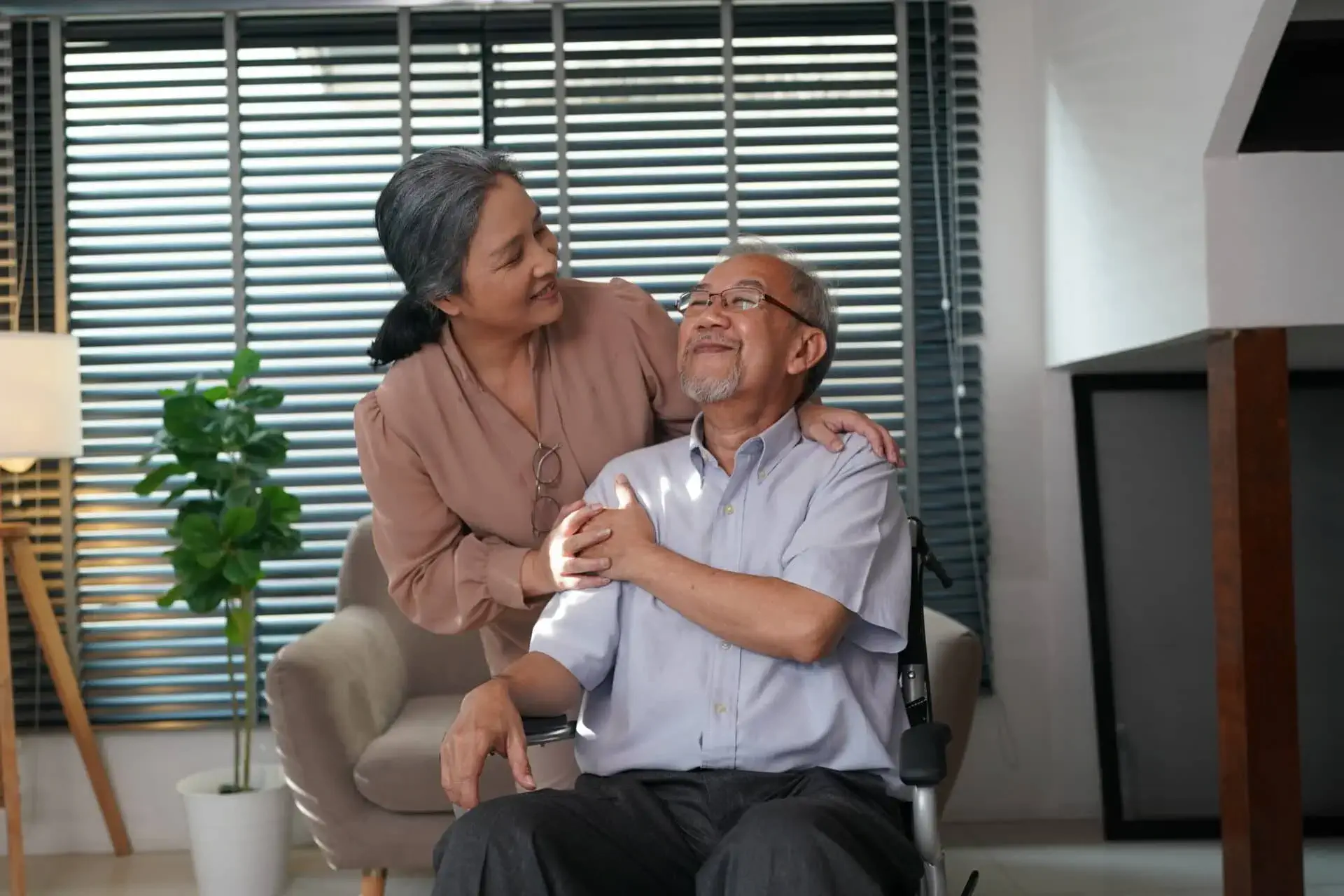
Caring for a blind elderly person at home is not just a routine task; it requires a combination of observation, patience, trainability, and situation management skills. Caring in this area is more like guiding a journey in the dark. Where touch, sound, time, and space take on new meanings. A successful person is one who can recognize a person’s hidden needs before they are expressed. These skills must be constantly practiced and updated, because the world of blind people is full of invisible challenges. Here are some tips for caring:
Active Listening Skills
- Blind people rely more on words than others to communicate, so both the patient’s nurse and the blind person’s caregivers, such as children and the blind elderly, must have real ears at home. Listening does not mean simply receiving sounds, but understanding the emotions behind the words. Active listening reduces stress and increases trust in the patient.
Environmental guidance and description
- The nurse should be able to verbally and accurately describe the surrounding environment to the blind person. This skill helps the person not to feel lost. Describing places, sounds, and even people present increases the sense of being in the moment.
Maintaining calm in emergency situations
- The nurse’s reaction in times of danger should be quick but controlled. The blind person is more anxious than others in such situations because they cannot see what has happened. The nurse’s calmness can make the entire space more manageable.
Gradual training of everyday skills
- The nurse should not do everything for the person; she should teach how to do things. This skill requires patience, creativity, and the ability to divide complex processes into simple steps. The blind person feels empowered by being able to do even small tasks independently.
Time management and careful planning
- Blind people often learn time through sound, planning, and repetition. The nurse should set up a routine that is predictable and repeatable. Time management helps reduce stress and increase a person’s sense of control.
Understanding Alternative Body Language and Voice Feedback
- The caregiver of a blind or visually impaired patient and elderly person at home should use sounds, touches, and vocal cues to communicate instead of traditional body language. Blind people understand body language through their voice and breathing. Understanding this specific language leads to deeper interaction.
The Impact of Types of Blindness on the Quality of Care
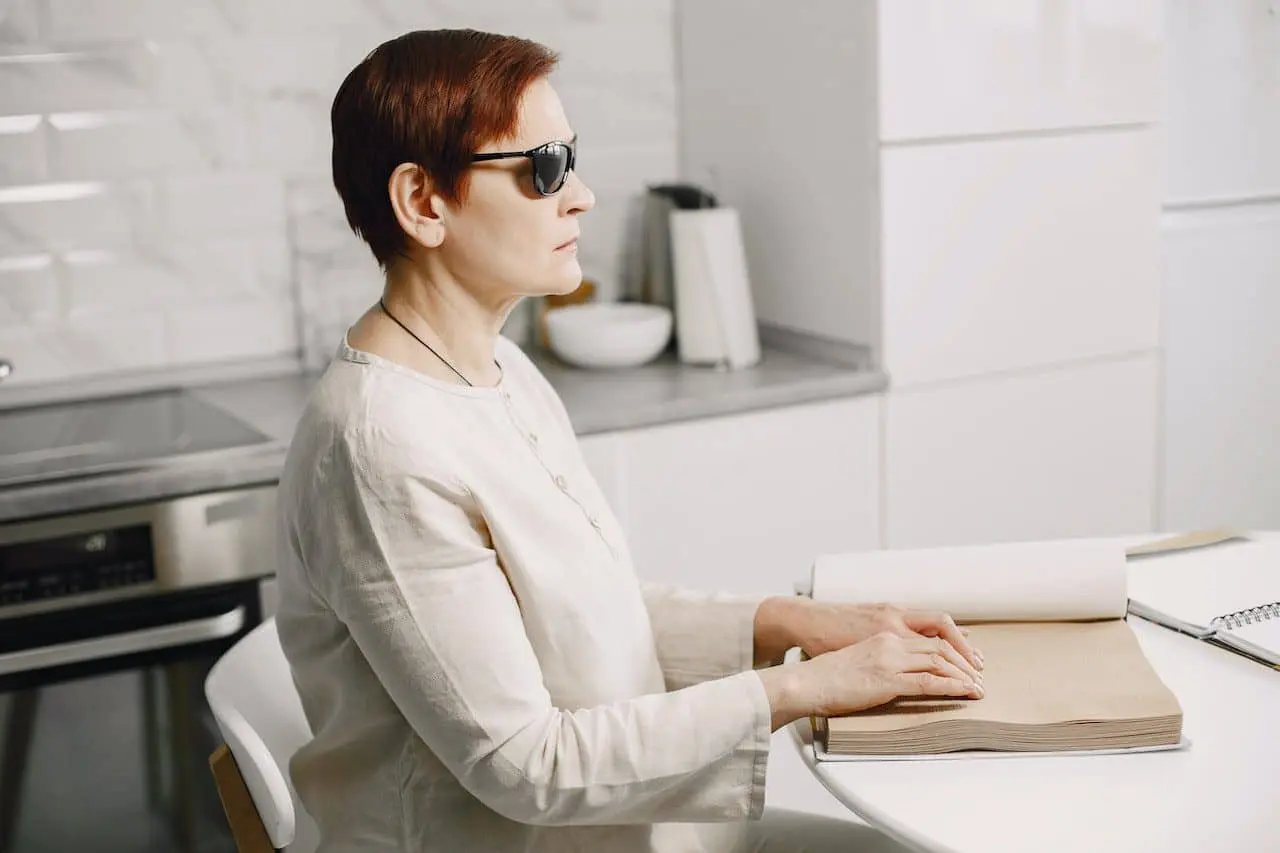
Types of blindness and vision impairment can affect caring for a blind elderly person at home. Understanding these differences helps the caregiver or elderly nurse provide more accurate, targeted, and effective care, depending on the type and severity of the visual impairment. In fact, each blind person has his or her own world, and only by properly understanding this world can one succeed in maintaining his or her dignity, peace, and independence. Here are some points that affect the type of care:
Adjusting the ambient light
Home lighting plays a key role in improving or exacerbating vision problems such as low vision. People with low vision may experience discomfort, glare, or even loss of concentration in bright light, while others need more light to better recognize objects. This difference requires the caregiver to know the individual’s vision characteristics carefully. Using adjustable light sources, study lights with variable light intensity, side lights in hallways, and high-contrast bedside lamps can make a difference in the daily lives of these people. Also, avoiding harsh lights or reflections on polished surfaces such as glass tables or shiny floors is an important principle of environmental design for the blind and visually impaired.
Arrangement of furniture
For a blind or visually impaired person, the space of the house can easily become a dangerous “minefield” if it is not arranged correctly. For people with limited vision, maintaining stability in the place of objects is one of the most important factors in preventing anxiety and falls. Sudden changes in the location of furniture or everyday objects can increase feelings of confusion, distrust, and dependence on others. For these people, especially the elderly, frequent changes in arrangement should be avoided. Additionally, using color contrast between objects and the background (for example, placing a white cup on a dark tray) makes items easier to spot. Let’s not forget that even the smallest design decisions can have a profound impact on maintaining a blind person’s independence.
Types of training and assistive devices
One of the key differences between blind and visually impaired people is the type of training they need for daily living. A person who has completely lost their sight will usually need training in navigation with a white cane, independent living skills (such as using a stove, identifying cash, or managing medication), and working with audio technologies. These people rely on tools such as talking devices, Braille clocks, or text-to-speech apps.
In contrast, people with visual impairment may be able to use digital magnifying devices, high-contrast screens, light filters, or apps that adjust color and light. They sometimes just need a magnifying glass with the right light to read a book or check bills. As a result, the choice of assistive device should not only be based on the type of vision, but also on careful and ongoing training so that the person can really benefit from it, and not just an unused tool that remains in the corner of the house.
Social and psychological communication
One of the most subtle and perhaps most important aspects of care is how to communicate with the blind or visually impaired person. Many blind people, especially the elderly, feel over time that they have become “invisible” in their relationships with others. No one looks at them directly or speaks to them anymore, especially if others assume that the blind person does not understand non-verbal communication.
In the case of people with low vision, the matter is even more complicated. They can sometimes still see hand gestures, facial expressions, or even lip reading to some extent. But this limited vision can sometimes make them feel left out or ignored. Therefore, it is important for the caregiver to consciously use clear verbal language, call people by name, describe situations around them, and announce the presence of people in the space.
It is also important for the caregiver to pay attention to the hidden feelings of the blind person: for example, a person who has recently lost their sight may feel angry, worthless, or anxious. These feelings require empathy, time, patience, and sometimes psychological support. Effective human connection not only enhances the quality of care, but also helps the person to experience a sense of worth, connection, and control over their life again.

Why Is It Necessary to Hire a Blind Elderly Nurse at Home?
There are many benefits to getting help from a nurse for caring for a blind elderly person at home. Elderly people who are blind or visually impaired usually face the following challenges:
- Falling and tripping at home
- Inability to perform personal tasks such as eating or taking medication
- Needing assistance in the bathroom, toilet or walking
- Needing help with cooking, cleaning and daily activities
As a result, with the presence of a professional nurse at home, these concerns are reduced and families can take care of their tasks with peace of mind. Centers such as how to find reliable in-home care for parents can also take care of blind people. If you need an experienced nurse to take care of your blind or visually impaired loved one, you can contact care centers active in this field.
Adapting the home environment for caring for a blind elderly person at home
The following table shows tips for caring for a blind elderly person at home:
| Home Environment | Suggested Action |
| Hallways | Remove obstacles, install grab bars |
| Bathroom | Use non-slip flooring, railings |
| Kitchen | Tidy layout, tactile labeling |
| Bedroom | Bright and empty path to bed, bedside table |
It should not be forgotten that one of the biggest concerns of blind seniors is the loss of personal independence and dependence on others. When the home environment is designed with disregard for their sensory needs, they are forced to seek help from others for the smallest tasks (such as going to the bathroom, getting a glass of water, or crossing from the bedroom to the living room). This dependence can gradually lead to feelings of inadequacy, anxiety, depression, and even aversion to life.
Designing the home environment in a way that the blind person can move around with confidence not only preserves their physical safety but also their human dignity. And this is exactly where the presence of a trained nurse and children in the home can play a golden role, someone who not only provides physical care, but also pays attention to optimizing the living environment.
Assistive Devices for Caring for a Blind Elderly Person at Home
Technology is now recognized as one of the most important tools for improving the quality of life of blind and visually impaired people. From simple tools to advanced smart devices, these technologies help a person to better cope with everyday challenges and remain as independent as possible. Here are the best tools for caring for a blind elderly person at home:
- Talking watches: Talking watches are one of the oldest and most popular assistive devices for blind people. These watches are designed to announce the time in a voice, and many models have voice alerts to remind them of medication or appointments. One of the successful and well-known examples on the market is the “Braille Smart Watch”, which in addition to announcing the time, allows the user to set voice and tactile alerts. These types of watches help a person manage their daily schedules without the need for help from others.
- Smart canes: The classic white cane has always been an important tool for the blind to navigate, but new technologies have brought smart canes to the market that go far beyond a traditional cane. For example, the “WeWALK” is a smart cane that is equipped with ultrasonic sensors to detect obstacles in front of and above the head and transmits vibration alerts to the user. The cane can also be connected to a smartphone and can provide GPS-based navigation. This technology helps blind seniors navigate different environments more confidently and avoid potential dangers.
- Mobile applications with voice reading: Smart mobile devices have opened a new world to the blind with the help of special applications. One famous example is the “Seeing AI” application developed by Microsoft, which uses the phone’s camera to read texts aloud and even describe objects, faces, and the surrounding environment. Applications such as Voice Dream Reader also allow books, emails and documents to be read in a natural voice. These tools are a great help in maintaining the independence of the individual in reading and communicating with the world around them.
- Smart home systems and voice assistants: In recent years, smart homes with systems such as Amazon Alexa and Google Assistant have provided a variety of facilities for blind people. These voice assistants can control lights, temperature, television, door locks and even some home appliances with simple commands. Imagine a blind elderly person being able to turn on the room light or open the front door by just saying a short sentence; this level of control over the environment significantly increases independence and security.
These technologies are just a few examples of the various tools available that help improve the quality of life of the elderly and blind patients. The correct use of these technologies requires training and support from a caregiver or specialist nurse to achieve the best efficiency and allow the individual to move forward with more confidence in their daily lives.
Concluding Remarks
Caring for a blind elderly person at home requires special attention, patience, skill, and time. Although families often undertake this task with love, the truth is that sometimes circumstances are beyond the individual’s ability. In such circumstances, taking advantage of home nursing services is not only a smart choice but also a humane way to ensure the peace, security, and quality of life of our blind loved ones. Caregivers and children of blind people can also make the home environment suitable for the blind person with the necessary training.
Thank you for following this article so far. If you also have information or experience in this field, you can share it with us and other users.

Frequently Asked Questions
Can a Blind Elderly Person Live Alone at Home?
Being alone is dangerous for many blind elderly people. Having a caregiver at home can provide more safety and comfort.
How Is Caring for a Blind Elderly Different from Other Elderly?
Caring for a blind elderly person requires special skills, environmental adjustment, and more psychological support.
How Can We Make a Home Safe for a Blind Elderly?
By removing obstacles, improving lighting, using contrasting colors, and consulting with professional caregivers, we can create a safe home.
Does Hiring a Home Caregiver for a Blind Elderly Cost a Lot?
Costs vary according to the individual’s needs and services such as changing diapers; consulting with reputable centers is the key.