


Aging is a stage that is accompanied by many physical, mental and social changes. One of the psychological challenges that is common during this period is mood swings in the elderly or frequent changes in mental state and emotions. Mood swings can range from normal mood swings to more severe disorders such as depression and bipolar disorder. These changes may occur due to various factors, including aging, diseases and physical and mental limitations.
If behavioral problems in the elderly cause disruption in their quality of life and pose risks to their physical and mental health, it is necessary to control these behavioral changes. Some of these common behavioral changes in the elderly include increased fatigue, decreased physical activity, decreased desire to be more sociable, decreased appetite, increased anger and anxiety, and decreased cognitive function. In the following article from humanhealthmag website, we will learn about the types of mood changes in the elderly, their causes, symptoms and how to control them.
Why Do Seniors Experience Mood Swings?
Mood swings in the elderly are common and a challenge of aging. These changes can be caused by a variety of factors. Some of the factors that contribute to anger, behavioral and mood changes as we age include:
- Hormonal changes: Men experience a decline in testosterone starting around age 40, and women experience a decline in estrogen around age 50, both of which can lead to depression and mood swings. While women tend to cry and vent to friends, men tend to mask their depression with anger
- Alzheimer’s or dementia: Memory loss and cognitive impairment can certainly lead to behavioral changes and hopelessness that can lead to seniors lashing out at those around them. Fortunately, some of these can be treated with medication, so if you’re concerned about dementia, talk to your doctor.
- Vision or hearing loss: Another reason seniors experience mood swings is that they can’t see or hear as well as they used to. If you want to say “What?!” every time someone tries to talk to you, or you can’t catch up on your favorite TV shows like you used to.
- Depression: Change can be brutal, and the older you get, the more you experience it. Losing a loved one, losing the ability to drive or take care of yourself, losing your home، all of these are common experiences for older adults and can lead to depression. Depression can lead to anger and emotional outbursts. If your loved one (or you) is suffering from depression, be sure to call your doctor. There are medications and other treatments that can help.
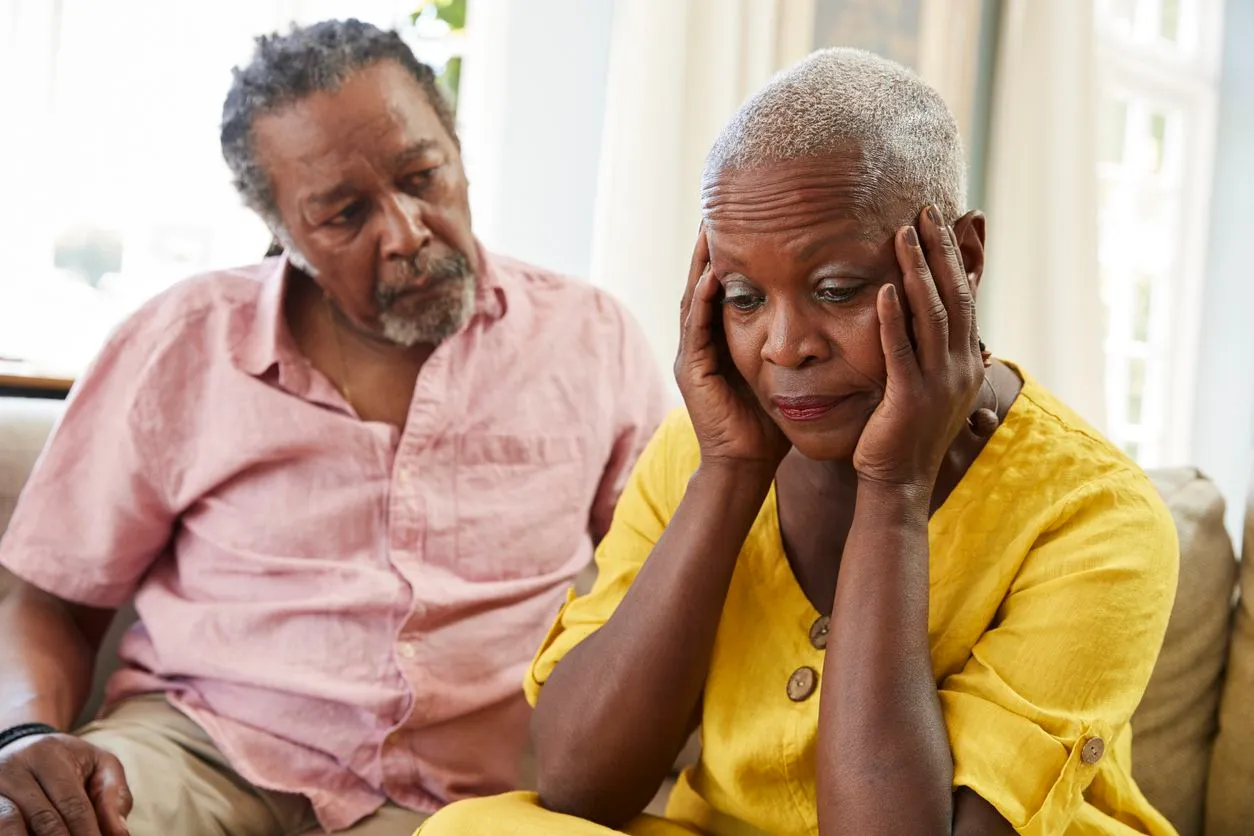
Reasons for Behavioral Changes in the Elderly
mood swings in the elderly may be due to various reasons, including physiological, psychological, social and cultural factors. Physiological factors may include diseases that are usually associated with aging, such as Parkinson’s disease, osteoarthritis, motor disability or cardiovascular diseases. These diseases can reduce the physical ability and even the revelation of the elderly and lead to behavioral changes in them.
Psychological factors personality changes in the elderly may also cause changes in the behavior of the elderly. For example, increased stress and anxiety due to experiencing frightening events, increasing age and concerns about this issue, increased fear of death or loneliness, inability to cope with life changes such as losing a spouse or dear friends.
Social and cultural factors can also cause changes in the behavior of the elderly. These factors include feelings of loneliness due to the loss of a spouse and friends, decreased family support, changes in social roles (such as retirement), or changes in culture and values. Therefore, behavioral changes in the elderly may be due to various reasons, and we must learn appropriate methods to manage it, depending on the cause.
Types of Mood Swings in the Elderly
Types of mood swings in the elderly include:
- Normal mood swings: This type of elderly mood disorder is a brief, transient change in mood that is caused by environmental or physiological conditions. The problem usually resolves with rest, social support, and improved physical condition.
- Mood swings associated with depression: A decrease in mood with feelings of hopelessness, sadness, loss of interest in activities, and low energy that may be accompanied by anxiety, irritability, and negative thoughts.
- Mood swings associated with anxiety and stress: Feelings of worry, fear, and tension that may be accompanied by physical symptoms such as heart palpitations and sweating.
- Mood swings in bipolar disorder: Alternating periods of high mood (mania or hypomania) and low mood (depression). This disorder is less common in the elderly but can also occur in these people.
The Impact of Mood Swings on the Health of the Elderly
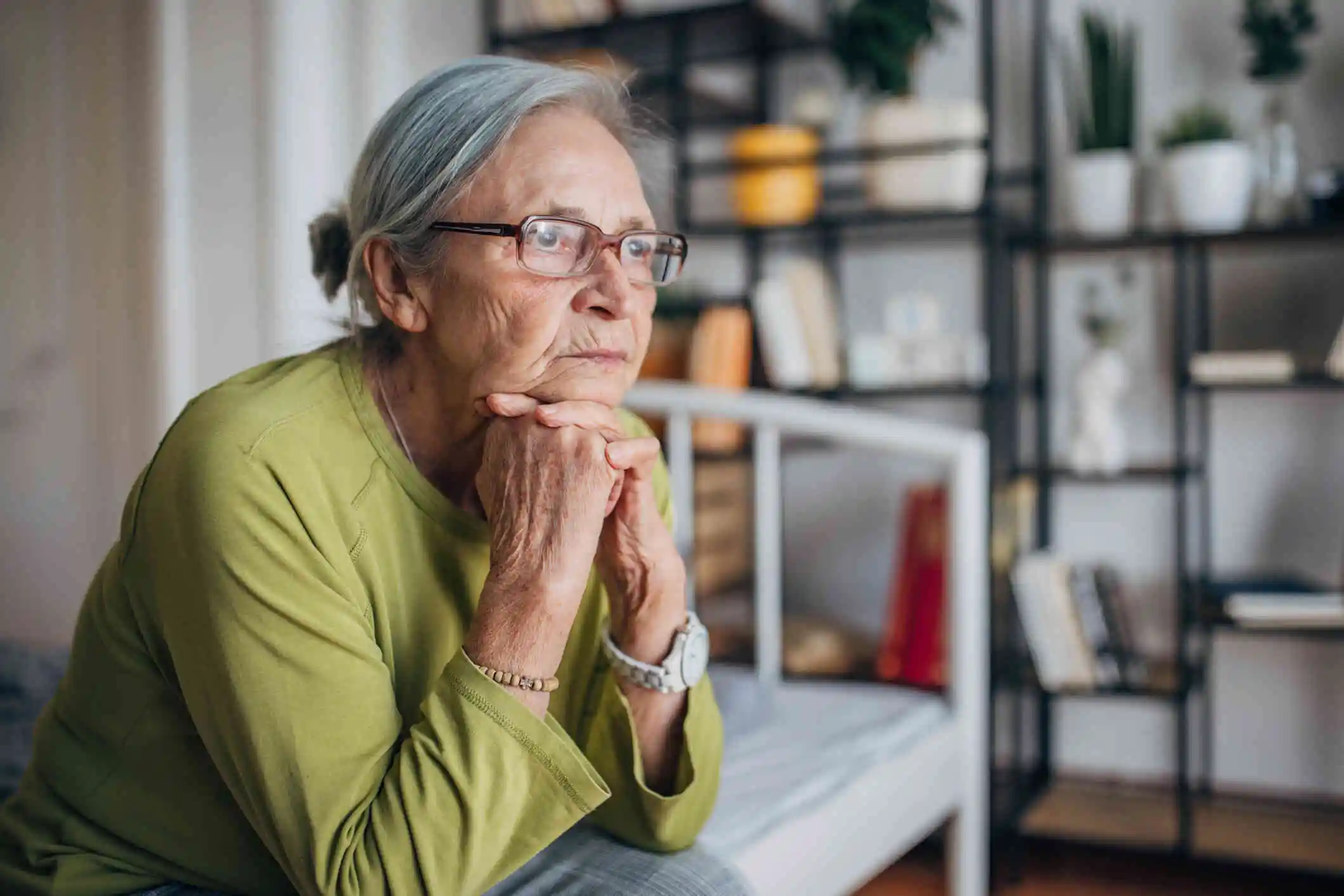
mood swings in the elderly can have a huge impact on the quality of life of these people. For example, anger is one of the mood changes in the elderly. For managing anxiety in seniors, you must learn specific methods and make sure that the elderly person is under the supervision of a specialist doctor. The most important effects of mood swings on the lives of the elderly include:
- Reduced quality of life and satisfaction with life
- Creating or exacerbating physical problems such as high blood pressure and heart disease
- Disturbed sleep and nutrition
- Reduced ability to perform daily activities and take care of yourself
- Increased risk of severe depression and suicide
- Negative impact on family and social relationships
How to Diagnose Mood Swings in the Elderly?
There are several different methods to diagnose mood swings in the elderly. We will introduce these methods below.
Clinical interview by a doctor
- A detailed review of medical, psychological and social history
- Assessment of the severity, duration and frequency of mood swings
- Question about accompanying symptoms such as anxiety, fatigue, sleep and feeding problems
Use of standardized tools
- Self-report questionnaires such as the Geriatric Depression Scale (GDS)
- Cognitive assessment and daily functioning
Investigation of physical factors
- Necessary tests to rule out medical problems that may cause mood swings (such as thyroid problems, vitamin deficiencies)
Strategies for Managing and Treating Mood Swings in Older Adults
There are several different methods for treating and managing mood swings in the elderly. With the help of the methods we introduce below, you can manage and treat mood swings in the elderly.
Drug therapy
- Use of antidepressants, mood stabilizers, and anti-anxiety medications under the supervision of a doctor
- Pay attention to drug interactions and side effects, especially in the elderly
Psychotherapy
- Cognitive-behavioral therapy (CBT): Training in managing negative thoughts and feelings and increasing coping skills.
- Supportive psychotherapy: Providing emotional support and promoting psychological capabilities.
- Group therapy: Increasing social support and reducing the individual’s isolation.
Lifestyle changes
- Increase physical activity and regular exercise
- Maintain social relationships and participate in group activities
- Create regular routines for sleep and nutrition
- Practice relaxation techniques such as meditation and deep breathing
Social and family supports
- Educate families to better understand mood swings in old age and how to support the elderly.
- Create a safe and supportive environment at home and in the community.
Some Tips to Help Cope with Mood Swings in the Elderly
The most important tips to follow when dealing with mood swings in the elderly include the following:
- Create a supportive and understanding environment. Treat the elderly with respect and kindness. Listen carefully to what they say and validate their feelings.
- Help the elderly participate in activities they enjoy, such as spending time with loved ones, taking walks, reading, or doing hobbies.
- Create a regular schedule for the elderly to feel stable and secure.
- Make sure the elderly is eating and sleeping enough. A healthy diet and getting enough sleep can help improve mood.
- Seek professional help if needed. A therapist or counselor can help the elderly learn how to manage their symptoms.
- Remember that you are not alone. Many people care for seniors with mood swings.
Concluding Remarks
In general, mood swings in the elderly are a common and multifaceted phenomenon that can affect various aspects of life. Understanding the causes and symptoms, accurate diagnosis, and the use of appropriate pharmacological and psychological treatments, along with social support, can help improve the quality of life of the elderly. Given the growing trend of population aging, special attention to the mental health of this age group should be considered a priority in health policies and services.
Thank you for following this article so far. If you also have information or experience in this field, please share it with us and other users.

Frequently Asked Questions
Why Do Some Seniors Become Moody as they Age?
Aging can cause a decrease in energy, chronic illnesses, and mobility limitations, which can gradually cause seniors to become irritable and moody.
What Effect Does Loneliness Have on the Morals of Seniors?
Feelings of loneliness and lack of attention can cause depression, hypersensitivity, and verbal aggression in seniors.
What is the Effect of Mental Illness on the Morals of Seniors?
Illnesses such as depression, anxiety, and dementia can cause significant behavioral and moral changes.
Why Do the Elderly Suffer More Easily?
High emotional sensitivity, memories of the past, and reduced stress tolerance cause the elderly to become upset more quickly.
Does Fear of Death or Illness Change the Behavior of the Elderly?
Yes, worrying about the future, illness, or death can increase psychological stress and bad behavior.