


Behavioral and personality changes in elderly may occur due to a variety of factors, including aging, disease, and physical and mental limitations. If behavioral problems in older adults disrupt their quality of life and pose risks to their physical and mental health, it is necessary to control these behavioral changes. Some of these common behavioral changes in older adults include increased fatigue, decreased physical activity, decreased desire to be more social, decreased appetite, increased anger and anxiety, and decreased cognitive function.
Many of us view older adults as people who have changed only physically, but the reality is that aging also affects our minds and emotions. While many psychological studies focus more on childhood and adolescence, geriatric psychology examines the challenges and psychological changes associated with aging and also offers strategies for improving the quality of life in old age. In this article from humanhealthmag, we want to discuss what changes aging brings to people’s minds and psyches, how these changes can be managed, and how seniors can have a better quality of life.
How Does Aging Affect Personality?
Regardless of a person’s age, some personality traits change, and exactly how personality changes in elderly occur is almost unpredictable. In fact, one of the main changes of aging is personality and behavioral changes. Psychologists study this by observing groups of people of the same age and comparing their traits at different points in their lives.
They also compare the personality traits of people of different ages, which is much simpler and faster than the previous method. Fortunately, these two approaches paint a roughly similar picture of how personality changes with age. Of course, it should be noted that not all older people change in the same way. Consider, for example, people’s height growth; they grow at different heights and at different speeds, but most will follow a roughly similar growth pattern. But the development of personality traits is very different, some of which we will mention below:
- Growth does not stop in adulthood, changes can always occur.
- There is no single path to change, personality traits can get better or worse with age.
- According to research, many stereotypes are incorrect; for example, nationality hardly makes a difference in personality. But people’s beliefs that age changes personality traits cannot be completely rejected.
For example, many believe that people become kinder, more sociable and more conscientious as they age. In terms of the Big Five personality traits, changes that occur in adults’ adaptability, conscientiousness and emotional stability over time are more common and are due to personality maturation.
Causes of Behavioral and Personality Changes in Elderly
Why do older people’s personalities change? Personality changes in elderly may be due to various reasons, including physiological, psychological, social, and cultural factors. In fact, the challenges of aging are many, and behavioral changes are one of them. Among them, physiological factors may include diseases that are usually associated with aging, such as Parkinson’s disease, osteoarthritis, motor disability, or cardiovascular diseases. These diseases can reduce the physical and even motor ability of the elderly and lead to behavioral changes in them.
Psychological factors may also cause changes in the behavior of the elderly. For example, increased stress and anxiety due to experiencing frightening events, increasing age and concerns about this issue, increased fear of death or loneliness, inability to cope with life changes such as losing a spouse or dear friends.
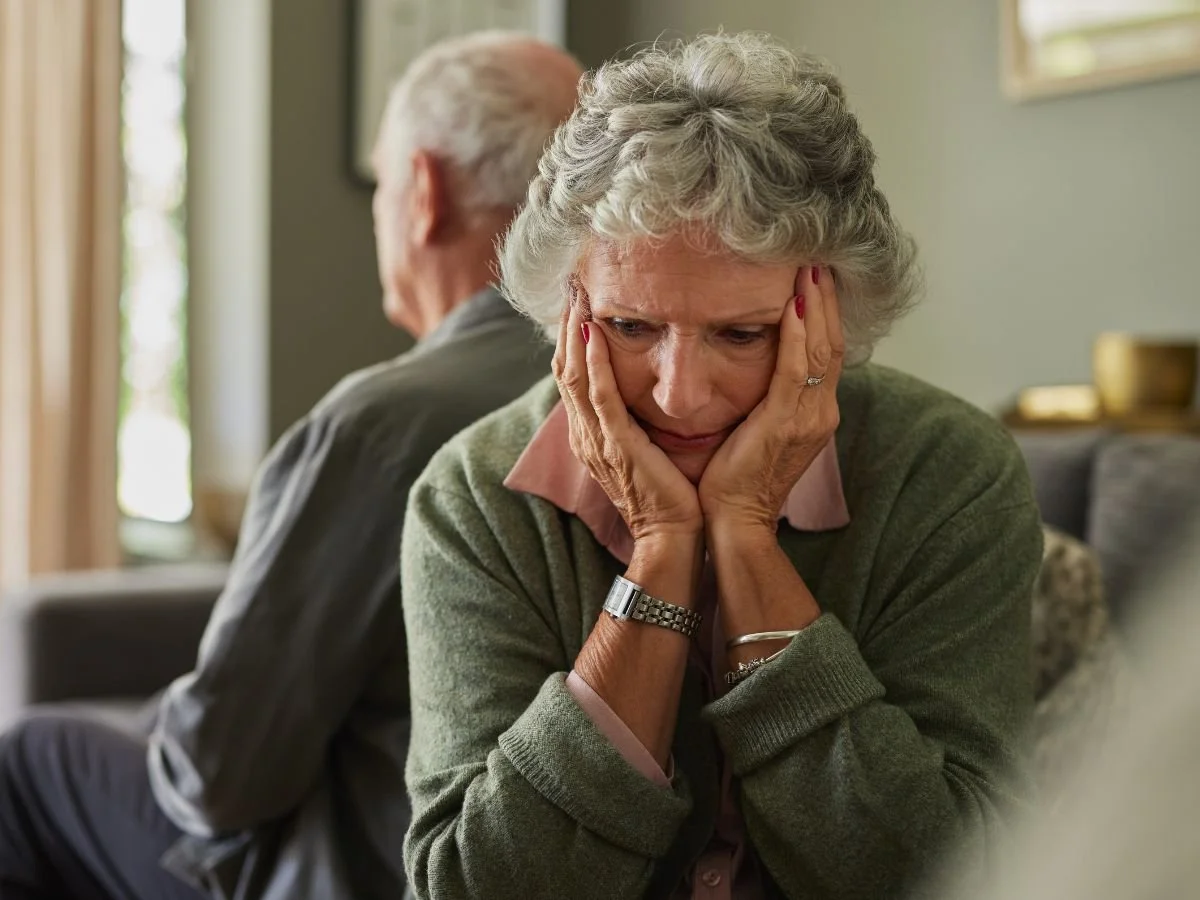
Social and cultural factors can also cause changes in the personality and behavior of the elderly. These factors include feelings of loneliness due to the loss of a spouse and friends, decreased family support, changes in social roles (such as retirement), or changes in culture and values. Therefore, behavioral changes in the elderly may be due to various reasons, and we should consider appropriate ways to manage them depending on the cause.
Different Theories About Aging
There are several theories that explain psychological, emotional, and sudden personality changes in elderly, including:
- Disengagement Theory
This theory states that as time passes and in old age, people naturally withdraw from their social and emotional roles. This process is considered a natural movement to smoothly transition to the next stages of life. This can be causes of anger in the elderly
- Activity Theory
Unlike the disengagement theory, this theory believes that continuing social and physical activities in old age increases the quality of life and psychological well-being.
- Continuity Theory
According to this theory, older people usually continue to maintain their behaviors, relationships, and activities from previous stages of life. Maintaining a sense of self and personal identity leads to emotional and psychological stability.
- Socioemotional Selectivity Theory
Socioemotional selectivity theory emphasizes the changes in social priorities of individuals during old age. According to this theory, as time becomes limited, older adults tend to choose more meaningful relationships and valuable experiences over more superficial and expansive relationships.
Strategies to Control Personality Changes in Elderly
Controlling personality changes in elderly parents can be discussed as one of the most important physical and mental health challenges in the elderly. Some of the strategies that can be adopted to control behavioral and personality changes in the elderly and the correct way to care for the elderly include:
- Awareness of physiological changes: The elderly will face natural physiological changes as they age. For example, decreased vision and hearing or memory loss. To control these changes, we must have the necessary awareness of them.
- Regular physical activity: Regular and daily physical activity can help reduce personality and behavioral changes in the elderly. Physical activity includes resistance training as well as slow physical activities such as walking and cycling.
- Proper nutrition: Proper nutrition reduces the risk of chronic diseases such as diabetes, cardiovascular and cerebrovascular diseases, cancer, and eye and hearing diseases. To control personality changes in the elderly, they should consume healthy foods regularly.
- Mental stimulation: Mental stimulation, including problem solving, reading, and playing chess and puzzles, can improve personality changes in the elderly.
- Social connections: Having more social connections prevents loneliness and depression in the elderly. Activities in social associations and groups, nursing homes, visiting family and friends, and participating in public activities are among the strategies that can help control personality and behavioral changes in the elderly.
- Therapeutic accompaniment: This includes meetings with doctors, medical technicians, psychological counselors, and geriatric nurses who can help diagnose and treat mental illnesses and problems in the elderly.
- Social support: Support from family, friends, and those around the elderly can improve their mental and personality status. Sometimes seniors, especially those with Alzheimer’s, want to increase this support by going to a senior center and being among people their own age.
- Technological support: The use of various technologies such as television, computers, and mobile phones helps reduce the loneliness of seniors and helps them stay connected to the world outside their home.

How to Deal with the Personality Changes in Seniors
As we said, personality changes in older adults may have various reasons, so dealing with them correctly requires consideration and attention to their specific circumstances. To deal correctly with the elderly when behavioral changes occur, we can follow these tips:
Understanding the problem
First of all, we must correctly understand the problem that the elderly is struggling with and then come to an appropriate solution.
Preserving the privacy of the elderly
When dealing with the elderly, we should carefully maintain their privacy and avoid any interference in their personal lives.
Listening to the elderly
Sometimes, the elderly cannot correctly express what their problem is due to behavioral changes. In these situations, it is better to take the time to listen to what they say.
Showing appreciation and respect
Always treat the elderly with respect, love, and appreciation. This can improve the process of personality and behavioral changes.
Providing information
Sometimes the elderly feel uncomfortable due to not having enough information about the new situation. In these situations, by providing them with complete and accurate information, we can improve the process of personality changes.
Encouraging activity
Small activities such as playing, reading, etc. can help the recovery process.
Tolerance
The elderly may have less tolerance and patience towards the world around them in some cases. Therefore, it is better to always treat them with patience and patience when caring for the elderly.
Showing affection and feelings
The elderly may feel lonely due to old age and the absence of their children. Therefore, by showing them affection, respect, and positive feelings, we can improve the process of personality and behavioral changes.
Concluding Remarks
Although aging is associated with personality changes in older adults and challenges, it also provides opportunities for growth, resilience, and satisfaction. By studying aspects of aging psychology and the topics mentioned above, the quality of life and psychological well-being of older adults can be improved and they can be helped to live meaningful and participatory lives.
Thank you for following this article so far. If you also have information or experience in this field, please share it with us and other users.

Frequently Asked Questions
How to Control Personality Changes Such as Anger and Irritability in the Elderly?
Try to identify the cause of anger, the aging process is not easy, for elderly people who live with chronic pain and have lost many friends, it is normal to get angry. Also, Alzheimer’s disease, which causes dementia, causes the patient to not have full control over his words, behavior and personality. By knowing the cause of personality and behavior changes, you can find a solution to control it.
Why Do Some Seniors Get Depressed?
Depression in seniors can have many causes, including the loss of loved ones, declining physical abilities, retirement, isolation, and a sense of purposelessness. Age-related biological changes can also contribute to depression.
How Can Feelings of Loneliness and Isolation be Reduced in Seniors?
Creating social opportunities, such as participating in group activities, family reunions, attending educational classes, and using technology to connect with loved ones, can reduce feelings of isolation.