
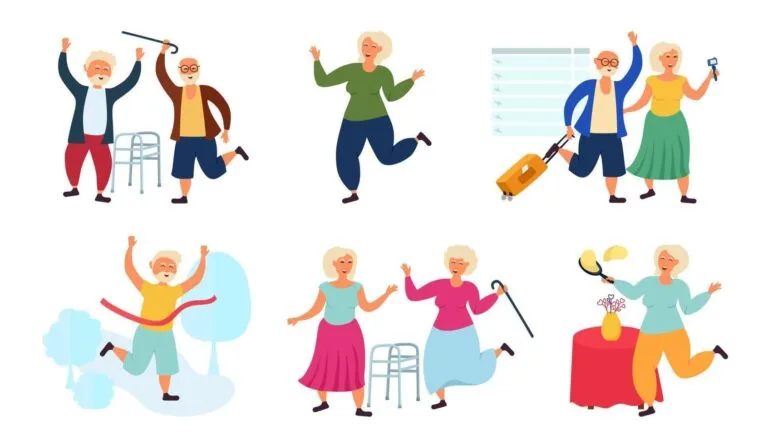

It is very important to be familiar with stress relief activities for seniors. Stress is always with people and is present at all stages of life. It is not possible to prevent the occurrence of stress and eradicate it forever; but there are solutions that you can minimize the consequences and symptoms of stress in the elderly and arrange to have the least reaction when facing stress.
Stress can endanger your mental health and your routine life; Therefore, it is necessary to find solutions to treat stress very soon. Failure to treat stress will overshadow your physical and mental health and reduce your lifespan. In the following article from humanhealthmag, we will explain some effective strategies and activities to control stress.
Symptoms of Stress in the Elderly
Before learning stress relief activities for seniors, you should first familiarize yourself with the symptoms of this problem in the elderly. Anxiety in the elderly may be accompanied by symptoms in the physical, mental and behavioral areas. Recognizing these symptoms helps us to take the necessary measures for stress reduction for the elderly in a timely manner. Below we describe some of these symptoms:
- Sleep disorders: One of the most common symptoms of stress in the elderly is sleep problems. These problems can appear in the form of insomnia, difficulty falling asleep or frequent awakenings at night. Even in cases where the elderly sleep, the quality of sleep is poor and the feeling of fatigue and boredom remains after waking up. Restless sleep may be accompanied by nightmares or worrying thoughts at night.
- Changes in appetite: stress can affect eating patterns. Some seniors may experience a loss of appetite, such that they skip meals or eat very little. This loss of appetite is often accompanied by weight loss. In contrast, others may turn to high-calorie or sugary foods and use food as a coping mechanism to reduce stress, which can lead to weight gain.
- Isolation and reduced social relationships: stress seniors tend to reduce social activities. They may avoid family and friend gatherings or make excuses for not joining them. Reduced phone calls, a reluctance to meet with others, and withdrawal from previously enjoyed activities are common signs of this condition. This isolation can exacerbate feelings of loneliness and depression.
- Persistent worries: Seniors may constantly worry about finances, health, or the future of themselves or their family. These worries are often accompanied by negative thoughts and pessimism about future circumstances. For example, an older person who is worried about their financial situation may repeatedly talk about a lack of financial resources, even when they are not.
- Physical changes: stress can also have physical symptoms. Older people may complain of muscle tension, chronic aches, or physical discomfort. These problems can include headaches, stomachaches, or heart palpitations. Persistent fatigue is also a common symptom, such that the older person does not feel energetic even with adequate rest.
- Emotional swings: stress older people often experience rapid changes in emotional states. They may become angry quickly or experience feelings such as fear, worry, or hopelessness repeatedly. These emotional swings can negatively affect their relationships with others and make social interactions more difficult.
- Cognitive problems: stress can affect cognitive function. Older adults may have trouble concentrating or forget important details. These problems may manifest as difficulty making decisions, forgetting names or everyday details, and getting lost in simple tasks.

Different Types of Stress in the Elderly and Their Characteristics
Stress and anxiety in the elderly can be divided into different types, each of which has its own characteristics and symptoms. By understanding the types, the best stress relief activities for seniors can be chosen. Below we will examine the most important types of stress in this age group:
Generalized Anxiety Disorder (GAD)
- Feelings of tension and restlessness
- Trouble sleeping and concentrating
- Constant and uncontrollable worry about everyday issues
- Various concerns such as health, financial issues and social relationships
Social Stress
- Fear of being judged or criticized in social situations
- Feeling embarrassed and worried about social interactions
- Avoiding social or family events
- Worry about behavior and appearance in public
Panic Disorder
- Feeling of insecurity and danger during attacks
- Panic attacks and stress that are accompanied by intense fear
- Physical symptoms such as shortness of breath, palpitations and sweating
- Fear of repeated attacks that may cause avoidance of places or activities
Health Stress
- Fear of being diagnosed with serious illnesses
- Excessive worry about illnesses and health problems
- Searching for symptoms of illness and frequent visits to doctors
- Excessive attention to physical sensations and negative thoughts about health
Separation Stress
- Intensification of anxiety and Stress when traveling or being separated from family
- Extreme fear of separation from family members or loved ones
- Feeling lonely and insecure in the absence of others
- Constant need for support and companionship from others
Dementia-Related Stress
- Fear of forgetting loved ones or familiar environments
- Worry and fear of cognitive problems and forgetfulness
- Feeling confused and unable to understand the surroundings
- Along with mood and behavioral changes
Post-traumatic stress disorder (PTSD)
- Recurrent memories and nightmares related to traumatic experiences
- Irritability and anxiety when faced with reminders
- Avoidance of places or situations associated with the experience
- Feeling lonely and isolated following a traumatic experience
Types of stress in the elderly may manifest differently and require careful diagnosis and treatment. Managing anxiety and stress in this age group can include therapeutic methods such as counseling, medication, and social support.

Best Stress Relief Activities for Seniors
What activities are good for seniors with anxiety? Stress and anxiety management involves a variety of methods that help reduce stress and improve mental health. Here are some simple stress-relieving activities for older adults:
Breathing exercises
Breathing exercises are powerful tools for managing stress and anxiety. Breathing exercises, such as deep breathing and diaphragmatic breathing, help reduce stress immediately. They help lower your heart rate, lower your blood pressure, and create a sense of calm in your body. Breathing deeply through your nose and out through your mouth, along with focusing on your breathing, can activate the parasympathetic nervous system, which helps reduce stress responses.
Meditation
Meditation, especially focused meditation and mindfulness, can help improve awareness and reduce chronic stress. During meditation, you focus on the present moment and accept your thoughts and feelings without judgment. This process can help reduce negative thoughts and persistent worries, and improve focus and mental peace. Research has shown that regular meditation can reduce levels of cortisol, the stress hormone, and improve mental and emotional health. In general, breathing exercises and meditation help to better manage stress and anxiety by reducing physical and mental tension.
Exercise
Exercise and physical activity are effective tools for managing stress and anxiety. Regular exercise and physical activities such as walking, running, swimming, yoga, and resistance training can help reduce stress levels in a variety of ways. Stress Management Methods for Seniors These activities release feel-good hormones such as endorphins, which improve mood and increase feelings of well-being and relaxation. Regular exercise can also reduce blood pressure, muscle tension, and improve sleep regulation, all of which are crucial for stress management.
Other Physical Activity
Physical activities such as walking and gardening help you focus on your body and get out of your daily routine. This takes your mind off the worries and stresses of the day and instead focuses on the physical activity and the repetition of the movements. As a result, these activities can provide improved mental state and cognitive function, and in the long term, help improve overall quality of life.
Recreation and Entertainment
Recreation and entertainment play an important role in managing stress and anxiety. These activities give people a chance to get away from the pressures of everyday life and occupy their minds with things that are enjoyable and relaxing. Engaging in fun activities such as reading a book, listening to music, painting, gardening, or participating in a favorite sport can temporarily distract the mind from problems and cause the production of feel-good hormones such as endorphins. These hormones help improve mood and reduce negative emotions.
In addition, hobbies can help create a sense of achievement and satisfaction. When a person succeeds in or enjoys a fun activity, they feel a sense of accomplishment. This sense of achievement and satisfaction can increase self-confidence and give a person a greater sense of control over their life. In this way, recreation and entertainment not only help reduce stress and anxiety, but also lead to an overall improvement in quality of life and increased optimism and life satisfaction.
Take a Yoga Class
Yoga has become a popular and effective stress-reducing exercise among all age groups. While yoga styles vary, most share a common goal: to connect the body and mind. Among the various exercises, yoga is the crown jewel of stress-reducing exercises. This exercise has a huge impact on reducing stress by regulating various neural and mental pathways. Yoga helps reduce stress and anxiety by reducing cortisol levels, blood pressure, and heart rate, and increasing gamma-aminobutyric acid (GABA).
How to Treat Seniors with Stress
In addition to stress relief activities for seniors, how others treat seniors with stress can play an important role in reducing this situation. Below, we present some effective ways to help seniors cope with stress:
- Empathy, patience, and support: The treatment of those around them should be accompanied by empathy and support so that the senior feels safe.
- Physical and emotional presence: Sitting next to the senior and showing support can reduce feelings of loneliness and anxiety.
- Active listening: The senior should freely express his feelings, and those around him should validate and listen to these feelings.
- Creating a safe and calm environment: A tension-free space with few stressors helps the senior feel more stable.
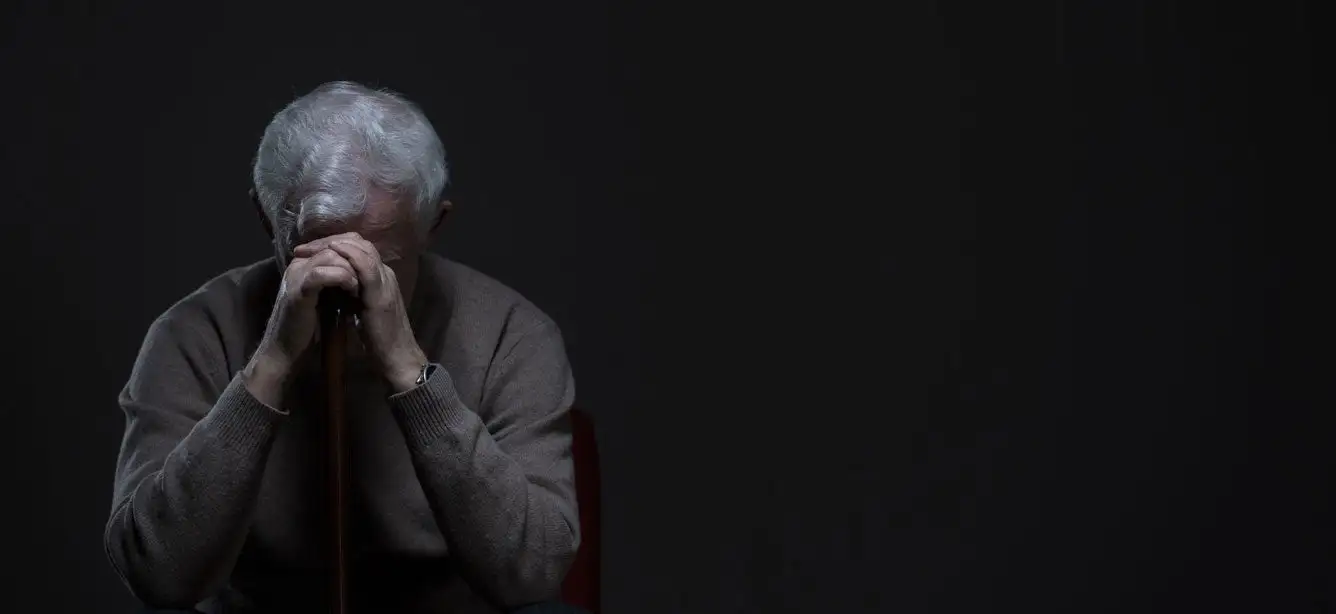
- Supporting professional treatment: If professional treatment is needed, those around him should encourage the senior to seek counseling and accompany him to sessions.
- Education and awareness: Give the senior information about anxiety and coping techniques such as deep breathing so that he has more control over his situation.
- Encourage positive activities: Encourage the elderly person to participate in social and recreational activities to reduce anxiety and create a greater sense of belonging.
- Patience and understanding: Stress may take time to heal. Those around them should pay attention to the elderly person’s behavioral changes and give them time to cope with their feelings.
The Role of Stress Relief Activities for Seniors
Stress relief activities for seniors can help reduce stress in seniors and improve their quality of life. These activities give seniors a sense of purpose and make them feel involved in life. Activities such as walking or tending to flowers can reduce stress. Also, participating in social activities and connecting with others strengthens the sense of belonging and support in seniors. Also, exercise and walking secrete happy hormones and increase feelings of peace.
Activities such as gardening or painting help seniors distance themselves from worrying thoughts and focus. Learning new skills also increases their self-confidence. Having a regular daily schedule gives seniors a sense of stability and security, which helps reduce stress and anxiety. In general, daily activities help seniors cope better with their stress and live happier lives.
Concluding Remarks
Using stress relief activities for seniors can have many benefits in controlling this problem. In fact, stress in the elderly is a common and complex problem that can have many negative effects on their quality of life. Factors such as physical changes, loneliness, and loss of loved ones can cause stress in this age group.
In order to manage stress in the elderly, in addition to performing stress-reducing activities, a comprehensive and personalized approach is needed that includes drug treatments, psychotherapy, and social support. Greater awareness of families and society about this issue can help the elderly to better cope with their stress and anxiety and have a higher quality of life. Ultimately, paying attention to the mental health of the elderly will not only help them, but will also have a positive impact on their families and society.
Thank you for following this article so far. If you also have information or experience in this field, please share it with us and other users.

Frequently Asked Questions
Is Stress in the Elderly Related to Physical Causes?
Chronic diseases, medication side effects, hormonal changes, sleep problems, and decreased cognitive abilities can lead to increased stress. Also, feelings of loneliness and isolation also play an important role in the occurrence of stress. Paying attention to these factors in treating stress in the elderly is essential.
What Is the Role of the Family in Reducing Stress in the Elderly?
The role of the family in reducing stress in the elderly is important and includes emotional support, communication, encouraging social activities, increasing awareness of stress and anxiety, and helping to manage treatment. These factors can enhance the sense of security and peace in the elderly.
Is Exercise Beneficial for the Elderly with Stress?
Exercise helps reduce stress, improve sleep, increase self-confidence, facilitate social communication, and reduce muscle tension. These factors help improve the mental and physical health of the elderly.
How Does Stress in the Elderly Affect Their Quality of Life?
Stress in the elderly can reduce their quality of life. These effects include decreased physical health, decreased social interaction, sleep disturbance, decreased concentration, and increased feelings of hopelessness and depression.
How can Stress be Prevented in the Elderly?
Regular physical activity and social interaction are important for preventing stress in the elderly. Stress management and treatment adherence are also effective.