
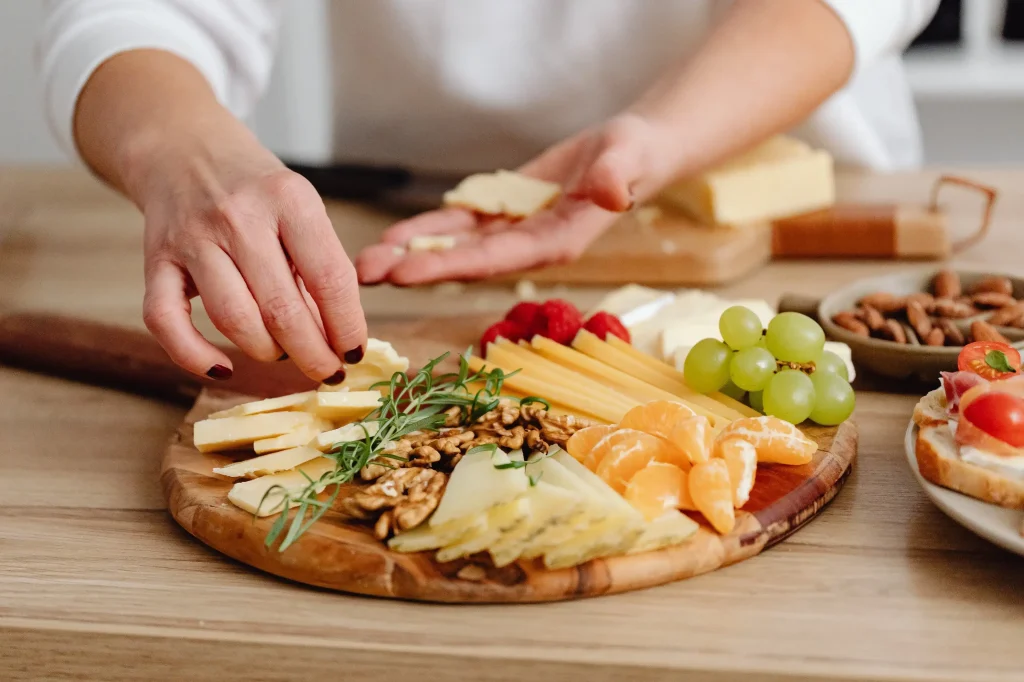

As we age, maintaining good nutrition becomes essential not only for physical health but also for preserving cognitive function and overall well-being. Finger foods for Parkinson’s, finger foods for elderly, and foods for dementia patients all share a common purpose: they’re designed to make eating simpler, safer, and more enjoyable when traditional utensils become difficult to use. This approach can dramatically improve independence and dignity for those living with cognitive decline or degenerative motor conditions.
What foods are easy for dementia patients to eat? When we talk about finger foods for dementia patients in this article from humanhealthmag, we mean food items that can be easily picked up and eaten without the need for forks, knives, or spoons. These foods are soft enough to chew safely, nutritious enough to support brain and body health, and appealing enough to encourage reluctant eaters to take interest in meals again.
Challenges: Dementia and Eating Difficulties
Dementia affects memory, coordination, and sensory processing. Over time, even simple tasks such as eating can become confusing or frustrating. Some people forget how to use cutlery, while others lose interest in food altogether. Appetite changes, difficulty swallowing (dysphagia), or a loss of sense of taste can also lead to weight loss and malnutrition.
This is where finger foods for dementia patients who won’t eat play an important role. When a patient stops eating regular meals, finger foods provide a practical bridge — smaller, manageable bites that are easier to recognize and consume. These foods are particularly useful during “wandering” or restless behaviors, allowing patients to eat while moving, which can help maintain nutrition throughout the day.
Why are Finger Foods Important for Dementia Patients
There are several reasons finger foods work so well for dementia and Parkinson’s patients:
- Simplicity and Familiarity: Eating with the hands is a natural, intuitive action that doesn’t require cognitive processing. It reduces frustration and restores confidence.
- Encourages Independence: Even when coordination or memory decline, patients can often feed themselves longer.
- Social Inclusion: Meals become more relaxed and inclusive when a patient can eat comfortably at the table without needing constant assistance.
- Improved Nutrition: Frequent mini meals or snacks made of finger foods can prevent nutritional deficiencies when full meals are no longer consumed.
When tailored to individual dietary needs, finger foods for elderly people offer a compassionate way to preserve agency, safety, and satisfaction in eating.
Key Principles of Finger Foods for Dementia Patients Who Won’t Eat
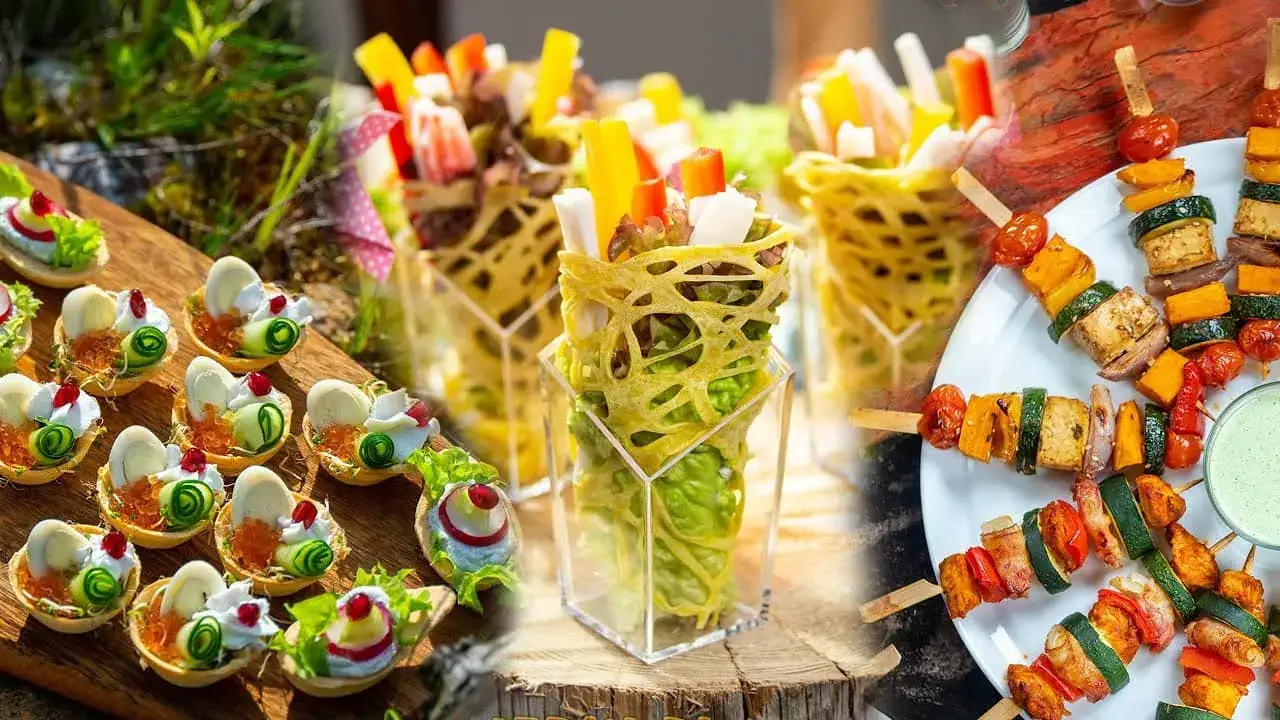
Presentation of finger foods for dementia patients matters. Colorful plates, clear contrasts between food and dishware, and bite-sized displays attract attention. You can serve finger foods for dementia patients who won’t eat on a divided tray, offering visual cues to guide focus. Eating should feel comforting, not forced. Small victories like finishing a snack or nibbling on fruit should be celebrated.
- Soft and Safe Texture: Avoid hard, crunchy, or dry foods that can pose a choking risk. Opt for moist, tender items like soft fruits, scrambled eggs, or small sandwiches.
- Nutrient Density: Include high-protein and high-calorie ingredients to ensure nutrition even in small portions (e.g., cheese cubes, nut butters, avocados).
- Appetizing Colors and Aromas: Brightly colored foods, such as sliced fruit or vegetable bites, are easier to see and often stimulate appetite. Soup, fresh bread, or baked fruit can awaken interest even before the first bite.
- Small Portions: Large servings may overwhelm; smaller bites encourage nibbling and frequent snacking.
- Easy Handling: Foods should hold their shape and not crumble or drip excessively.
Other examples of enhancing the mealtime experience are:
- Use plates with raised edges to prevent sliding.
- Offer one food type at a time to avoid confusion.
- Keep utensils available, but optional, so patients can switch freely.
Finger Foods for Dementia Patients: Breakfast Ideas
Morning meals can set the tone for the day. When utensils become a barrier, offering soft, handheld items helps patients eat independently and start their day with adequate energy.
- Mini banana pancakes or French toast sticks
- Hard-boiled eggs (sliced in halves or quarters)
- Mini muffins made with oats, fruit, or bran
- Fruit slices such as pear, peach, or melon
- Toast strips with butter, cream cheese, or peanut butter
To help encourage eating, offer warm, comforting aromas — cinnamon, vanilla, or baked goods often stimulate appetite. Patients who resist breakfast may respond better to a finger-friendly brunch plate with appealing textures and colors.
Midday Nourishment: Lunch and Snacks
For lunch, variety helps keep interest high. Finger foods for dementia patients who won’t eat can include combinations of familiar favorites and bite-sized versions of regular meals:
- Chicken or tuna salad on crackers or in small lettuce cups
- Bite-sized sandwiches (for example, turkey and cheese triangles)
- Mini quesadillas or tortilla pinwheels
- Small meatballs with mild seasoning
- Cheddar cubes, cucumber rounds, or cherry tomatoes (halved for safety)
Adding dips such as hummus, yogurt, or guacamole encourages self-feeding through sensory cues — texture, color, and interactive eating. For snacks, consider these:
- Mixed berries in a small bowl
- Cheese and whole-grain crackers
- Mini banana bread bites or oat bars
- Vegetable sticks (soft-cooked carrots or celery)
- Yogurt-covered fruit pieces
Snacking throughout the day helps maintain calorie intake and supports blood sugar balance — crucial for mood and energy stability.
Dinner Choices: Keeping It Easy and Appealing
By evening, energy and coordination may decline, so dinner foods should be simple and comforting. Focus on finger foods for elderly that are hearty but easy to swallow.
- Bite-sized fish fillets or soft minced chicken fingers
- Mashed potato balls coated in light breadcrumbs
- Steamed vegetables cut into chunks
- Soft casseroles baked into muffin cups
- Small pasta shells or bite-size lasagna squares
If appetite wanes, gently season meals with herbs instead of salt to heighten flavor. Serving familiar family-style dishes in smaller, hand-held portions can minimize confusion and spark recognition.
Finger Foods for Dementia Patients: Dessert and Comfort Food Ideas
Sweet tastes usually remain appealing even late in dementia progression. Desserts can therefore play a dual role — comforting the patient emotionally and contributing calories when other foods are refused.
- Fruit cubes dipped in yogurt or chocolate
- Mini cheesecakes or soft cookies
- Pudding cups with soft spoons or thick texture for fingers
- Rice pudding or mashed sweet potatoes served in small portions
If a patient resists all other meals, offering nutritious dessert-type finger foods (like oatmeal cookies with nuts and fruits) can be an excellent strategy.
Hydration and Finger Foods
Beyond solid meals, hydration is an overlooked problem among dementia sufferers. Patients may forget to drink or avoid liquids due to difficulty swallowing. Integrating fluids into finger foods ensures better hydration without added effort. Options include
- Watermelon chunks or orange slice
- Gelatin cubes or fruit jelly bites
- Yogurt popsicles or frozen smoothie
- Soups thickened to safe consistency and served in mugs
Hydrating foods are particularly valuable for dementia patients who won’t eat, as dehydration can worsen confusion, fatigue, and irritability.
Example One-Day Finger Food Meal Plan
A flexible plan such following meal plan can adapt daily based on appetite and swallowing ability, offering patients both autonomy and variety.
| Meal | Options | Notes |
| Breakfast | Mini banana pancakes, sliced boiled eggs, toast strips | Warm and sweet aromas stimulate appetite |
| Snack | Soft fruit cubes (melon, peach), yogurt dips | Moisture helps hydration |
| Lunch | Chicken salad bites, cheese cubes, soft vegetables | Balanced protein and fiber |
| Afternoon Snack | Oat bars, banana halves, mini muffins | Sustaining energy through the day |
| Dinner | Bite-size meatballs, mashed potato balls, steamed carrots | Comfort food textures and colors |
| Dessert | Pudding cups, yogurt parfaits, soft cookies | Encourage pleasure and additional calories |
Safety Considerations
When preparing finger foods for elderly or cognitively impaired individuals, safety should be the top priority:
- Watch for Choking Hazards: Avoid nuts, raw vegetables, dry crackers, and sticky candies.
- Adjust Food Sizes: Bite-sized pieces should be small enough to chew and swallow easily.
- Monitor Temperature: Ensure foods aren’t too hot, as sensitivity may decline.
- Avoid Distractions: Eating while walking or watching TV may increase choking risk; supervised casual snacking works best.
If you have swallowing problems (dysphagia), a speech therapist or dietitian can recommend suitable food textures.

Caregiver Tips and Emotional Support
Caregivers often face the painful reality of food refusal. Finger foods for dementia patients who won’t eat can help bridge the gap between refusal and acceptance by reintroducing enjoyment through easy handling and visual appeal.
Feeding a loved one with dementia is as emotional as it is practical. Patience and empathy go a long way. Finger foods reduce stress for both caregiver and patient by transforming meals into easy, judgment-free moments. If you face resistance, remember:
- It’s normal for preferences to fluctuate; what works one week may change the next.
- Encourage shared meals, because social eating boosts appetite.
- Keep trying new finger foods for dementia patients who won’t eat, even in different shapes or presentations.
- Instead of a full plate, offer two or three small options on a snack tray. Let the patient choose what appeals most.
- Soft lighting, familiar music, and no background noise can improve focus during eating.
- Comfort foods from childhood or cultural heritage can stir memory and appetite.
- Serve food at times of day when the person is most alert; late mornings or early afternoons may work better than evenings.
- Turn even main dishes into hand-held bites. Instead of pasta in sauce, make baked pasta muffins; instead of a stew, make small filled pastry puffs.
Caregivers should also remember to care for themselves. Meal preparation can be simplified by freezing small batches of finger-friendly snacks or buying pre-cut produce to save time.
Adapting Finger Foods for Dementia Patients for Different Stages of Dementia
As dementia progresses, chewing, swallowing, and recognition abilities decline. Early on, more solid finger foods like sandwiches or grilled chicken chunks may work well. In later stages, soft and moist textures — mashed, pureed, or blended into bite-sized shapes — become safer. Stage-appropriate adaptations include:
- Early stage: Fresh fruit, soft sandwiches, casseroles cut into squares.
- Middle stage: Soft veggies, tender meatballs, mashed sides molded into bites.
- Late stage: Thickened smoothies, soft muffins, moist potato or oatmeal bites.
Adjusting finger foods for dementia patients gradually prevents frustration and reduces choking risk while still promoting independence as long as possible.
Even under challenging circumstances, the goal is not just calorie intake but comfort and dignity. Combining nutrition with enjoyment helps maintain emotional health. You can prepare colorful snack platters using:
- Sliced fruits (grapes cut in halves, tangerine segments)
- Cheese cubes and soft crackers
- Soft mini wraps or roll-ups filled with creamy spreads
- Bite-sized sweet potato fries or vegetable patties
Concluding Remarks
Eating should always remain a pleasurable human experience, a connection to life, culture, and memory. For those struggling with dementia, that joy can fade under frustration and confusion. But with thoughtful preparation of finger foods for dementia patients who won’t eat, caregivers can reignite interest and offer dignity at the table.
These simple, hand-held meals bridge the gap between ability and need. They keep nutrition within reach, reduce dependency, and bring a spark of normalcy back to daily routines. Whether you’re preparing finger foods for Parkinson’s, caring for the elderly, or seeking specific foods for dementia patients, remember that every small bite represents both nourishment and compassion. With patience, creativity, and love, mealtimes can once again become moments of comfort and connection — reminding us that food is not just sustenance but a shared expression of care.
We’re curious to hear your thoughts! What’s your take on this topic? Comment below and join the conversation; your opinion could spark new ideas!

Frequently Asked Questions
What Are the Best Finger Foods for Dementia Patients?
Finger foods for dementia patients include nutrient-dense options like cheese cubes, soft fruit slices (bananas, melon), mini muffins, chicken nuggets, and mashed potato balls. These items are soft, easy to grasp, and reduce choking risks while providing protein, fiber, and hydration.
Why Do Finger Foods Help Patients Who Won’t Eat?
Finger foods for dementia patients who won’t eat increase food acceptance by allowing self-feeding without utensils, which restores dignity and reduces frustration. They support higher calorie intake through portable snacks like granola bars or egg bites, ideal for restless or wandering individuals.
What Safety Tips Apply to Finger Foods for Elderly?
Cut foods into small, soft pieces to avoid choking—halve grapes, cook vegetables tender, and skip hard items like raw carrots. For finger foods for elderly, monitor temperatures and textures, opting for moist options like steamed veggies or cheese sticks.