


Getting older can be scary. Graying hair, the appearance of wrinkles, forgetting names and addresses, and the occurrence of numerous diseases and physical problems all create numerous challenges of aging. Aging can bring many problems and issues. As we get older, we hope our lives become easier. We envision retirement as a time in our lives when we can finally relax. While retirement and freedom from the hustle and bustle of everyday life can be some of the best years of our lives, there are always concerns for seniors.
With seniors making up 12 percent of the world’s population and rapidly increasing to over 22 percent by 2050, it is important to understand the challenges that older adults face. It is also important to identify preventive measures that can help prevent these challenges and problems from occurring. For this reason, home care services for the elderly solve their challenges by carefully monitoring and caring for their lifestyle. Below, in this article from humanhealthmag, we will discuss the challenges of human population ageing.
What Are the Challenges of Aging Population?
We are living much longer thanks to improved living conditions and healthcare. While reaching old age is something to be thankful for, in many ways, there are numerous challenges facing the elderly that we all need to pay more attention to. We often don’t think about these challenges of aging until we ourselves start to age or see a loved one struggling, but we can do more to make life easier for our aging population. What are the challenges of ageing?
Dealing with Multiple Chronic Conditions
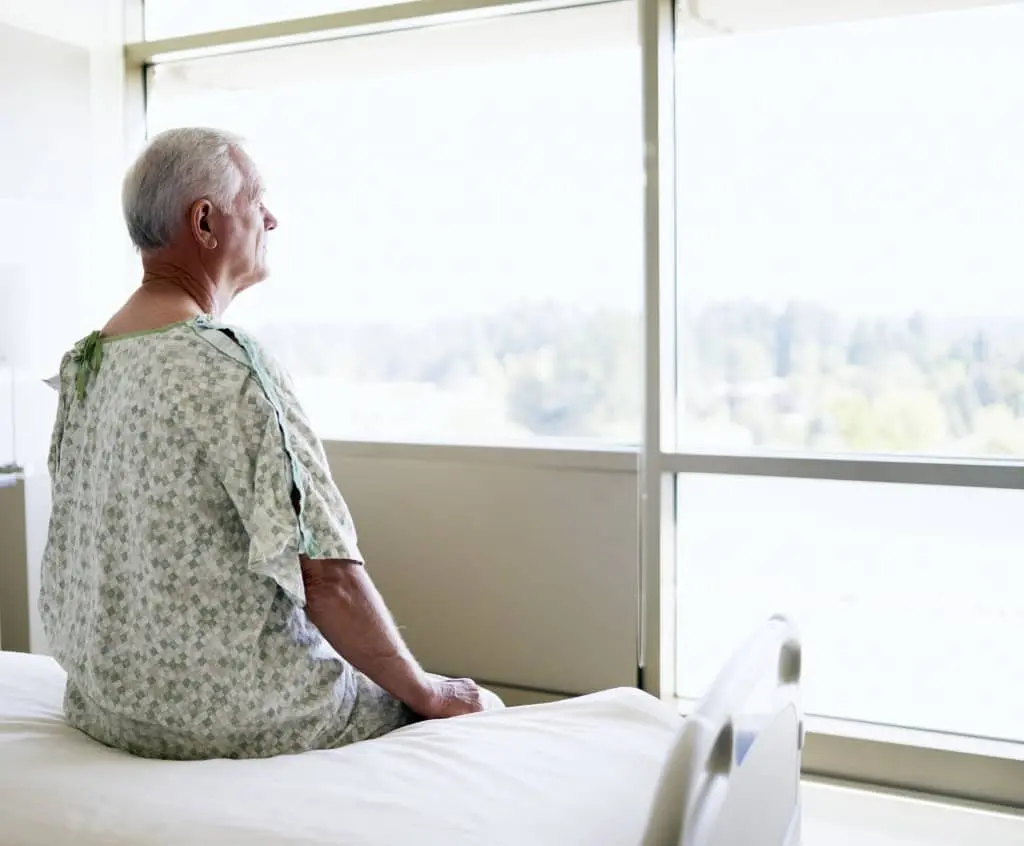
According to the National Council on Aging, about 92 percent of seniors have at least one chronic condition and 77 percent have at least two. Heart disease, stroke, cancer, digestive problems in the elderly, and diabetes are the most common and costly chronic health conditions, accounting for two-thirds of deaths each year.
The National Center for Chronic Disease Prevention and Health Promotion recommend seeing a doctor for an annual physical, maintaining a healthy diet for elderly digestion, and engaging in regular exercise to help manage or prevent chronic conditions. Obesity is a growing problem among seniors, and engaging in these light activities and building healthy habits into your life can help reduce obesity and related chronic diseases.
Cognitive Impairment in the Elderly
Cognitive health focuses on a person’s ability to think, learn, and remember. The most common cognitive impairments faced by the elderly are dementia, Alzheimer’s disease, and loss of cognitive functions. Approximately 47.5 million people worldwide have dementia. This number is expected to nearly triple by 2050. The most common form of dementia is Alzheimer’s disease.
According to the National Institute on Aging, other chronic diseases and conditions such as diabetes, high blood pressure, depression, and HIV increase the risk of dementia. While there is no cure for dementia, having a treatment plan, early diagnosis of dementia, and taking medications to manage these conditions can prevent the progression of cognitive impairment in the elderly.
Mental Health Problems in the Elderly
According to the World Health Organization, more than 15 percent of adults over the age of 60 suffer from a mental disorder. A common mental health issues in elderly is depression, which occurs in seven percent of older people. Unfortunately, this mental disorder is often undiagnosed and untreated.
It is not bad to know that older adults account for more than 18 percent of suicide deaths in the United States. Since depression can be a side effect of chronic diseases, managing and treating these diseases helps prevent it. In addition, promoting a healthy lifestyle, such as improving living conditions and social support for the family, and most importantly, having a non-medical home care services checklist for elderly, can help treat depression.
Elderly Falling
Every 15 seconds, an older adult is admitted to the emergency room due to a fall. An elderly person dies every 29 minutes from a fall, making it the leading cause of injury among older adults. Because aging causes bones to shrink and muscles to lose strength and flexibility, older adults are more susceptible to loss of balance in elderly, bone fractures, and hip fractures.
Two diseases that cause frailty in older adults and make them more prone to falls are osteoporosis and osteoarthritis. However, the risk of falls is not inevitable. Nursing care for the elderly patient at home and how to care seniors at home prevents falls in the elderly by providing education, encouraging the elderly to increase physical activity, understanding common signs of osteoporosis in women over 60, and making safety changes in the home.
Malnutrition in the Elderly
Malnutrition in older people over 65 is often undiagnosed and can lead to many diseases in the elderly, such as a weakened immune system and muscle weakness. The main causes of malnutrition in elderly can stem from other aging challenges in older adults. For example, people with Alzheimer’s and dementia may forget to eat.
Depression, alcoholism, dietary restrictions, reduced social contact and limited income can all contribute to malnutrition. Committing to small changes in diet, such as increasing fruit and vegetable intake and reducing saturated fat and salt intake, can help with nutritional issues in the elderly.
Take Senior Loneliness Seriously
As seniors age, they become more sensitive and need more attention and care. Loneliness and isolation are the main challenges of old age. Usually, seniors lose their friends due to Alzheimer’s disease or even death. During this time, spending time with friends and family members becomes more important. Loneliness and neglect of seniors will have devastating consequences. If you forget to visit your elderly parents due to work and many responsibilities, home care services will help you. Do you know how to find reliable in-home care for parents?
Sensory Impairments
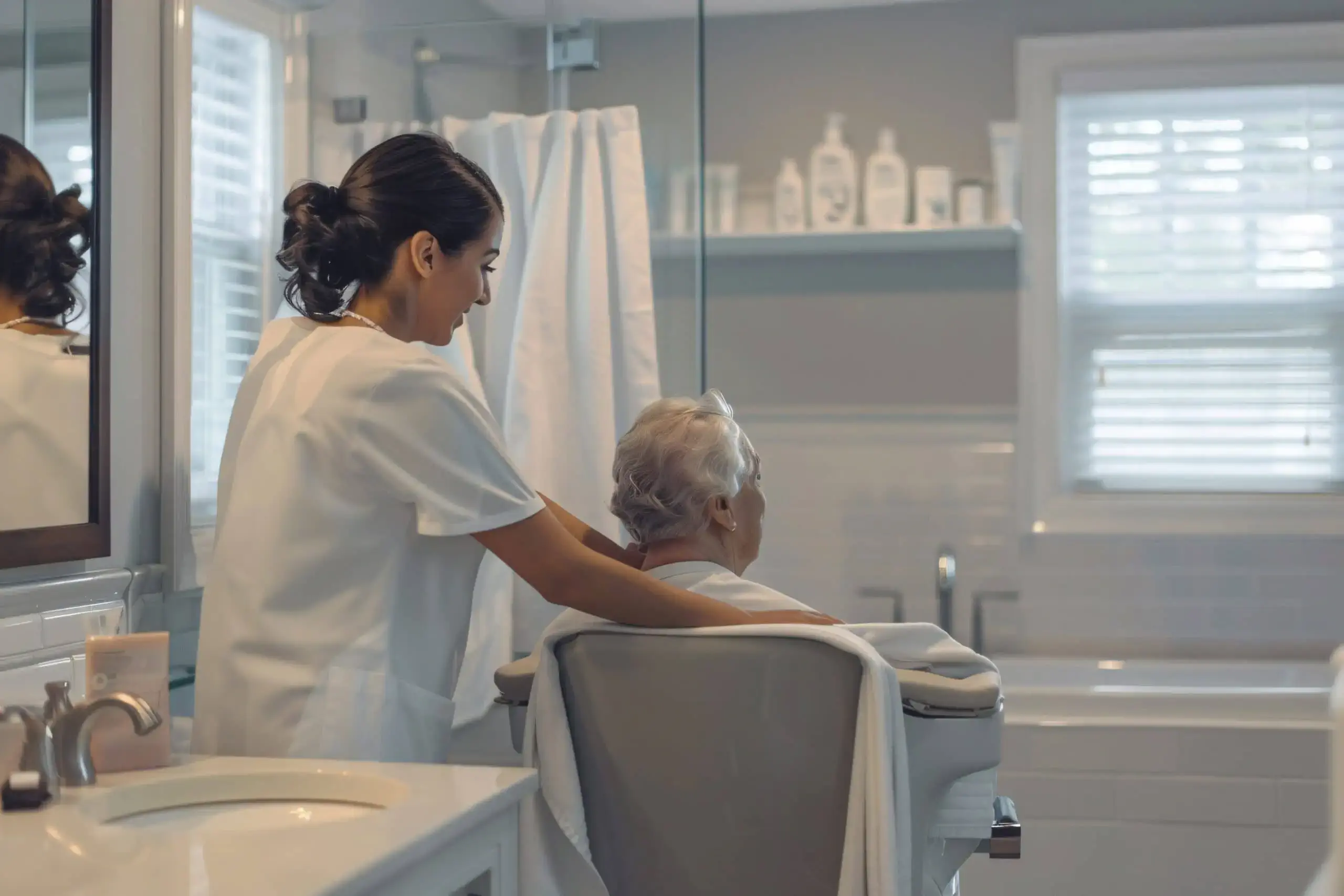
Sensory impairments, such as vision and hearing, are very common in older adults over the age of 70. According to the Centers for Disease Control and Prevention (CDC), one in six adults has vision impairment and one in four has hearing loss or presbyopia. Fortunately, both of these issues can be easily treated with devices such as glasses or hearing aids. Coping with hearing loss and isolation in seniors and choosing the right glasses or hearing aids is very important for seniors. Do you know which brand of hearing aid is best?
Don’t Ignore Your Senior’s Oral Health
Oral hygiene in the elderly is often an overlooked challenges of aging. The Centers for Disease Control and Prevention (CDC) reports that 25 percent of people over 65 have poor oral hygiene. Problems like cavities and tooth decay can lead to difficulty maintaining a healthy diet, low self-esteem, and other health conditions. Oral health issues associated with older adults include dry mouth, gum disease, and oral cancer.
Regular dental checkups can help prevent or manage these conditions. However, it can be difficult for seniors to access dental care due to loss of dental insurance after retirement or financial constraints. That’s why prevention is the best cure. A home health aide can help prevent dental problems by closely monitoring a senior’s oral hygiene after each meal.
Urinary Incontinence and Constipation
Incontinence and constipation are both common in old age and can affect the quality of life of older adults. In addition to age-related changes, these may be a complication of the previous issues mentioned above, such as not eating a balanced diet and suffering from chronic health conditions. Keep in mind that how to manage incontinence in the elderly, maintaining a healthy weight, eating a healthy diet, relieving constipation in the elderly, and exercising regularly are very important to prevent these health issues in older adults.
Financial Insecurity
While today’s seniors are living longer, unfortunately, the world of employment and retirement laws have not evolved at a pace that is commensurate, and therefore it seems necessary to clarify the situation of seniors in the country. Many seniors are able to work and be active in workplaces beyond the standard retirement age, but there is no opportunity for them to be present in appropriate job positions.
In addition, those familiar with the complications and challenges of population decline and increasing aging rates know that managing everyday finances and planning for life in retirement can be a challenging issue for seniors. For example, many financial and banking activities are now conducted online or remotely, which can expose seniors to fraud by profiteering individuals.
Leisure Activities for the Elderly
Having fun and enjoyment such as mountain climbing, swimming, sports, or even games such as doing puzzles is very important in old age, but unfortunately, due to mental, physical, and social conditions, leisure time is ignored by most elderly people. This is a common feature of the elderly that should be given special attention.
Modern Technology
Given the daily development of technology and its entry into the smallest parts of daily life, this is one of the most important and fundamental challenges of old age. For example, due to the Internet and automation of bank payment systems, one of the main challenges for the elderly is paying telephone, electricity bills, etc.
Performing Daily Tasks and Mobility
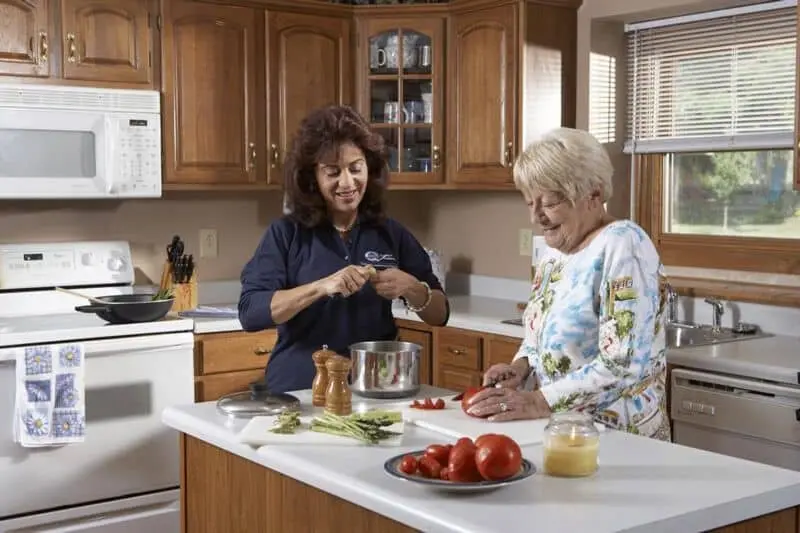
Mobility and dexterity naturally decline as people age, making it more difficult to perform everyday tasks. This can cause people to gradually withdraw from socializing and no longer pursue hobbies or participate in activities they enjoy. More assist elderly with daily living activities is needed to not only enable older adults to live independently through products and programs that focus on their safety, balance, fitness, and mobility, but also to ensure that they can continue to grow and live independently and overcome the challenges of aging.
What Are the Steps to Successful Aging?
- Adhere to and maintain healthy habits and a positive lifestyle
- Avoid smoking
- Quit drinking alcohol
- Exercise regularly, do aerobic activities, and maintain a healthy weight
- Have regular medical checkups
- Avoid falls, head injuries, and take medications that cause confusion (without a doctor’s prescription)
- Stimulate your brain
- Enjoy your hobbies and interests, especially social activities such as dancing
- Strengthen family relationships
- Resolve intergenerational conflicts
- Enjoy adult educational activities to challenge your mind. Identify any physical limitations, such as difficulty walking or balance problems. Actively monitor and follow up on these limitations, and use medical services to overcome your problems.
Concluding Remarks
There are effective medical treatments for most of the challenges of aging, and older people should not be embarrassed to talk to their doctors. Preparing food, going to the doctor, even small tasks such as cleaning the house become more difficult as we age, and we may need daily help or the use of elder care services.
When full independence is no longer practical, many older people need more care. Sometimes this care can be provided by family members, but this can put a lot of pressure on the caregiver in terms of balancing it with work and other family responsibilities. Caring for the elderly is a highly specialized job that requires a skilled and knowledgeable workforce who, in addition to having nursing knowledge, must also be highly confident.
These caregivers should be given the necessary training, resources, and emotional support to help them provide the best care for their loved ones and themselves. In some cases, it is more appropriate for a professional caregiver to be employed on a regular basis, for example, when there are complex medical conditions or physical disabilities. With comprehensive elder care services, the elderly can remain in their own home.
We’re curious to hear your thoughts! What’s your take on this topic? Comment below and join the conversation; your opinion could spark new ideas!

Frequently Asked Questions
What is the biggest challenge for the elderly?
Performing daily tasks and mobility. This can cause people to gradually withdraw from socializing and no longer pursue hobbies or participate in activities they enjoy.
What should we do for the elderly?
Every elderly person should receive care measures based on their needs, such as nutrition, attention to physical and mental health, etc.