
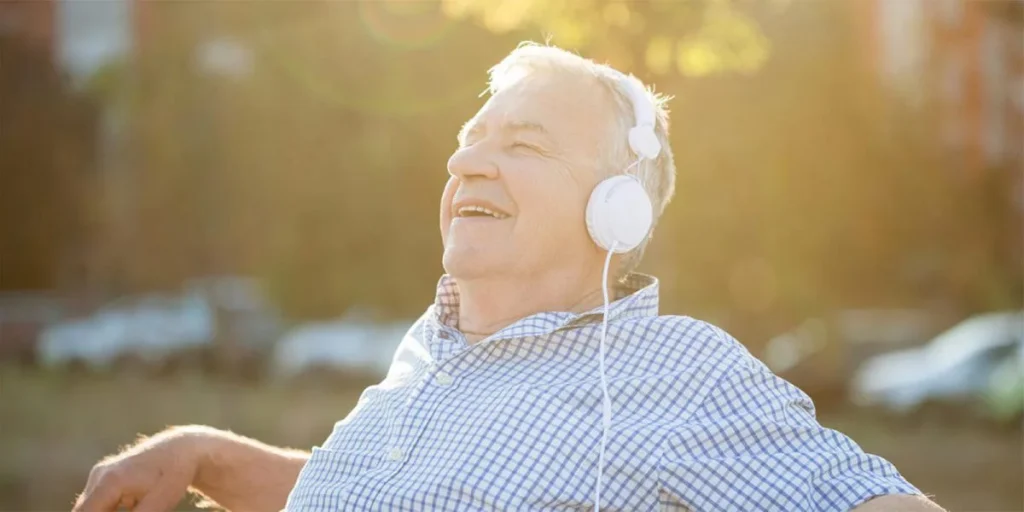

What are the benefits of music for older adults? The positive benefits of listening to music on improving the quality of life is not hidden from anyone; each of us realizes as we look back over the years that music has always been an integral part of our lives, and even some specific songs have had a different meaning for us. The intertwining of life with music not only does not decrease with age, but also becomes more pronounced. Listening to music or playing one of its instruments, if possible, plays a significant role in peace of mind and joy of spirit and soul.
These effects are doubled in old age, because an elderly person may not be able to engage in activities with high mobility like in the past and in his youth due to age, physical disability, illness, etc. This may lead to his depression, but music as a fun exercise for seniors can reduce the stress and tension caused by aging in an elderly person and lead to mental peace in him/her. In this article from humanhealthmag website, we want to discuss the benefits of listening to music for seniors and the contribution this art form can make to their quality of life.
The Relationship Between Music and Alzheimer’s
According to research, listening to music can help seniors with Alzheimer’s and dementia and give them a sense of peace. There are many ways for music therapy for seniors, including making a music playlist and singing along to music. According to these researchers, listening to music can have very strong effects on a person’s mood, way of thinking, and even physical condition.
Perhaps because some music can illuminate images of our memories for us. In fact, memory is a system that captures, stores, organizes, and retrieves incoming information. Emotions and memory also have a very direct connection to each other. Since music can stimulate our emotions, it also causes us to remember good and bad memories of the past.
How Does Music Help the Elderly?
Music in the elderly can also help with overall health and bring back good and positive memories. An elderly person can benefit from listening to music in the following ways:
- More social relationships: Improves a person’s understanding and ability to speak, stimulates the person to vent, increases the elderly’s self-confidence and reduces stress, pressure and fear.
- Better overall health: Reduces pain and the duration of the treatment period, improves sleep at night, improves the person’s mood.
- Improved memory: Makes it easier to recall memories, creates a better communication structure for the elderly.

The Benefits of Music for the Elderly
Elderly people, especially those who are recovering from illness or are far from family, friends, and neighbors, often experience feelings of loneliness and isolation. This can affect their mood, motivation, and even cognitive abilities. Music therapy in such situations offers the elderly an opportunity to feel valued and belonging by recalling happy memories and strengthening their emotional connection with those around them.
In addition to the social and psychological dimension, music can stimulate the elderly’s memory and make the process of remembering memories and information easier. Even participating in group sessions singing or playing simple instruments increases self-confidence, reduces anxiety, increases the secretion of happy hormones in the body, and creates a sense of joy and vitality in everyday life. Other benefits of listening to music for seniors are as follows:
- Improving the memory of the elderly
Listening to pleasant music has many effects and benefits for the mental health of the elderly, including the magical effect of music in strengthening the memory of the elderly. Simply put, music is a powerful medicine that can be used to reduce stress, improve symptoms of depression in the elderly, increase mental productivity, and ultimately improve their quality of life. Listening to music plays a very important role in arousing the feelings and emotions of the hero of our life and stimulates the cognitive powers of his/her mind and brain.
- Increasing Social Relationships of the Elderly
When talking about the benefits of music for older adults, we should not ignore the role of social relationships. Staying in the community and engaging in social activities has many benefits for the mental health of seniors. For the elderly who live alone or are isolated and depressed, music is considered a trump card, because it can prevent isolation and despair while entertaining the elderly.
Participating in music classes or even exchanging opinions about favorite songs can be a factor that connects the elderly with each other, which also expands social relationships and strengthens the family relationships of the elderly. Music is also used in nursing homes as an effective way to cheer up the elderly. The heroes of life can enjoy uplifting music for seniors in nursing home with people of their own age while drinking a cup of hot tea and discussing it with each other.
- Strengthening motor skills and balance
Our bodies naturally respond to rhythm. Rhythmic movements and light dances can improve the balance, coordination, and mobility of the elderly because rhythmic music increases the motivation for light sports activities such as walking, dancing, or stretching in the elderly and helps maintain their muscle strength, flexibility, and balance. Playing an instrument with the hands also helps strengthen fine motor skills.
- Reduce stress and improve sleep quality
Soft, gentle music helps to relax the body by reducing heart rate and blood pressure. Listening to music before bed can also significantly improve the quality of sleep in seniors.
In addition to improving memory, reducing depression, and strengthening motor skills, music therapy provides an opportunity for seniors to experience identity and a sense of self-awareness through improvisational and creative music. These activities allow them to express intense and sometimes repressed emotions such as anger, frustration, or sadness and face everyday life more calmly.
Music also allows us to recreate past memories; seniors can reminisce and reconnect with friends and family through singing and conversation. Finally, music therapy strengthens creative and exploratory abilities and increases seniors’ motivation to experience new activities, learn, and interact with their surroundings.
Features of Soothing Music Suitable for Older Adults
Soothing music for the elderly will have positive and desirable effects if it is suitable for this age group and has certain characteristics. The rhythm of the music should be slow and uniform, because fast or irregular rhythms will increase the heart rate and stress. Music with a slow rhythm helps the body to relax and reduce stress hormones.
This type of music is also suitable for people who have movement problems or suffer from chronic diseases and does not cause excessive stimulation. Music without words also does not force the brain to process verbal information and creates a calmer atmosphere. If the music is with words, it is better for the singer’s voice to be gentle and soft and the lyrics to be positive so as not to cause negative memories or feelings.
The types of instruments used in music play an important role in creating a sense of calm and enjoying the benefits of music for older adults. Instruments such as piano, flute, violin, classical guitar, and cello, which have soft and pleasant sounds, are very suitable for this purpose.
Concluding Remarks
We discuss the benefits of music for older adults in this article. Music is a simple, enjoyable, and scientifically proven tool for improving the quality of life of seniors. From reducing stress and loneliness to enhancing memory and social interaction, music can be a bridge between mind, emotion, and body. Although the presence of a professional therapist is the best option, even listening to your favorite music daily can be an effective step towards mental health and vitality for seniors.
Usually, seniors who have lost their spirits do not have the motivation to listen to music and such entertainment. However, a trained healthy senior nurse knows well how to encourage your loved one to engage in recreational and educational activities to both improve their spirits and enjoy the health benefits of listening to music.

Frequently Asked Questions
What are the benefits of music for older adults?
Music therapy for the elderly is a natural and enjoyable method that helps improve mood, reduce anxiety, and enhance memory by listening to or playing music. At the same time, it strengthens memory, communication, and the overall health of the elderly
Is music effective in treating Alzheimer’s in the elderly?
Yes, music therapy can stimulate memory, increase concentration, and improve emotional communication in Alzheimer’s patients, and slow down the process of mental decline.
What type of music is best for the elderly?
Familiar, calm, and evocative music usually has the best effect. Of course, choosing the type of music should be based on the personal taste of the elderly.
Is music therapy an alternative to drug treatments?
No, music therapy is a complementary method that, along with medical treatments, can help improve mental health and quality of life.