


Fear of death is completely natural, and in fact, if someone is not afraid of death, it seems more unnatural. But we cannot say that fear of death only occurs among old age. However, with increasing age, this type of fear may increase and reach its maximum possible level in old age and senility. Even to the point of becoming a mental disorder.
Fear of death in old age can affect their peace of mind, quality of life and even social relationships. Understanding the causes and symptoms of this feeling and becoming familiar with effective coping methods can help the elderly to face the reality of the end of life more calmly and continue their daily lives with more hope and joy. In this article from the humanhealthmag website, we will examine the cause of fear of death in humans, especially in the elderly.
What Is the Fear of Death in Old Age and Why Does It Arise?
Fear of death in old age, thanatophobia or death anxiety in the elderly is a natural and psychological feeling that includes anxiety, worry, and sometimes intense fear of the end of life and the unknown after death. Although death anxiety is naturally present in many people, it is intensified in the elderly due to various factors. One of the main reasons is age conditions and physical and health problems that come with aging.
In fact, the elderly are more likely to experience fear of death than other age groups because they experience a decrease in physical strength, chronic diseases, and physical disabilities as they age, which can cause them more worry and anxiety.
What Causes Death Anxiety
The cause of fear of death in the elderly can be influenced by many factors, and it is not possible to specifically consider a specific case for everyone. Gender, religious beliefs, mental state, and age are among the factors that influence death anxiety in the elderly.
Thanatophobia can manifest itself in the form of frequent thoughts about death, worries about possible pain and suffering, or concerns about leaving loved ones. In addition, elderly people fear the process of dying, the suffering it causes, and the possibility of being alone after their own death. This fear is largely natural and the extent of this fear depends on several factors, including:
- Separation from spouse
- Fear of being alone
- Panic Disorders
- Hypochondria
- Fear of the body disintegrating after death
- Fear of the unknown
- Children and those around them
- Secrets related to death
- Experience of loss and death of loved ones
- Increased awareness of physical limitations and illnesses
- A person’s performance throughout life
- Sometimes incorrect beliefs about death
- Religious or philosophical beliefs
- Lack of personal experience of death
- Psychological and social factors such as isolation, depression, loneliness, and lack of social support
- Concern about life’s achievements
Of course, sometimes the elderly do not talk about their fear, despite it. However, by raising the issue, they can easily minimize unnecessary and stressful fears.
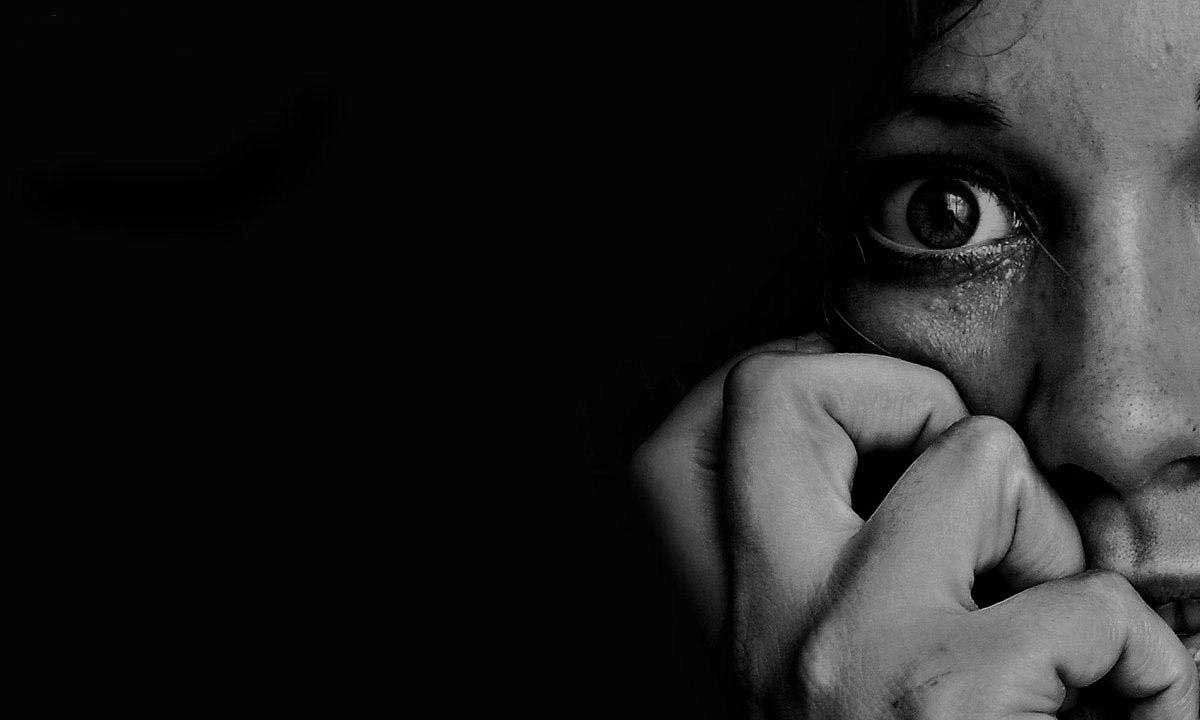
The Most Important Symptoms of Fear of Death in the Elderly
The degree of fear of death in old age varies. This fear manifests itself with different symptoms. Now we need to understand what factors generally cause this fear in the elderly. The symptoms of fear of death in the elderly can be psychological, physical and behavioral and sometimes severely affect daily life. The most important symptoms are:
- Psychological symptoms: persistent anxiety and worry about death or its process, obsessive thoughts about the end of life or events after death, feelings of meaninglessness of life or mild to severe depression, restlessness and irritability when faced with the subject of death or illness, decreased self-confidence and a sense of inability to control life
- Physical symptoms: sleep problems such as insomnia or related nightmares, palpitations, sweating, high blood pressure when faced with thoughts of death, decreased appetite or weight change due to persistent anxiety, physical pain without a clear medical cause that is related to anxiety
- Behavioral symptoms: avoiding talking about or facing the subject of death, decreased social interactions and isolation, increased dependence on others or excessive need for reassurance, obsessive activities to control health, avoidance of enjoyable activities
The Impact of Physical Conditions and Diseases on Fear of Death in Old Age
Physical conditions and diseases are one of the most important factors in exacerbating the fear of death in the elderly. As we age, the body gradually undergoes natural changes and the likelihood of developing chronic diseases such as diabetes, blood pressure, heart disease, Alzheimer’s or cancer increases. This situation causes death to turn from a mental concept into a close and tangible reality.
Diseases usually create a feeling of instability, dependence and loss of control over the body in the individual; issues that are directly related to the fear of death. When the elderly experience physical weakness or chronic pain, they unconsciously think about the fragility of life and the possibility of death being close.
On the other hand, experiencing repeated hospitalizations, taking a lot of medication and being exposed to the hospital and the death of others can also increase death anxiety. In contrast, older adults who manage their physical condition through light physical activity, proper nutrition, and consistent medical care tend to feel more calm and secure, and show less fear of death. In fact, paying attention to physical health not only increases lifespan, but also improves psychological quality of life and peace of mind in the face of death.
The Role of Loneliness and Depression in Increasing the Fear of Death
Loneliness and depression are two key factors that can significantly increase the fear of death in the elderly. Many elderly people experience a feeling of isolation due to retirement, loss of a spouse, separation from children, or reduced social connections. This feeling of loneliness causes the individual’s mind to become increasingly preoccupied with the issue of death, the meaninglessness of life, and its end.
On the other hand, depression in the elderly is usually accompanied by negative thoughts about the future, feelings of worthlessness, and hopelessness. This psychological state can fix death in the individual’s mind not as a natural part of the life cycle, but as a great and frightening threat. In fact, depression in the elderly reduces the individual’s mental capacity to accept the reality of life and death.
Research has shown that elderly people who have active social relationships, emotional family support, and a sense of belonging are not only less likely to suffer from depression, but also have a more positive attitude towards death and life. In contrast, isolation and depression can lead the mind to repetitive thoughts, anxiety, and fear of the end of life. For this reason, creating a strong support network, group activities, talking to a psychologist, and maintaining family connections are among the most effective ways to reduce the fear of death in the elderly.

How Can We Reduce Fear of Death in Old Age Through Dialogue and Empathy?
Dialogue and empathy are among the most effective and humane ways to reduce the fear of death in old age. Many older people keep their thoughts and fears to themselves because they feel lonely or ignored; while talking about death and the feelings associated with it can reduce psychological stress and lead to a deeper understanding of life and inner peace.
When those around them (especially family or therapists) listen to the elderly person without judgment and with real emotional understanding, the person feels that their fear is accepted and understood, instead of being denied or considered unimportant. This type of empathy reduces anxiety, increases feelings of security, and forms a natural acceptance of death.
Talking about experiences, memories, and the meaning of life can also help the elderly regain a sense of continuity and value, and instead of focusing on the end, focus on the positive impact they have had on others. Even simple conversations about hope, love, or happy moments can replace fear with a sense of peace and contentment.
At the therapeutic level, the use of supportive psychotherapy, meaning therapy, or group discussions can also provide a platform for the elderly to talk about their concerns and learn from the experiences of others without fear of judgment. In fact, conversation and empathy help the elderly to see death as part of the journey of life, not its end; and this change of perspective is the most important step in calming the mind.
Treatment Methods of Fear of Death in Elderly
There are various methods to overcome the fear of death in the elderly. Some people cope with this issue with the help of their religious beliefs and accept the issue of death more easily. For this reason, overcoming the fear of death in the elderly is easier in this group of people. Of course, people who have this fear for a longer period of time need to see a psychologist to undergo treatment.
Conducting behavioral and speech therapy with the individual can be very effective in treating the fear of death in the elderly. In these treatment methods, the individual is tried to be taught to focus on their fears again and overcome them by talking about their concerns. In the following, we will introduce the methods of treating the fear of death in the elderly.
Exposure Therapy
Exposure therapy is one of the effective methods in treating anxiety and severe fears such as the fear of death. In this method, the person experiences their fears in a controlled and safe environment. In the case of fear of death in the elderly, this treatment can gradually confront the elderly with their fears, such as negative thoughts about death or fear of pain and suffering. The main goal of this method is to gradually reduce anxiety through exposure.
For example, the elderly may first talk about death, then gradually address more complex topics and deeper fears. Research shows that this type of therapy can help reduce anxiety and help the person manage fears. This method is usually carried out in a safe environment and under the supervision of a psychologist so that the person feels in control when facing their fears.
Psychotherapy
Psychotherapy is another effective method for treating death anxiety in the elderly. In this method, the main goal is to identify and examine the causes of individual fears and anxieties. One type of psychotherapy used to treat fear of death is talk therapy. In this type of therapy, seniors talk to their psychologist or counselor and express their concerns. This conversation can help seniors overcome their fears and anxieties and gain a new perspective on life and death.
Research shows that psychotherapy can help seniors express their feelings and thoughts more clearly and find ways to manage their anxieties. In some cases, the use of therapeutic techniques such as analytical psychotherapy or humanistic psychotherapy can be effective. These methods are based on establishing a deep therapeutic relationship and resolving psychological problems in the senior’s past.
Cognitive Behavioral Therapy or CBT
Cognitive Behavioral Therapy (CBT) is one of the best-known and most effective methods for treating anxiety and fears. In this method, the person gradually learns to identify and correct their negative and irrational thought patterns. Specifically, in treating fear of death in older adults, CBT helps the elderly person challenge negative thoughts such as “death is scary” or “I will die alone” and replace them with more positive, rational thoughts.
In CBT, the person slowly confronts their thoughts and feelings and learns techniques to manage anxiety and change attitudes toward death. Overall, CBT helps the elderly person feel more in control of their life and face their fears in a healthier way. This approach is especially effective for older adults who have long-standing anxiety about death.
Medication for Fear of Death in Older Adults
A diagnosis of generalized anxiety disorder (GAD) or PTSD by a doctor may require the use of anti-anxiety medications. These medications may include beta-blockers or antidepressants. Medications may be more effective when used in conjunction with psychotherapy. It is important to note that while medication can be helpful in the short term in reducing feelings of fear and stress, long-term use of these medications may not be ideal.
Self-Care Exercises or Mindfulness
Mindfulness is one of the most effective psychological methods for reducing fear of death in the elderly. These exercises help the person to control anxious thoughts about the future or the end of life and experience greater inner peace by being present in the present moment. Mindfulness not only reduces death anxiety, but also increases feelings of acceptance, meaning, and satisfaction with life. Some of these activities include:
- Meditation: These exercises help the elderly to clear their minds of anxious thoughts and experience greater peace.
- Conscious breathing: Sit in a quiet environment for a few minutes a day, close your eyes, and focus only on your inhales and exhales. Paying attention to the rhythm of your breath takes the mind away from thoughts about death or everyday worries and creates a feeling of peace and mental stability.
- Exercise: Physical activity such as walking or light exercise can help reduce stress and anxiety, and can help you feel refreshed and improve your mood.
- Daily gratitude: Every night before bed, write down three things that made you happy or calm that day. This will help shift your mind from fear and lack to gratitude and satisfaction with life.
- Listening to music: Research has shown that benefits of music for older adults is much. It can help reduce anxiety and stress and give seniors a sense of peace and security.
- Being in nature: Spending time in green spaces and in contact with nature can have a positive effect on reducing anxiety and fear of death.

Normal Fear of Death VS. Thanatophobia
What is the difference between death anxiety and Thanatophobia? The fear of death is a normal and common human experience that most people feel at some point in their lives. However, when this fear becomes intense, persistent, and uncontrollable, it becomes a phobia of death (Thanatophobia), a condition that can negatively affect a person’s mental health, sleep, social relationships, and quality of life.
In the normal type, a person has mild worry or anxiety about death, but can still go about their daily lives. This feeling usually increases with thoughts about the meaning of life, responsibilities, or age changes. A normal fear of death helps a person appreciate the moments of life more and has a motivation to take care of themselves and live a healthier life.
In contrast, Thanatophobia is a severe anxiety disorder in which a person has an irrational and persistent fear of dying or thinking about death. This fear may be accompanied by symptoms such as:
- Anxiety attacks (heart palpitations, shortness of breath, excessive sweating)
- Avoidance of any conversation or reminder of death
- Insomnia or recurrent nightmares about death
- Feelings of meaninglessness and deep hopelessness
People with death phobia usually cannot overcome this situation on their own and need specialized psychological treatment such as cognitive behavioral therapy (CBT) or acceptance and commitment therapy (ACT).
The main difference between a normal fear of death and a phobia of death (Thanatophobia) is in the intensity, persistence, and impact on daily functioning. Natural fear helps a person experience life more consciously, but death phobia takes over the mind and prevents them from enjoying life.
Consequently, it is very important to know the difference between natural fear and death phobia in the elderly. If this fear is severe, persistent, and distressing, it should be considered a sign of an anxiety disorder and specialized treatment for death anxiety should be sought.
The role of Family and Friends in Reducing the Fear of Death in Old Age
The family is the most important source of emotional and psychological support for the elderly in old age. The intimate presence and mutual understanding of family members can play a decisive role in reducing the fear of death in the elderly. When the elderly feel that they are not alone and are still valuable to those around them, anxiety and worry about death are significantly reduced.
Having family, relatives, and a suitable elderly nurse who listen to the elderly and resolve their concerns by talking has a great impact on reducing this fear. However, families that talk less with their elderly increase the level of this fear in the elderly. Because the elderly think about death most of the time and have constant stress and anxiety.
The family should provide a safe and calm environment so that the elderly can talk freely about their feelings, fears, and beliefs. Listening with empathy, without denial or ridicule, strengthens a sense of peace and acceptance in them. Regular visits, phone calls, or even short daily messages can help maintain a sense of connection and belonging in the elderly. This ongoing connection can help prevent loneliness and isolation, which are major factors in increasing death anxiety.
The family can help the elderly feel a sense of purpose and value in life by encouraging them to participate in social, volunteer, or religious activities. When the individual feels that they can still be useful, fear of death is replaced by satisfaction with life.
Ultimately, the family, with its presence, love, empathy, and emotional support, or even prayer for elderly in nursing home can be the greatest source of peace and psychological security for the elderly. Fear of death is reduced when the individual feels that they are not alone, that they are loved, and that their life still has meaning.
Concluding Remarks
Death anxiety is a common issue that a person has about their own death or the death of their loved ones. Fear of death is more common in the elderly than in other age groups. Given that the elderly have a more sensitive spirit, they are more vulnerable.
Fear of death in old age is a natural and multidimensional phenomenon that is influenced by various physical, psychological, social and spiritual factors. Chronic diseases, physical weakness, and loss of independence can exacerbate this fear, while emotional support from family, social connections, and treatment of depression and loneliness play an important role in reducing it.
On the other hand, religious beliefs and spirituality can increase feelings of peace, hope and acceptance and reduce death anxiety. Psychotherapies such as cognitive behavioral therapy, acceptance and commitment therapy (ACT), as well as mindfulness exercises help the elderly to cope with the reality of death as part of the life cycle. Empathetic conversations with family and therapists also play an important role in reducing feelings of fear and isolation.
It should be kept in mind that death is also part of the life process and happens to everyone. So this fear should not encompass their entire life and prevent them from their daily activities. If this fear has been with a person for a long time, it is better to see a psychologist and seek treatment.
How useful was this article for you? If you or those around you suffer from this problem, please share your experiences with us and our audience. We hope that the elderly will continue their lives with peace and meaning by accepting this natural process and considering its end as a natural part of their human path.

Frequently Asked Questions
Is fear of death normal in old age?
Yes, fear of death in the elderly is a natural feeling that intensifies with age and the experience of diseases, decreased physical strength, and the loss of loved ones. This fear is usually accompanied by mild anxiety and does not disrupt daily life.
When does fear of death require treatment?
Fear of death requires treatment when its intensity and duration disrupt the elderly’s daily life. Warning signs include persistent anxiety, panic attacks, frequent nightmares, avoiding conversations about death, reduced social relationships, and a sense of meaninglessness in life. In such cases, it is necessary to see a psychologist or psychotherapist and use specialized methods such as cognitive behavioral therapy or mindfulness.
How can you help an elderly person come to terms with death?
To help an elderly person come to terms with death, you can listen to their feelings and reduce anxiety through conversation and empathy. Family support, social presence, and group activities create a sense of security and belonging. Mindfulness exercises, meaning therapy, and specialized psychotherapy also help the elderly accept death as a natural part of life.