


Do you know what the normal blood oxygen level is in elderly? We all know that one of the vital elements for all living things is oxygen, without which life is not possible. Oxygen enters the human lungs through the nose and mouth and enters the bloodstream through red blood cells; which is called the blood oxygen level. The body carefully monitors the amount of oxygen in the blood to keep it within a certain range and ensure that each cell receives enough oxygen.
In fact, the amount of oxygen in a person’s blood indicates the body’s ability to transport oxygen from the lungs to the cells and can play a very important role in people’s health. Blood oxygen levels in the elderly should be measured regularly. Because it is effective in the normal functioning of organs. If you are a caregiver for the elderly, you must know enough information about the normal oxygen level in the blood. We will examine this issue in more detail in the rest of this article from humanhealthmag website.
What Is Blood Oxygen Level?
Blood oxygen level refers to the amount of oxygen in the blood and indicates how efficiently the body is able to absorb oxygen from the lungs and deliver it to the body’s cells. This indicator is usually measured using the percentage of oxygen saturation in the blood (SpO2). A normal blood oxygen level is usually between 95 and 100 percent. Levels below this range (Hypoxemia) can indicate problems with breathing, heart function, or other medical conditions that need attention.
What Are the Symptoms of Low Blood Oxygen Levels?
Low blood oxygen, also called hypoxemia, can have a variety of symptoms. These symptoms may vary from person to person and in more severe cases, require immediate medical attention. But some common symptoms of normal blood oxygen levels include:
- Feeling short of breath or having difficulty breathing
- Coughing
- Fast heartbeat
- Shortness of breath
- Slow heartbeat
- Wheezing
- Sweating
- Feeling lethargic and lacking energy
- Headache
- Dizziness or feeling light-headed
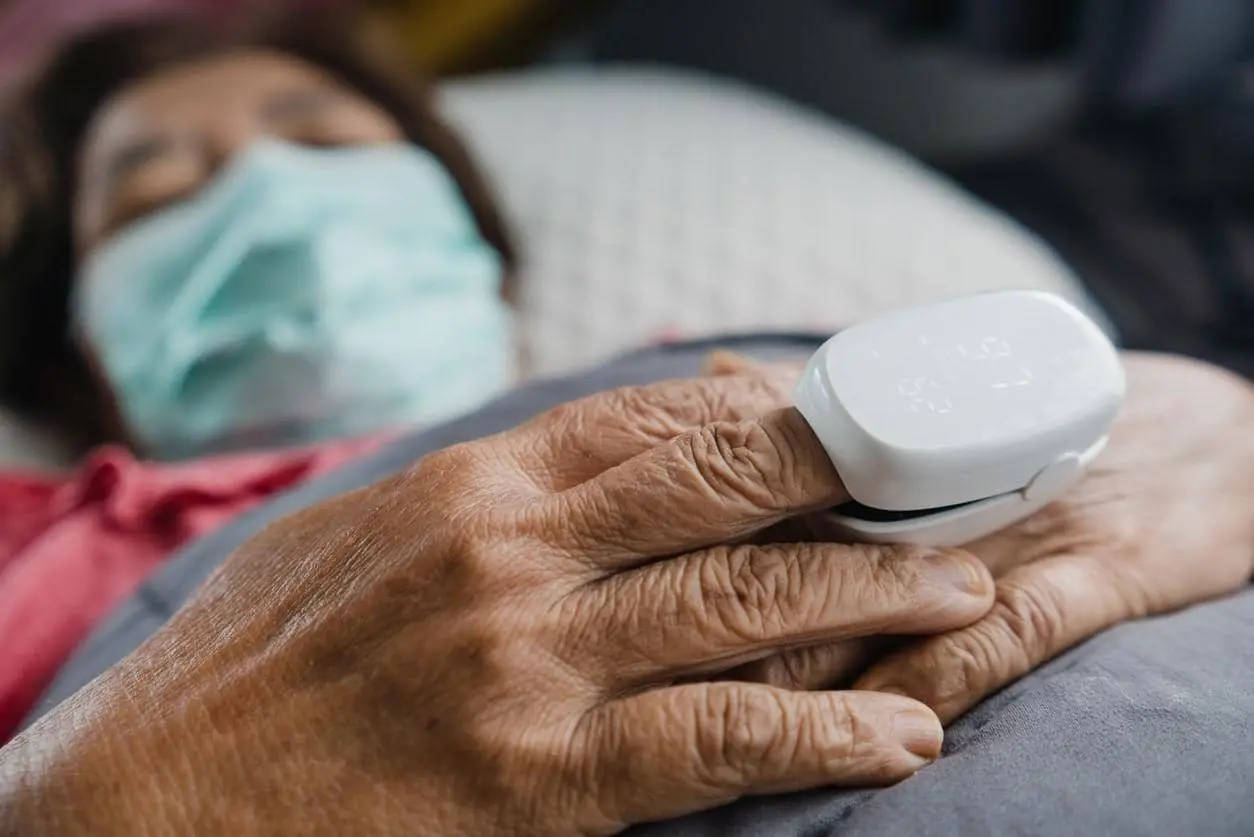
- Change in skin color, from blue to cherry red
- Skin, lips, and nail beds turn blue
- Bluish lips and fingernails (cyanosis)
- Cold sweat
- Confusion or inability to concentrate
- Lack of awareness (of time/place/person)
- Increased blood pressure, low-sodium diet plan for elderly with high blood pressure can be beneficial in this situation
Complications
If blood oxygen levels are low, the body’s organs and tissues do not get the oxygen they need. This can negatively affect the heart and brain and lead to problems such as heart attack or stroke. In fact, it can be a warning sign of heart disease. Other possible complications include:
- Depression and other mood swings in the elderly
- Chronic fatigue
- Chronic headaches
- High blood pressure
- Pulmonary hypertension
- Increased heart rate
- Heart failure
What Is the Normal Blood Oxygen Levels at Each Age Range?
Normal blood oxygen levels (usually measured as percentage of oxygen saturation in the blood (SpO2)) vary among adults, children, and adults and infants:
- The blood oxygen level in elderly adults is usually between 95 and 100 percent, and often stays around 95 or 96 percent. Also, the PaO2 value in older adults is usually in the range of 80 to 100 mmHg. Note that this oxygen level can be different and variable in older adults with asthma.
- Normal blood oxygen levels in children, like adults, are usually between 95 and 100 percent. This level is known as oxygen saturation (SpO2), and it represents the percentage of hemoglobin in the blood that is saturated with oxygen.
- In newborns and infants, the normal blood oxygen level is usually between 97 and 100 percent. However, in the first few minutes after birth, this level may be temporarily lower.
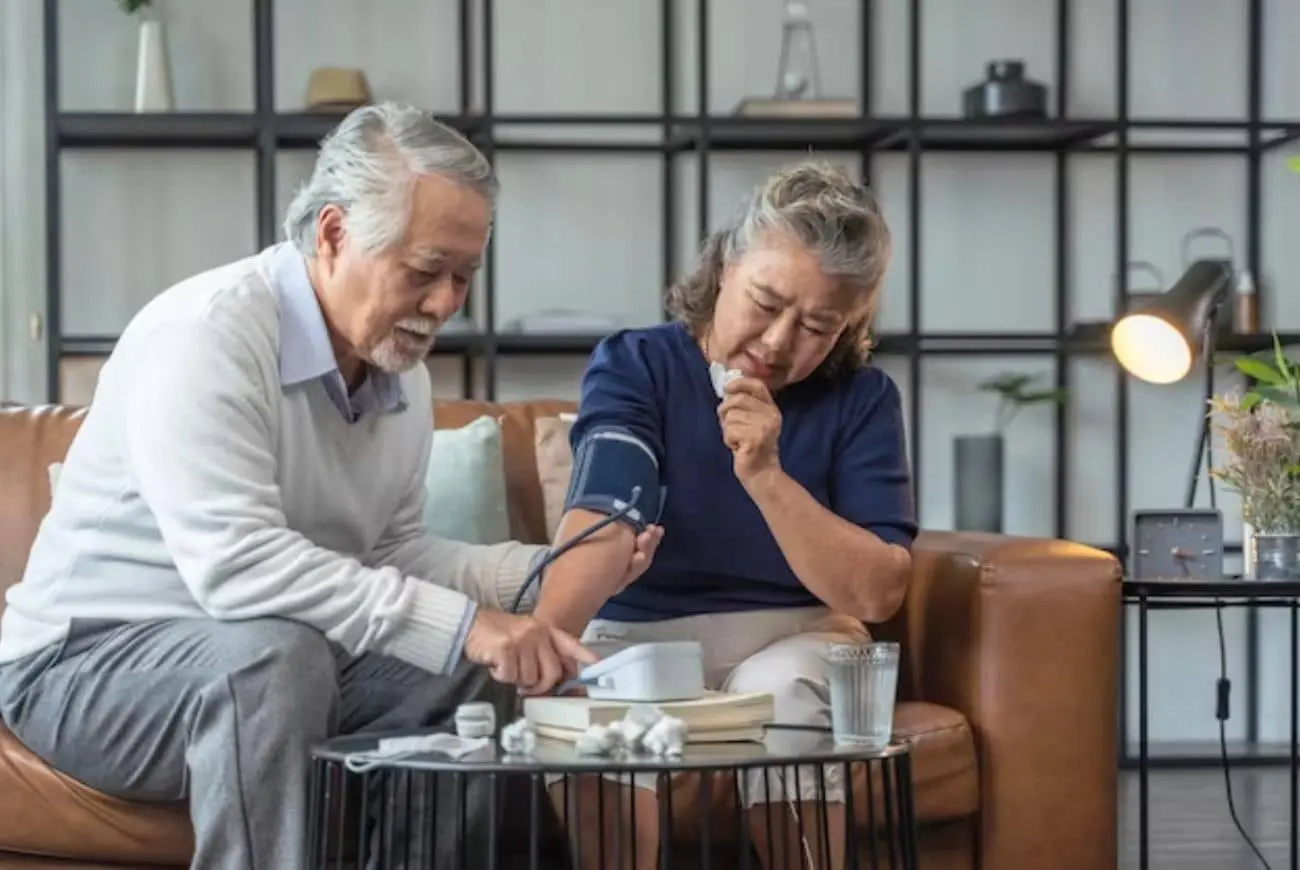
Normal Blood Oxygen Level in Elderly
As we said, the blood oxygen level indicates the amount of oxygen carried by red blood cells, which is measured by pulse oximeters. In fact, the normal blood oxygen level is between 95 and 100 percent, which is measured in a blood test of 80 to 100 millimeters of mercury. It should be noted that these numbers are considered for healthy people who do not have diseases. For example, for patients with pulmonary obstruction, these numbers are between 88 and 92. Take a look at this chart of blood oxygen levels and the condition of the elderly:
| SpO2 Level | Status | Description |
| 95–100% | Normal | No problem |
| 92–94% | Acceptable | Needs more care |
| 90–91% | Mild lack of oxygen | The cause should be investigated |
| 85–89% | Dangerous | Needs oxygen therapy |
| Below 85% | Very dangerous | Needs to be reported to a doctor immediately |
Why Are Normal Blood Oxygen Levels in the Elderly Important?
All body organs require energy to function and function normally. The energy required by these parts is provided by protein, fat, carbohydrates and sugar. This means that the energy needed by the body is obtained by breaking down these molecules, and oxygen is consumed to release the energy.
It is worth noting that 90% of the oxygen required is provided by breathing, which is why when a person is oxygen deficient, they appear lethargic and energy less. Oxygen is an essential and vital substance for the elderly body, which every single cell needs. Oxygen enters the blood through the lungs and is transported to the brain to function properly. This substance causes the heart to beat, without which life would not be possible.
If the blood oxygen level of the elderly drops below normal, it indicates lung problems. Blood oxygen levels below normal are very worrisome and dangerous because they can cause liver and brain failure.
What Causes Low Oxygen Saturation Levels?
With age, changes occur in the structure and function of the respiratory system; which may cause a decrease in the function of the respiratory muscles and a decrease in the rate of gas exchange in the lungs. There are many different conditions that can cause a decrease in blood oxygen level in elderly, such as:
- Chronic obstructive pulmonary disease (COPD), including emphysema and chronic bronchitis
- Severe asthma attack
- Lung injury due to trauma
- Pneumonia
- COVID-19
- Pulmonary edema (fluid in the lungs)
- Pulmonary embolism (blood clot in the lungs)
- Pneumothorax (collapse of the lungs)
- Acute respiratory distress syndrome (ARDS)
- Pulmonary fibrosis (damage to lung tissue and scarring)
- Cardiovascular disease
- Anemia in the elderly
- Certain painkillers and other medications that can slow or suppress breathing, such as narcotics and anesthetics
- Cyanide poisoning
- Interstitial lung disease
- Sleep quality for elderly with sleep apnea
- Obesity-related hypoventilation syndrome
- High-altitude exposure
The use of certain medications can also have an effect on lowering blood oxygen level in elderly. Some of these medications, such as antihistamines, sleeping pills or sedatives, and some heart medications, can damage the respiratory system and the flow of air into the lungs.

How is Low Oxygen Saturation Diagnosed?
Low oxygen saturation levels (hypoxia and/or hypoxemia) are diagnosed with a physical exam. The doctor will listen to the heart and lungs and also check for a bluish color to the skin, lips, or fingernails. Tests used to check oxygen levels include:
- Pulse oximetry
- Arterial blood gas (ABG) measurement
- Pulmonary function tests
How is Low Blood Oxygen Level in Elderly Treated?
Low oxygen saturation levels (hypoxia and/or hypoxemia) are a medical emergency and treatment involves giving oxygen in the hospital.
- Oxygen is usually administered through a nasal cannula or a mask that covers the nose and mouth.
- Asthma medications or inhalers may be used to help patients breathe.
- Steroids may be used to help reduce inflammation
- Antibiotics may be given if there is an underlying infection
In severe cases:
- Oxygen is given to the patient in a hyperbaric chamber
- Mechanical ventilation (intubation)
Strategies to Increase Blood Oxygen Levels for Seniors
In order to increase blood oxygen levels in the elderly, there are ways such as performing deep and regular breathing exercises, gentle exercise activities such as walking, using assistive devices such as oxygen, and following a healthy diet rich in nutrients and air that help improve blood oxygen levels.
Also, consulting a doctor and specialist in this field is important to choose the best ways to increase blood oxygen and adapt to the health condition of the elderly person. If for any reason the blood oxygen level of the elderly falls below normal, the person’s blood oxygen should be increased using appropriate strategies. The following are some of these strategies:
- Exercise
One of the best treatment methods for treating low blood oxygen levels is exercise, which increases blood circulation. A home nurse or a geriatric nurse encourages the elderly to do appropriate exercises to bring blood oxygen levels back to normal.
- Breathing fresh air
The elderly can increase their blood oxygen levels by inhaling fresh air, so if the elderly are in a closed place, they can open the windows to let fresh air into the lungs.
- Water consumption
The lungs need to be hydrated and moist to supply oxygen and remove carbon dioxide. A large amount of water is lost from the human body daily, which if reduced will have a detrimental effect on the function of zinc and oxygen supply. Therefore, the elderly should drink several glasses of water daily. Water consumption is also effective in fatty liver grades.
- Proper diet
One of the ways to increase blood oxygen levels and bring them close to normal is to consume foods rich in minerals such as iron. This mineral is found in foods such as spinach, red meat and lentils, which is essential for red blood cells that are responsible for supplying oxygen throughout the body.
Concluding Remarks
In this article, we have taken a detailed look at the normal blood oxygen levels in the elderly, children, adults, and infants. It was stated that the normal blood oxygen level in most healthy people is between 95% and 100%, and its decrease can cause complications such as dizziness, shortness of breath, cognitive impairment, headache, high blood pressure, etc.
However, in the elderly, depending on their health status, underlying diseases, and lung strength, between 92 and 95% may also be considered normal blood oxygen level in elderly. If the SpO2 level is less than 90%, it indicates a lack of oxygen, meaning that the blood is not carrying enough oxygen and immediate medical attention is needed.
Thank you for following this article so far. If you also have information or experience in this field, please share it with us and other users.

Frequently Asked Questions
What is the normal oxygen level for the elderly?
Between 92 and 95 percent is usually normal.
Are the elderly more susceptible to oxygen deprivation?
Yes, due to weak lungs, heart disease, and taking certain medications.
When should we worry?
When SpO2 drops below 90%.
Can anemia cause oxygen deficiency?
Yes, because the body does not have enough hemoglobin to carry oxygen.
When should a doctor be seen?
If the drop in oxygen is accompanied by shortness of breath or bruising.
Does blood oxygen decrease with stress?
Yes, severe stress can make breathing shallow and reduce oxygen levels.
Do the elderly need to measure their blood oxygen levels daily?
If they have respiratory or heart disease, yes.
Does nutrition affect blood oxygen?
Yes, a diet rich in iron and vitamin C is beneficial.
Does poor sleep cause oxygen depletion?
In the elderly with sleep apnea, decreased oxygen is common.
How can you measure blood oxygen level in elderly at home?
Using a pulse oximeter, which is a non-invasive device that can easily measure blood oxygen levels.
How much blood oxygen causes death?
Blood oxygen levels below 60 percent may cause organ failure and death.