
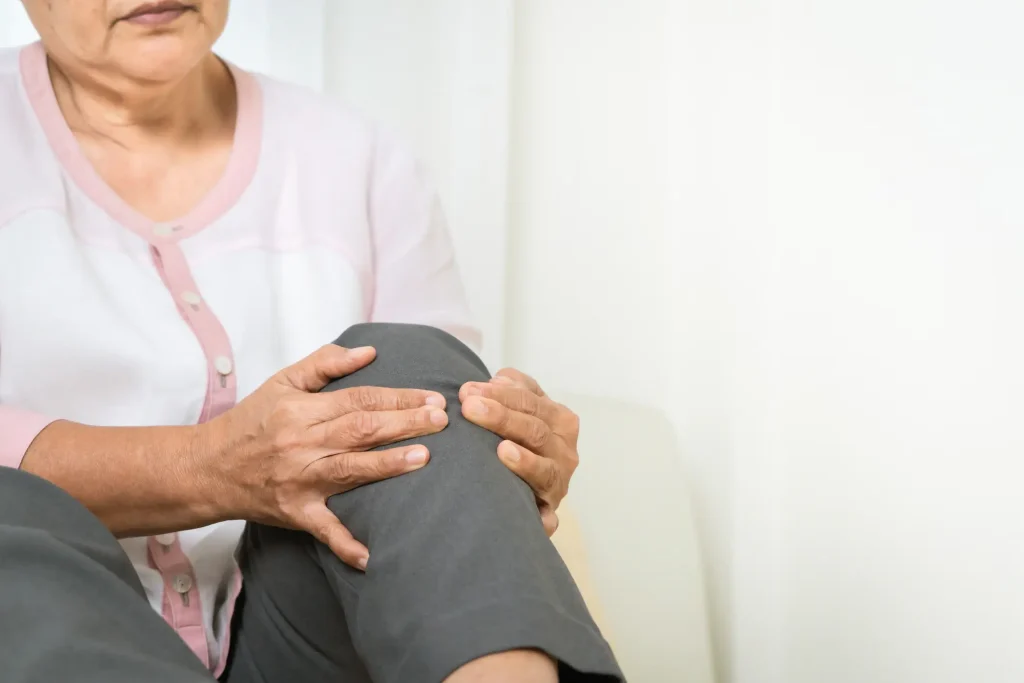

Can diet alone prevent bone loss in women over 60? In most cases, diet is essential but not sufficient on its own; the best evidence supports combining an optimal diet with weight‑bearing exercise, fall‑prevention, and, when indicated, medication and supplements. Women over 60 can significantly slow bone loss and reduce fracture risk with the right eating pattern, but relying on food alone is usually not enough, especially in those with established osteoporosis or multiple risk factors. In this article from humanhealthmag, we check out this issue and key nutrients for women over 60. We also recommend best foods and dietary patterns for for a 60 year old woman.
What Bone Loss Means After 60
After menopause, estrogen levels fall sharply, and this accelerates bone turnover and bone loss, making osteoporosis common in women over 60. Osteoporosis greatly increases the risk of fractures in the hip, spine, and wrist, which can severely affect independence and quality of life.
The question “Can diet alone prevent bone loss in women over 60” matters because nutrition is one of the few factors that can be changed at any age, but it is only one part of a broader prevention strategy. Understanding which parts of bone health can be influenced by food versus exercise, hormones, and medications helps set realistic expectations.
Can Diet Alone Prevent Bone Loss in Women Over 60?
Current research shows that good diet quality is clearly associated with better bone mineral density (BMD) and lower fracture risk in older women, but it does not prove that elderly nutrition alone can fully prevent age‑related bone loss. Observational studies consistently find that women who eat nutrient‑dense patterns (such as Mediterranean‑style diets rich in vegetables, fruits, whole grains, nuts, and quality proteins) tend to have stronger bones than those with poor‑quality diets.
However, studies that have looked specifically at one nutrient, such as dietary calcium alone, have found that higher intake from food is not always linked to slower bone loss over years in older women, especially once osteopenia is present. For this reason, the evidence suggests that asking “Can diet alone prevent bone loss in women over 60” has a nuanced answer: diet is necessary and powerful, but usually not sufficient by itself without exercise, adequate vitamin D status, and other lifestyle or medical measures.
Key Nutrients for Women Over 60
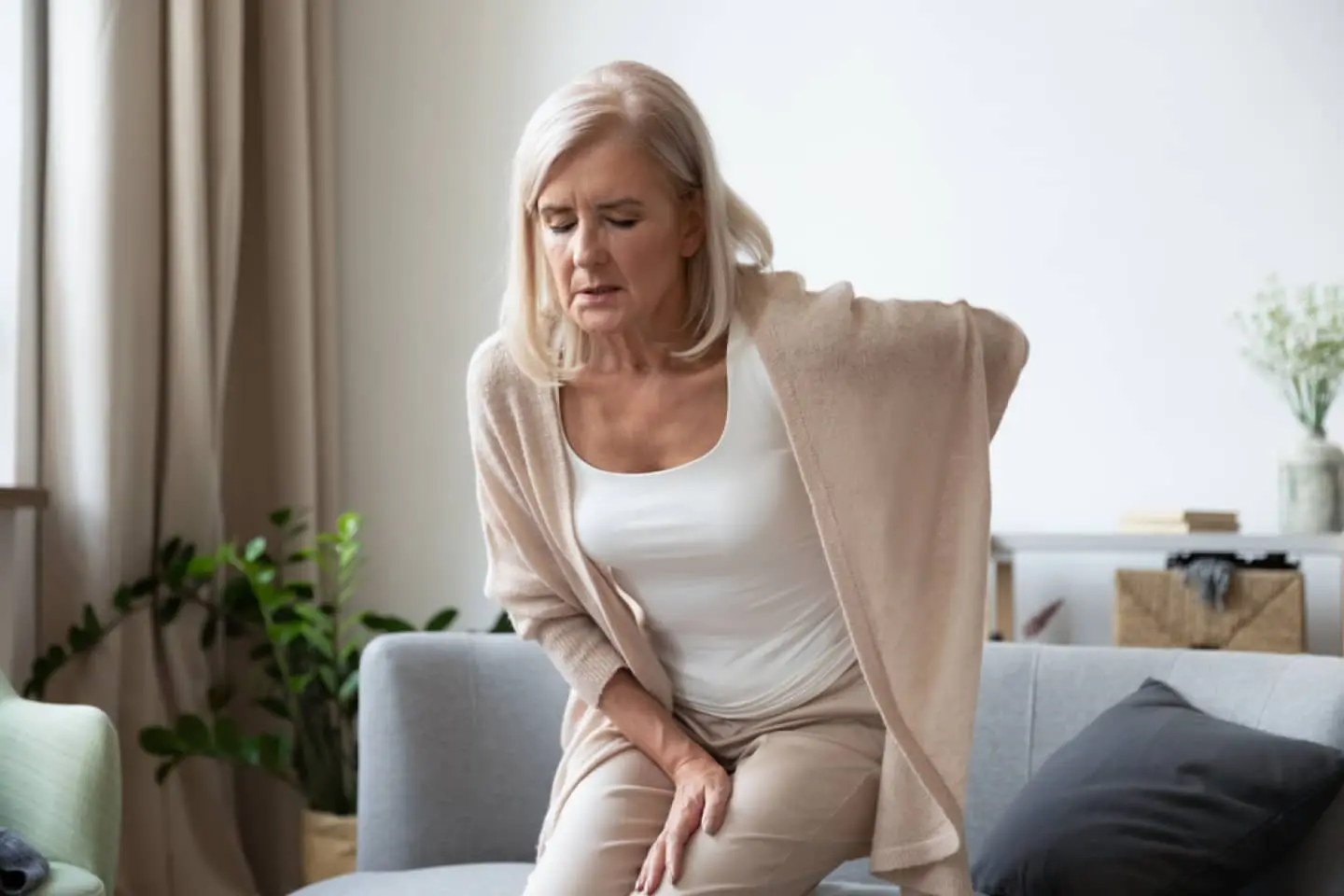
There are numerous treatment options for preventing osteoporosis. However, once osteoporosis develops, there is no cure for it. The most important nutrients for preventing osteoporosis include calcium and vitamin D. Calcium is one of the main elements in bone production. Additionally, vitamin D helps the body absorb calcium. Several nutrients are consistently linked with better bone health in postmenopausal women. The most important include:
Calcium
Calcium is a building block for many bodily functions, including bones. The body uses calcium daily for nails and hair. Excess calcium in the body is excreted through sweat and urine. adults generally need about 700 mg per day or more, often higher in osteoporosis or on medical advice. If the body does not receive enough calcium or cannot absorb sufficient amounts, calcium deficiency in elderly cause the bones become damaged.
This is because almost all of the body’s calcium is stored in the teeth and bones, and in case of deficiency elsewhere, the body takes calcium from the bones. Low-calcium bones become weakened and unable to grow. Osteoporosis occurs when there is an imbalance between the formation of new bone and the resorption of old bone. Although foods are the best source of calcium, obtaining it solely through diet is not sufficient.
Vitamin D
Vitamin D is another vital substance for bones. The body needs vitamin D to absorb calcium and increase bone density and mass. Without strong and dense bones, osteoporosis is likely to develop. Many older adults require supplements because food and sunlight alone are often inadequate.
Vitamin D is supplied from three sources: sunlight, foods, and pharmaceutical supplements. The skin absorbs vitamin D through ultraviolet light in sunlight. This mineral is also obtained through consuming dairy products, cereals, and fatty fish. However, because vitamin D is only available in limited foods, obtaining adequate amounts through diet is difficult. For this reason, supplements are necessary.
Protein
Adequate protein supports bone matrix and muscle strength, both of which help reduce fall and fracture risk. Whey protein is one of the best protein powder for 60 years-old woman.
Vitamin C
Vitamin C is important for the body because it acts as a cell protector and is vital for collagen formation. Collagen is the fibrous part of cartilage and bone and helps people build strong bones. In addition, vitamin C plays an important role in bone health because it helps increase bone density and prevent osteoporosis. Adequate intake of vitamin C in the diet can help combat the effects of osteoporosis. Vitamin C is found in fruits and vegetables such as red and green peppers, oranges, strawberries, pineapple, and broccoli.
Magnesium, potassium, vitamin K
Found mainly in fruits, vegetables, nuts, and whole grains; these nutrients support bone remodeling, collagen formation, and acid–base balance that favors bone retention. When discussing whether “Can diet alone prevent bone loss in women over 60,” it becomes clear that a pattern rich in these nutrients is strongly protective, but deficiencies—especially of calcium, vitamin D, and protein—are common in older adults and undermine bone health.
Recommended Foods and Dietary Patterns
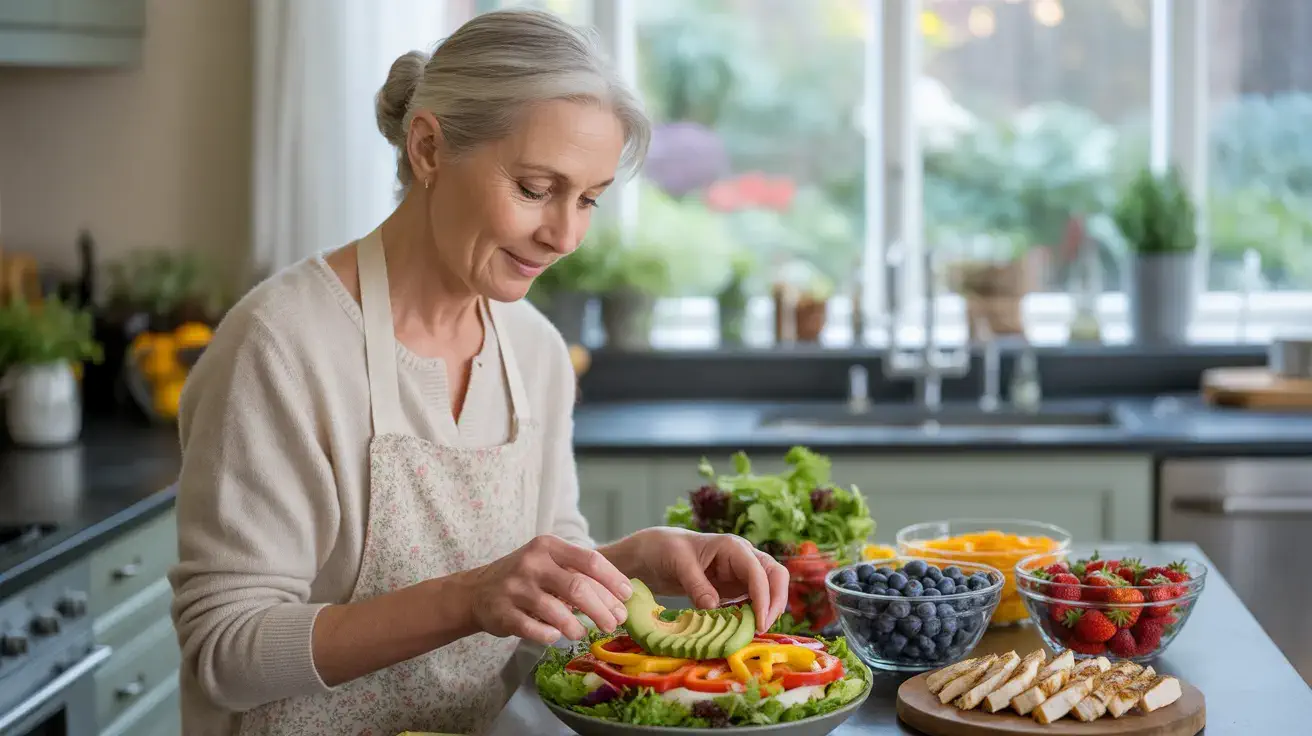
To strengthen bones and prevent their weakening, calcium and vitamin D can be obtained from diet, supplements, or both. However, obtaining nutrients from food is better. Foods are a more complete source of nutrients compared to supplements. The most effective dietary approach for bone health in women over 60 focuses on overall diet quality.
Milk, yogurt, cheese, calcium‑fortified plant drinks, and calcium‑set tofu contain large amounts of calcium as well as other essential nutrients like phosphorus and protein for bone health. They provide calcium, protein, and often added vitamin D. When shopping for food, look for foods and drinks that contain plenty of calcium. Additionally, in case of lactose intolerance and avoidance of dairy, other options include the following:
- Calcium-fortified orange juice, plant-based milks like soy milk, and cereals
- Green leafy vegetables like broccoli and spinach
- Seafood like fish and shrimp
For vitamin D, look for items fortified with vitamin D such as orange juice, breakfast cereals, and plant-based milks. Additionally, some fish like salmon, tuna, and sardines may also be good sources of vitamin D. Sardines and canned salmon with bones supply highly bioavailable calcium and vitamin D.
Dark leafy greens, broccoli, okra, cabbage, citrus, berries, and peppers contribute magnesium, potassium, vitamin C, and vitamin K. Nuts, seeds, legumes, and whole grains also provide magnesium, zinc, protein, and other minerals that support bone formation.
Mediterranean‑style diets, which emphasize plant foods, healthy fats, and moderate fish intake, are associated with better BMD and lower fracture risk in older adults. These data support the idea that diet can meaningfully influence bone health, but they still do not show that diet alone completely prevents bone loss in women over 60.
Supplements
If calcium and vitamin D intake from diet is insufficient, a doctor may recommend supplements. Best supplements for bone health in women over 60 include calcium, vitamin D3, magnesium, vitamin K2, and collagen. When supplements and medications are needed?
Even with an excellent diet, many women over 60 do not reach recommended vitamin D levels from food and sunlight, and some fall short on calcium or protein intake. In such cases, healthcare professionals often recommend supplements after checking total dietary intake and, for vitamin D, sometimes blood levels.
For women with osteopenia or osteoporosis, or those with strong risk factors (previous fractures, long‑term steroid use, very low body weight), medications are frequently indicated in addition to diet and exercise to significantly reduce fracture risk. In this context, the practical answer to “Can diet alone prevent bone loss in women over 60” is usually no, especially for higher‑risk women; instead, diet acts as the foundation on which medication and lifestyle therapy build. Calcium supplements are available in various types, including the following:
- Calcium citrate
- Calcium carbonate
The type of calcium supplement does not make much difference. However, the way they are taken varies greatly. Calcium carbonate supplements are taken with meals for maximum absorption. However, calcium citrate supplements do not need to be taken with meals.
Limits of Diet for Bone Protection
Several reasons explain why diet, on its own, usually cannot fully stop bone loss after 60.
- Hormonal changes: The loss of estrogen after menopause has a strong effect on bone turnover that nutrition cannot completely counteract.
- Age‑related changes: Reduced absorption of nutrients, decreased appetite, and chronic illnesses can limit how much benefit even a perfect diet can provide.
- Established osteoporosis: Once significant bone loss or fractures have already occurred, medications are often needed in addition to diet and lifestyle.
One study of older women with low bone density found that dietary calcium intake alone was not clearly linked with slower bone loss over six years, illustrating that the question “Can diet alone prevent bone loss in women over 60” should be answered cautiously. Instead of focusing on calcium alone, a broader pattern with multiple supportive nutrients and lifestyle habits yields better outcomes.
Role of Exercise and Lifestyle
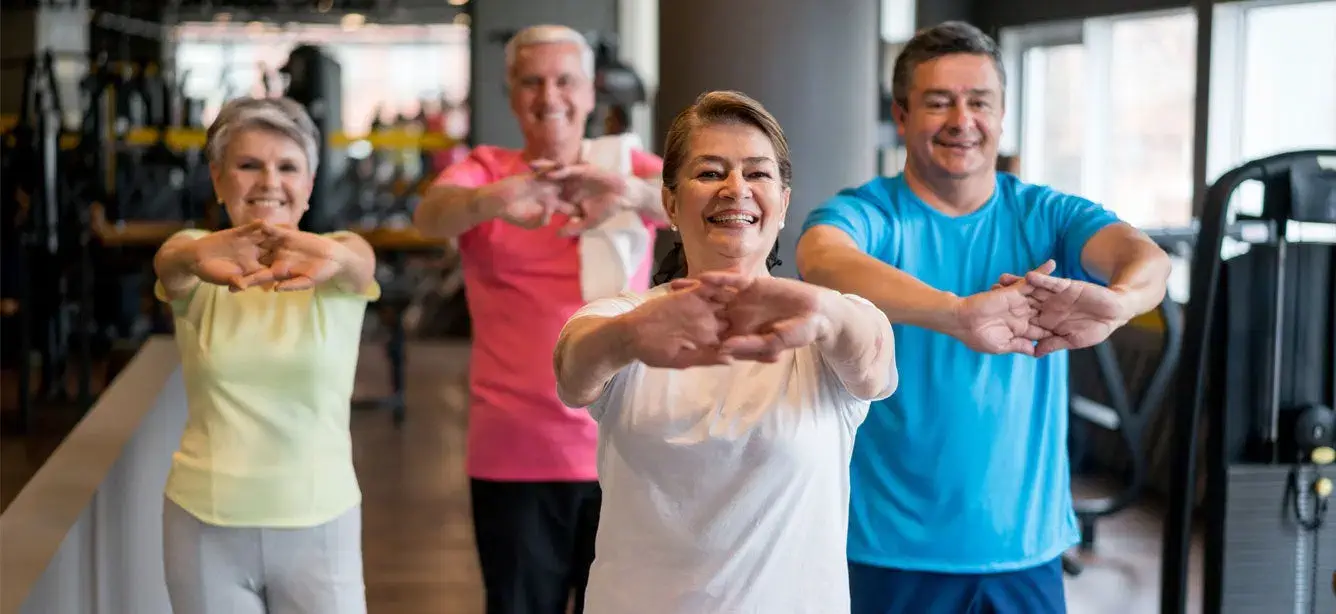
Weight‑bearing and resistance exercises are as important as diet for maintaining or improving bone mass in older women. Activities such as walking, stair climbing, dancing, light jogging (if safe), and strength training help stimulate bone formation and preserve muscle, which reduces falls. Other lifestyle factors that interact with diet include:
- Avoiding smoking and limiting alcohol, both of which worsen bone health.
- Preventing undernutrition or very low‑calorie diets, which can accelerate bone loss, especially in older adults.
- Minimizing excessive salt and high‑sugar, ultra‑processed foods that may promote calcium loss or displace more nutritious choices.
These points reinforce that while “Can diet alone prevent bone loss in women over 60” is a critical question, the most effective strategy always combines high‑quality nutrition with exercise and other lifestyle measures.
Concluding Remarks
For a woman over 60 wanting to do as much as possible through food, a daily routine might include several servings of dairy or fortified plant alternatives spread across the day for calcium and protein. At least five portions of fruits and vegetables, emphasizing leafy greens and vitamin C‑rich produce or regular servings of beans, lentils, fish, poultry, nuts, and seeds to support protein, zinc, and magnesium intake and using fortified foods (such as some breads, cereals, and drinks) to boost calcium and vitamin D when needed are also practical eating tips for women over 60.
Combining these habits with exercise, smoking cessation, and fall‑prevention measures gives a much better chance of preserving bone strength than diet alone. For any woman wondering “Can diet alone prevent bone loss in women over 60,” the most realistic and evidence‑based message is that diet forms the indispensable base, but long‑term protection normally requires a full lifestyle and, where appropriate, medical approach.
Could you help us make this content even better? What do you love, and what can we improve? Share your thoughts below, feedback is the key to creating better content for YOU.

Frequently Asked Questions
Can diet alone prevent bone loss in women over 60?
No, diet alone usually cannot fully prevent bone loss in women over 60. Good nutrition enriched with calcium, vitamin D, protein, and other bone-supportive nutrients is essential and strongly beneficial, but diet should be combined with weight-bearing exercise and, when needed, medical treatments to effectively maintain bone health and reduce fracture risk.
What are the most important nutrients in the diet for bone health after 60?
Calcium and vitamin D are the most critical nutrients for bone health in older women. Adequate protein, vitamin C, vitamin K, magnesium, and omega-3 fatty acids also contribute to maintaining bone density and reducing bone loss.
Are there particular foods or dietary patterns that help prevent bone loss?
Yes, diets rich in dairy, fatty fish, leafy green vegetables, nuts, fruits, and whole grains — such as a Mediterranean-style diet — have been shown to support bone health. These patterns provide a combination of vitamins, minerals, and antioxidants that collectively help maintain bone strength and lower osteoporosis risk.