
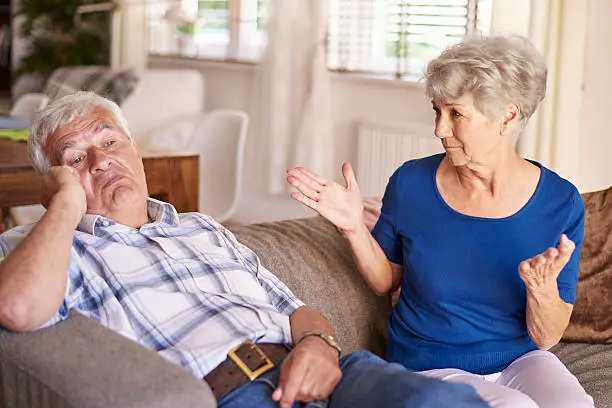

One of the main causes of inactivity in seniors is aging. But inactivity in old age is not just due to aging. Sometimes, physical problems or psychological concerns can cause the elderly to be inactive and limit their daily activities. Joint pain, muscle weakness, depression, or lack of motivation can cause the elderly to be less active and withdraw from society. Even environmental factors such as the lack of suitable space or the fear of falling can make the elderly stay home.
In this content from the humanhealthmag website, we have talked about the cause of inactivity in seniors, physical, psychological, social, and environmental inactivity in older adults, complications, and treatment methods. Reading this article, will help you better understand the situation of such elderly people and look for solutions to help them.
Risks of Physical Inactivity Among Adults Aged 50 Years and Older
Lack of physical activity can negatively affect mental health, leading to increased feelings of depression, anxiety and social isolation of seniors. On the other hand, regular exercise is associated with improved mood, self-esteem in older adults and psychological well-being. In addition:
- Decreased Physical Health: Inactivity leads to loss of muscle mass, strength and flexibility, increasing the risk of falls, fractures and mobility limitations. It also exacerbates the progression of chronic diseases such as cardiovascular disease, diabetes and obesity in the elderly.
- Cognitive Decline: Studies have shown a link between physical activity and cognitive function. Inactivity may lead to cognitive decline, memory problems and an increased risk of diseases such as dementia and Alzheimer’s disease.
- Reduced Independence: Inactivity limits a person’s ability to perform daily activities independently and leads to increased reliance on others. This can lead to loss of independence and reduced quality of life.
Causes of Inactivity in Seniors
What do you think is the main reason the elderly become immobile? Sedentary behavior or inactivity in older adults is a common problem with multiple causes that can significantly impact their quality of life and overall health. Understanding the underlying causes of inactivity in seniors paves the way for developing effective prevention strategies and interventions.
The causes of lack of movement in the elderly are numerous. This problem is not only due to advancing age. Several factors, from physical problems to mental disorders or elderly mood disorders, can reduce physical activity in the elderly. What are the causes of inactive lifestyle? Below, we have introduced the most important reasons for inactivity in the elderly.
Physical Causes of Inactivity in Seniors
As we age, muscle mass naturally decreases and balance becomes weaker. This can make it more difficult for seniors to perform daily activities and maintain balance, putting them at greater risk for falls and injuries. Chronic fatigue, a common factor in seniors, can significantly reduce their motivation and ability to be physically active.
Many seniors suffer from muscle weakness due to stroke or Parkinson’s disease. Others suffer from conditions such as osteoarthritis, spinal cord injury, heart disease, lung disease, osteoporosis, knee or back pain. These physical problems can make seniors afraid to walk or prefer to be less active because of increased pain. Physical disabilities resulting from injury or surgery can also contribute to their inactivity.
In old age, the body becomes weaker. Muscles also atrophy and motor ability decreases. These things make the elderly feel tired with little activity. This premature fatigue is the main reason for the elderly to be inactive.
Psychosocial Causes of Inactivity in Seniors
Depression, anxiety, and loneliness are other reasons for reduced mobility in seniors. Demotivated seniors often have no desire to do their daily activities. They prefer to spend most of the day at home on the couch or in bed.
Mood disorders such as depression and anxiety can reduce a person’s interest and motivation for physical activity and lead to inactivity. Seniors who are socially isolated or live alone may not have enough opportunities or motivation to be physically active. Fear of falling and getting injured, especially in seniors with a history of falls, can prevent them from being physically active and mobile.
Some seniors are afraid of falling. For this reason, they prefer to walk less. Of course, their fear is somewhat natural because the likelihood of bone fractures due to falls is high in old age. Inactivity in seniors who are afraid of falling gradually increases over time. Some seniors may not be aware of the principles of exercise in old age and health benefits of physical activity or lack the motivation to start and maintain an exercise program.
Environmental Causes of Inactivity in the Elderly
A lack of suitable sports facilities in the elderly’s living area, such as parks, swimming pools or sports centers, can prevent them from being physically active. Unsafe neighborhoods or those without proper sidewalks can prevent the elderly from walking and other outdoor activities.
Sometimes, the space inside or nnnnnnnnnoutside the home is not safe and suitable for walking and exercising. Apartments are small and full of furniture. Also, the sidewalks on the streets are not smooth and flat. These factors play a major role in reducing mobility in the elderly.
In addition, some elderly people need a companion to exercise or walk. The lack of a companion makes the elderly feel lonely and lack the necessary motivation to move and be physically active.
Medications
Some medications commonly prescribed to the elderly, such as sedatives, can cause drowsiness and muscle weakness, limiting their mobility. Some seniors also don’t realize the importance of physical activity as they age. They mistakenly think they need to rest more. But the truth is that inactivity can lead to muscle weakness, weight gain, constipation, heart problems, and even memory loss.
The Link Between Inactivity and Dementia
New research shows that inactivity in the elderly not only endangers their physical health, but also serves as a warning sign for dementia. British researchers have studied the condition of more than 50,000 people over the age of 60 and found that there is a direct link between inactivity and an increased risk of dementia.
The study, conducted at the British Biobank, examined the physical and mental conditions of people between 2006 and 2010 and then followed them for seven years to determine their risk of dementia.
“We wanted to know if sitting too much increases the risk of dementia,” says David Ricklen, the study’s lead researcher and a professor of biological sciences and anthropology at the University of Southern California. “The results show that sitting for more than 10 hours a day significantly increases the risk of dementia.” The study shows that more inactivity carries even more serious risks:
Seniors who sit for 12 hours a day are 63 percent more likely to develop dementia. This risk increases dramatically, to 320 percent, for those who sit for 15 hours a day. These findings underscore the importance of physical activity and mobility as we age. Regular physical activity not only has numerous physical health benefits, but it can also prevent diseases such as dementia.
Complications of Inactivity in Seniors
Inactivity in the elderly is a common problem with multiple and serious consequences for their health. Elderly people who have had a stroke need to think about mobility and appropriate stroke exercises many times more than others in order to recover. Inactivity can lead to:
- Loss of muscle mass and weakening of bones, which can increase the risk of falls, fractures and disability.
- Impaired balance and coordination, increasing the risk of falls and injuries.
- Constipation and other digestive problems
- Bed sores, especially in elderly people who are bedridden or in a chair
- Risk of cardiovascular disease, type 2 diabetes and obesity
- Increased risk of depression and anxiety and exacerbate symptoms of these disorders in elderly people who already have them.
- Isolation and loneliness in elderly people, especially for those who have fewer connections.
- Reduce the elderly’s self-confidence in performing daily activities and maintaining their independence
- Reduce the quality of life of the elderly by limiting their ability to do favorite activities, interact with others, and enjoy life
- Chronic fatigue and lack of energy
- Disrupted sleep, insomnia, or poor-quality sleep
- Weaken the immune system and make the elderly more vulnerable to infections and diseases.
Methods of Treating Inactivity in the Elderly
Increasing mobility in the elderly is one of the most important issues of old age because it is true that today’s elderly people live longer and are healthy until old age, but most elderly people still face mobility problems. If your elderly person is inactive and does not do any activity during the day, you can encourage him to be fit because it in turn has positive effects on the person’s general health. In many nursing homes, exercise sessions are considered part of the weekly programs to increase the mobility of the elderly. The most effective methods of treating inactivity in the elderly are:
Gradual Start of Physical Activity
Continuing the topic of causes of inactivity in seniors and ways to treat it, it should be said that starting exercise may be a good idea, but it may cause stress for some elderly people who have mobility problems. Therefore, instead of suggesting this, it is recommended to only encourage the elderly to move at home or suggest that he do some activities that require more mobility.
For example, dusting or light housework is a good option to increase the activity level of the elderly person. In addition, try to encourage him to help you with some of the steps of cooking a meal. If the elderly person is being cared for at home by a geriatric nurse, make sure that his nurse is aware of the importance of keeping the patient active and paves the way for various activities to keep the elderly person active.
Also, allow the elderly person to put on some clothes that are easier to wear independently so that the elderly person can move. Keep in mind that even activities such as walking from room to room can stretch the muscles and help the elderly person breathe. The less active the elderly person is, the more at risk they are of falling. Inactivity in the elderly causes muscle weakness and also affects the elderly person’s balance and coordination.
Treatment of Inactivity with Physiotherapy
Increasing the mobility of the elderly by doing physiotherapy is very effective in increasing their motor abilities. Physiotherapy is a branch of medicine that aims to use non-invasive physical methods to improve the function of a person’s locomotor system and bring them to a pre-disease state. Physiotherapy is actually physical treatments that are performed on muscles, bones, and joints for the rehabilitation of the elderly. In general, physiotherapy helps treat back pain, joint pain, sports injuries, and faster and better recovery of the locomotor system after surgery.
Physiotherapy has many benefits for the elderly who suffer from locomotor disorders, including increasing motor capabilities and improving motor status, helping to increase balance while walking, improving and strengthening muscle condition, reducing the risk of falls and the occurrence of various types of fractures, especially hip fractures.
Concluding Remarks
Inactivity in the elderly can affect their physical, mental and social health. There are several reasons for decreased activity in old age. Chronic diseases, muscle wasting, depression, fear of falling are among the most common causes of inactivity in seniors.
Having family members with the elderly and encouraging them to be active is another way to treat inactivity in old age. Elderly people who are not alone and are constantly in the company of family members are more motivated to be active.
Family members can restore mobility to their elderly life by providing emotional support, providing a safe space and using professional services such as physiotherapy or hiring a geriatric nurse. Your feedback is the secret ingredient to improving our content! Comment below and let us know how this post resonated with you. We want to hear ALL your ideas!

Frequently Asked Questions
What is sedentary behavior in the elderly?
It is a condition in which an elderly person is reluctant to move and perform their daily activities.
Why are elderly people inactive?
A wide range of factors can contribute to inactivity in the elderly, including physical, psychological, social, and environmental factors.
What happens if an elderly person is constantly sedentary and sits?
Prolonged sitting and excessive inactivity in the elderly will lead to obesity and a cluster of conditions. This obesity will cause high blood pressure, high blood sugar, excess body fat around the waist and unhealthy cholesterol levels that constitute metabolic syndrome.
How does inactivity cause heart attacks and strokes?
If the elderly do not exercise enough, first the level of bad cholesterol in the blood increases without being burned. Then, due to poor blood flow, it deposits in the capillaries of the brain and coronary arteries of the heart, thus causing strokes.