
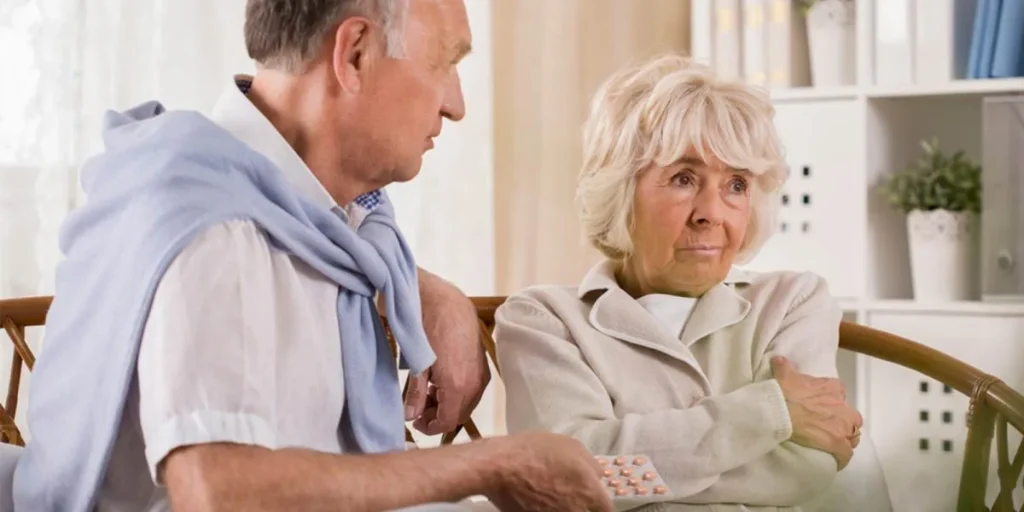

How to deal with stubborn elderly? Stubbornness is a natural thing in the elderly and one of challenges of aging, but it is one of the difficult things for children that presents them with challenges. Because dealing with a stubborn elderly person who has mood swings and stubbornness causes confusion and sometimes anger in the family and the elderly caregiver. For example, an elderly person who is stubborn about using a hearing aid can be an example of this behavior.
With increasing age, physical and mental changes and even fear of losing independence cause some elderly people to behave stubbornly. Stubbornness in old age should not be seen as a disease, but should be recognized as a natural stage of life. This stage may require care and support from others, but for elderly people who are stubborn, this support and care should be much greater. First of all, the root of the elderly’s stubborn behavior must be recognized. The main reasons are:
- Feeling of loss of independence and control over life
- Physical problems and chronic illnesses
- Loneliness and need for more attention
- Depression or anxiety due to aging
- Memory impairment or cognitive changes such as Alzheimer’s
In this article from the humanhealthmag website, we will thoroughly examine why the elderly become stubborn. How to deal with stubborn elderly? We will also review practical and simple tips for handling stubborn, aging parents to make life with them easier and more pleasant.
Examples of Stubborn Elderly Behaviors + How to Deal with Strategies
One of the most important issues that most caregivers of the elderly face is preventing the elderly from using the bathroom, which can have many reasons. Such as: shame and the need to maintain privacy, discomfort from water contact with the body (due to excessive cold or heat), feeling insecure (fear of slipping), having a previous bad experience, etc.
There are many ways to deal with this problem, the most effective of which is talking to the elderly. Because it allows us to discover their mentality and find the main cause. To do this, we can ask questions in a very friendly and respectful way. For example: Do you have a memory that made you dislike taking a bath? What temperature would you like your bath to be? Would you like to wear something in the bathroom? Etc. Etc. By asking these questions, you assure the elderly that maintaining their privacy, independence, and peace is important to you, and in this way, they can trust you.
Not Using a Cane
The second case of the stubborn elderly is not using a cane. Because most elderly people think that if they use a cane, they will become disabled and disabled, and it is sad for them to accept this. But we know that this way of thinking is not right and that a cane, as an auxiliary tool, makes the elderly less tired. To solve this problem, we can first explain the benefits of a cane to him/her. Such as: ease of movement, reducing the possibility of slipping and falling, and, etc.
After this, we can get help from his/her peers to help him/her cope with the problem more easily. By doing this, he/she will realize that a cane is a very common tool and most people use it. We can also get help from visual appeal and show him/her different models of canes and tell the elderly how much this tool affects his/her beauty and dignity. But what is most important of all is the absence of force and coercion. Never tell your senior to pick up his/her cane, but just provide it and leave the decision to use it to him/her.
Not Changing Clothes
Another thing a stubborn senior may do is not changing clothes, and possible causes include apathy, apathy, depression, and dementia. How do we deal with this stubborn senior behavior?
First, you need to ask yourself what the real problem is. If he/she agrees to wash his/her favorite clothes regularly and likes to wear them, it is different from when the clothes are dirty but he/she does not care to change them. When he/she goes to take a bath, quickly put the dirty clothes in the washing machine and wash them. If he/she likes certain clothes more such as best adaptive clothing for seniors with arthritis, get more of that type of clothes and remove the rest from his/her closet. Note that wearing the same clothes over and over again is a suspicious sign of Alzheimer’s, memory loss, and impaired decision-making skills.
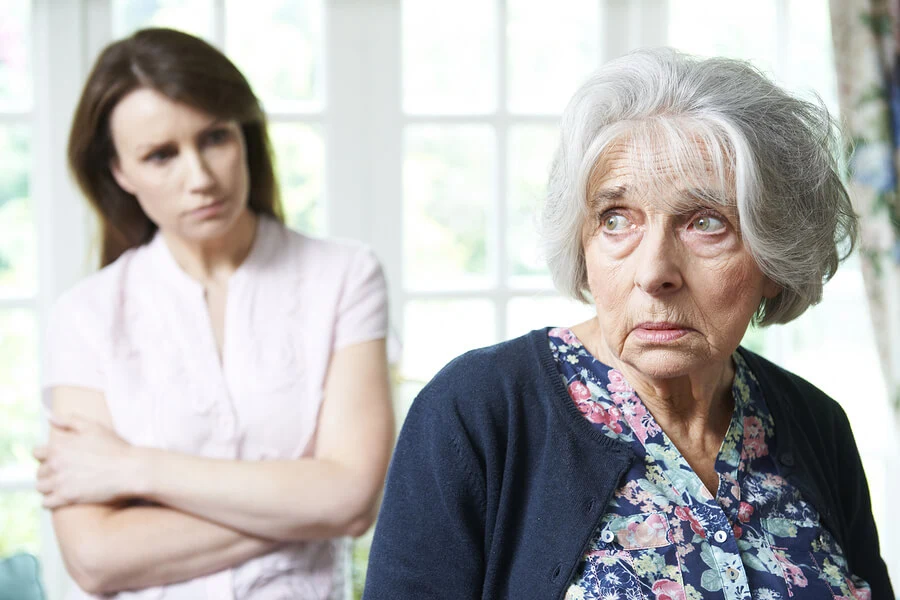
How to Deal with Stubborn Elderly? Tips for Handle Stubborn, Aging Parents
So far, we have examined a few of the behaviors and abnormalities that the elderly may exhibit and how to deal with them. But the abnormalities of the elderly are not limited to these few cases and sometimes they directly affect your nerves and peace of mind as a caregiver of an elderly person.
In the following, we will suggest some effective ways to handle stubborn elderly to you, as a person who takes care of the elderly, so that you can maintain your peace and energy and not get tired of the work you do. Perhaps with these suggestions, the elderly will not suffer from behavioral abnormalities. Now, to have the best reaction to the stubbornness of the elderly, follow the following strategies. Dealing with them correctly will lead to better decisions and prevent possible dangers.
1- Be Patient When Talking to Seniors
One of the important points in how to deal with stubbornness in the elderly is patience and perseverance. Do not expect to solve everything with the elderly in one conversation. Talk to the elderly about concerns repeatedly and let the elderly gradually reach mutual understanding. Especially when your loved one has dementia or cognitive disorders and is not able to receive a lot of information at once.
Sometimes, during your communication with the elderly, you may feel that the prevailing atmosphere is heading towards a fight and argument, in this situation you should remain calm. It is true that both of you are adults and you may want to respond like him and defend yourself, so to speak, but you should know that getting angry will make everything worse. The stubborn elderly person is much more confused than you and may just be looking for your attention; so, there is no need to respond rudely. You just need to remain calm. Because all he/she needs is respect and attention.
2- Neglect Body Language
Body language is one of the important factors in communicating properly with all people. So, it is better not to neglect this when communicating with the elderly. Smiling is one of the most effective body languages. Smile when you talk to them. Smiling and maintaining eye contact with the elderly person shows that you are listening to them well. Even if your smile is fake, it will satisfy their need for attention from you.
Never emphasize the stubbornness of the elderly. Do not pressure them, do not complain and do not speak loudly. Arguing, shouting, and arguing can cause serious harm. On the contrary, try to participate with the elderly and be with them in the decision-making processes. Also, understanding the feelings helps maintain the value of the elderly and gives them a sense of power.
3- Talk to the Elderly at the Proper Time
Don’t forget the effect of talking on how to deal with stubborn elderly. You can reduce the elderly person’s stress by talking and remembering sweet memories of the past. But you should be careful not to enter into negative and uncomfortable memories.
Your conversations with a stubborn elderly person are only productive when they are done in a calm and safe environment. Days when the elderly are facing stress and fatigue will not be a good opportunity to talk and express opinions. This also applies to you. In fact, when you are under severe stress and are struggling with specific conflicts in your personal life, avoid talking. Because you will only cause fear and anxiety in your elderly parents and you will not be able to do anything.
4- Treat the Elderly Like Adults
Another important tip for How to deal with stubborn elderly is to maintain respect for the elderly. Try not to treat them like children, as they do not like this type of treatment and like to be valued and respected when talking. So, focus on the elderly’s abilities during conversations and keep their right to choose alive by involving them in every decision-making.
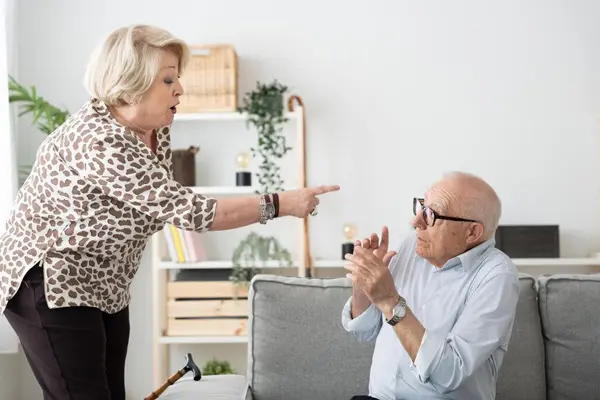
5- Encourage the Elderly to Do Some Things Freely
Working has always been a good option to get rid of thoughts and imagination. Give the elderly a feeling of independence in doing some things and help them work. Talk about what your aging parent can still do on their own. Maybe they can still prepare their own meals or do their own laundry. Make a list of all the activities that the senior can manage and do independently.
Then ask them to talk about what they find difficult to do, such as paying bills or climbing stairs. Create entertainment for them. Such as: gardening, babysitting grandchildren in retirement, watering plants, coloring, accompanying them with children, etc. You can also ask them to accompany you in some situations. In this way, they will be entertained and you will have prevented possible tensions.
6- Consider Outdoor Activities for the Elderly.
It is very difficult for an elderly person to stay at home for more than 5 hours, they may not seem very active, but depression can happen at any age. Hence, take them out of the house for a short walk. This will free both of your minds.
7- Hug the Elderly
Hugging is one of the best ways to handle a stubborn senior. Humans are made for touch. Older people with negative emotions are those who are rarely hugged by others. Therefore, if you see them angry or upset, sit them down and surprise them with a warm hug. By doing this, you will see a state in them that you have never seen before.
8- Don’t Forget the Power of Laughter
Tell the elderly person funny stories or show them a comedy movie. Don’t doubt that laughing will remove all the negative energy from you and the elderly person.
9- Spend More Time with Elderly Parents
You need more time to care for a stubborn elderly person at home. Sometimes your elderly parents just want to see you more but don’t know how to bring it up. As they get older, your parents appreciate your attention more and want you to prioritize them over spending time with others. If your parents are unable to visit you due to physical problems, illnesses, or financial constraints, visit them. If visiting them in person is difficult due to geographical differences, call them more often and send them more emails. This will improve your interactions with the parents.
10- Explain the Consequences of the Elder’s Behavior
The best way to deal with a stubborn elder is to calmly inform him/her of the possible consequences of his/her actions. Do not frame the issues in a punitive manner or talk to the elder like a child. Simply remind him/her of the consequences that his/her actions may have. For example, “Mom, I love you and I want you to be independent, but this independence may hurt you.” If the stubborn elder can accept some of his weaknesses, he can calmly deal with them, and the likelihood of you encountering a stubborn elder will decrease.

11- Understand the Motivation Behind Your Senior’s Behavior
Listen more than you talk. This is a good idea in almost any situation, and especially when you’re with your parents. Listening to your senior can be very helpful in breaking down their stubbornness. If you don’t listen to them, no matter how trivial the conversation, how will you know what’s bothering them (and making them stubborn).
Sometimes, an elderly person’s stubborn behavior serves a specific purpose. They may have decided to stubbornly convey to you what is bothering them, but it is difficult for them to talk about it. Get close to them and listen carefully to what they have to say. They may be afraid of something and are anxious about it. That’s why they insist on it. For example, they’re afraid of what the doctor will say about their condition and would rather not go to the doctor.
12- To Eliminate Stubbornness in the Elderly, Do Not Neglect the Support of Friends
Friends and neighbors, and even your parents’ peers, can be of help. Sometimes it can be easier for an elderly person to hear and accept some words from those who are not family members (such as friends). Sometimes a stubborn elderly person responds better to the words of others and close friends. It may be easier for them to hear the truth and logical solutions from people outside the family.
13- See a Doctor for a More Detailed Examination
If all these methods and tips for managing stubbornness in seniors fail, distance yourself from them. They may have vented their anger on you for other reasons. Also, if you find that they are constantly blaming you for everything, the best thing to do is to distance yourself from them because if you are around them, they may take advantage of you, which is not good for your mental health at all.
In the meantime, if you are unsuccessful in how to deal with stubborn elderly parents, you can talk to doctors who are familiar with your parents. Tell the doctors to share your concerns with your parents and talk to them scientifically and logically.
Concluding Remarks
How to handle stubborn elderly? Taking care of stubborn elderly can be a challenge and a source of frustration. But by following the tips and tricks in this article, you can cope with the situation and find solutions.
Suppose all your elderly parents’ decisions are wrong; You have no right to treat them with emotions, get angry, start arguments, and swear. To control your anger and reduce stubbornness in the elderly, practice anger management or seek help from counselors. Another important issue is that if one parent is putting the other at risk with their stubbornness, you need to address this issue, especially if the non-stubborn parent is silent or tired of protesting.
Thank you for following this article so far. If you also have information or experience in this field, please share it with us and other users.

Frequently Asked Questions
Why does nursing the elderly and stubborn require special knowledge and experience?
Because these people need more special care and attention due to their mobility and physical problems. The nurse must be able to deal with these problems with high skill and accuracy and help the elderly correctly and effectively.
What skills should be present in a stubborn elderly nurse?
This nurse must have skills such as communicating effectively with the elderly, having knowledge in the field of care and treatment of stubbornness, as well as having high tolerance and sufficient patience
How should you deal with a stubborn elderly person?
When dealing with a stubborn elderly person, you should be patient and avoid getting angry and try to properly convince and satisfy the elderly person about his or her wishes and words.
What are the main reasons for stubbornness in the elderly?
The main reasons include fear of losing independence and control, physical problems and chronic diseases, loneliness, depression and anxiety, as well as memory loss or the onset of diseases such as Alzheimer’s.
What is the first and most important step in how to deal with a stubborn elderly person?
Before taking any action, you need to understand the root and motivation behind their stubborn behavior. Is their behavior caused by fear, pain, or a need for attention?
When should you seek help from a nurse to care for a stubborn senior?
When managing your senior’s behavior becomes challenging and detrimental to your own and their mental health, seeking help from an experienced nurse can help improve the situation and better manage the situation.