
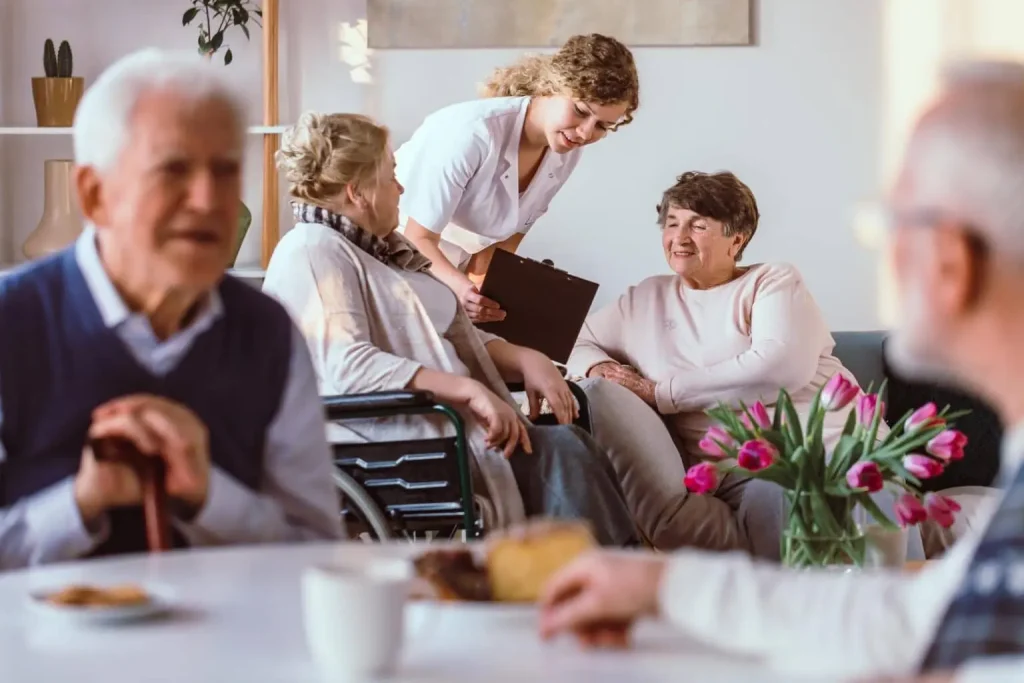

If aging is to be a good thing, this longer life must be accompanied by constant opportunities for health, participation, and security. Only then can we expect an active and vibrant old age. Senior living communities for active aging provide vibrant environments where older adults maintain independence, engage in wellness activities, and foster social connections while enjoying maintenance-free lifestyles.
These communities redefine retirement by emphasizing physical health, mental stimulation, and community involvement rather than decline. Designed primarily for those 55 and older who are self-sufficient, they offer amenities that support an active lifestyle without the burdens of homeownership. In this article from humanhealthmag, we check out benefits, 3 types, and how to choose the right of active senior living communities.
What Is Active Ageing?
Active ageing is a concept defined by the World Health Organization that older people should have opportunities for health, participation and security so that they can maintain and improve their quality of life as they age. This approach is in contrast to the traditional view of ageing, which usually sees it as associated with isolation, decline in ability and dependency.
Benefits of Senior Living Communities for Active Aging
With advances in medicine and health, the average lifespan of humans has increased. As a result, old age can last for decades, and these years need to be spent with quality and meaning. Residents in active senior living communities experience enhanced physical health through access to fitness centers, swimming pools, and tailored exercise classes that promote mobility and strength.
An active lifestyle can prevent or control diseases such as diabetes, high blood pressure, osteoporosis, and heart problems. Mental well-being improves via educational workshops, hobby clubs, and lifelong learning programs that keep minds sharp and engaged. Social bonds strengthen through organized events, game nights, and group outings, reducing isolation and boosting happiness.
Active aging allows people to live more independently, make their own decisions, and reduce dependence on others. These communities also provide practical advantages like housekeeping, transportation, and nutritious dining options, freeing time for pursuits that enrich life. Security features, including emergency systems and on-site staff, ensure peace of mind. Overall, such settings contribute to longer, healthier lives by integrating wellness into daily routines.

3 Types of Senior Living Communities for Active Aging
3 types of senior living communities for active aging include:
- Independent Living Options
Independent living within active senior living communities suits self-sufficient seniors seeking apartments or cottages with communal perks like clubhouses and fitness facilities. Residents handle daily tasks independently but benefit from optional services such as meal plans or laundry. These setups emphasize autonomy alongside social opportunities.
- 55+ Active Adult Communities
55+ communities, a popular form of senior living communities for active aging, restrict residency to those 55 and older and feature amenities like golf courses, tennis courts, and art studios. They promote a kid-free, quiet atmosphere ideal for hobbies and peer connections. Wellness programs and social clubs keep residents dynamically involved.
- Continuing Care Retirement Communities
Continuing care retirement communities (CCRCs) offer scalable support in senior living communities for active aging, starting with independent living and progressing to assisted care if needed. This model provides long-term security on one campus with diverse services. Residents enjoy active phases while planning for future changes.
Amenities in Active Retirement Communities
Fitness and wellness centers form the core of active senior living communities, equipped with gyms, pools, and senior-specific classes for physical vitality. Dining venues serve chef-prepared, health-focused meals in casual or formal settings to support nutrition. Recreational spaces include libraries, theaters, and gardens for creative and relaxing pursuits.
Personal services like beauty salons and medication management add convenience, enhancing daily comfort. Many communities host vibrant calendars of events, from workshops to outings, ensuring constant engagement. Technology integration, such as fitness apps or virtual classes, modernizes active living.
Activities Promoting Active Aging
Active retirement communities schedule diverse activities to nurture body, mind, and spirit. Physical options range from walking trails and yoga to strength-building rehab programs. Intellectual pursuits include classes on art, history, or tech, fostering growth.
Social events like holiday celebrations, clubs, and volunteer groups combat loneliness and build networks. Outdoor amenities such as gardens or sports courts encourage nature-based activity. These programs adapt to interests, ensuring broad participation and fulfillment.
Choosing the Right Senior Living Community for Active Aging
Evaluate location, amenities, and costs when selecting senior living communities for active aging, prioritizing those matching personal hobbies and health goals. Tour facilities to assess community vibe and activity levels. Consider pet policies, fee structures, and future care options for comprehensive fit.
Online searches and local marketing reveal nearby options, from small apartments to amenity-rich campuses. Feedback from residents highlights true experiences with active aging support. Forward-thinking communities attract those seeking proactive wellness.
Concluding Remarks
The important thing in aging is how to age. The most important thing that increases the quality of life in aging and makes the elderly have a better life is to maintain independence. The goal is for the elderly to be able to do their daily tasks and be active both in the family and in the community.
For the elderly to be active, they must have equal opportunities and positions in society for recreation, education, learning, employment, volunteer activities, etc. While in many cases there are restrictions for the elderly, for example in education or employment. Senior living communities for active aging empower older adults to thrive vibrantly, blending independence with enriching support.

Frequently Asked Questions
What types of activities are offered in senior living communities for active aging?
These communities provide fitness classes, social events, educational workshops, and outings like trips or clubs to promote physical, mental, and social engagement.
What amenities can residents expect in active senior living communities?
Common features include fitness centers, pools, dining options, libraries, and outdoor spaces designed for wellness and recreation.
How much does it cost to live in senior living communities for active aging?
Costs vary by location and services, often covering rent, meals, maintenance, and activities, with monthly fees ranging based on independent living options.