
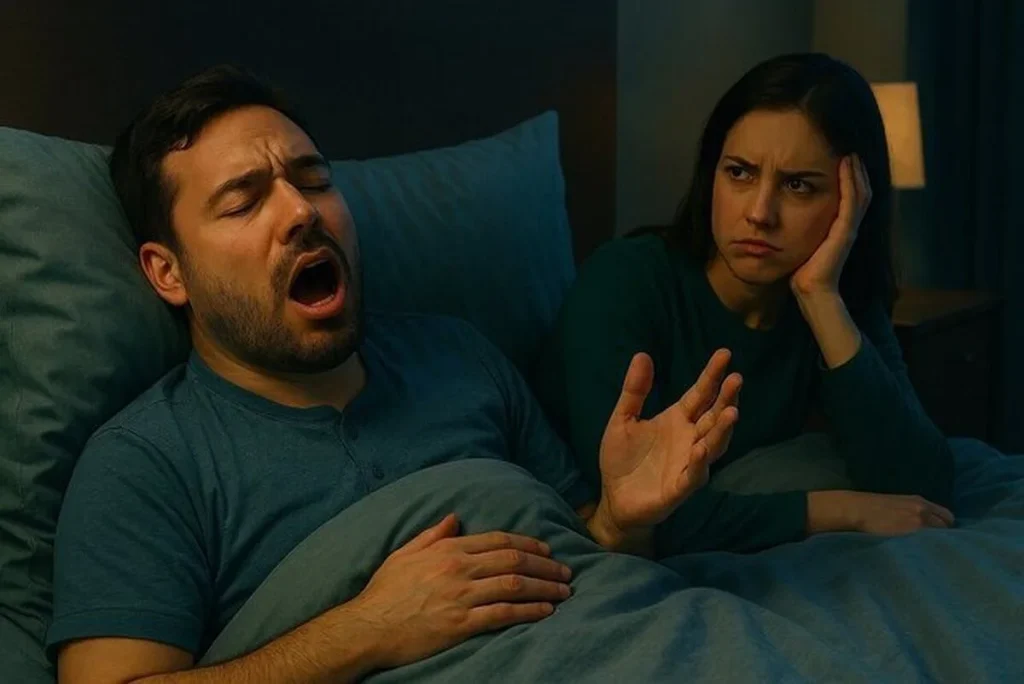

Sleep talking is a common disorder in children and adults that causes people to speak incoherently or even scream during sleep. This condition, which occurs during different stages of sleep, is harmless in most cases and is usually caused by stress, depression, high fever, and alcohol consumption. According to a recent study in Elsevier, talking in sleep is more common in children than in adults. It also occurs equally in men and women. In addition, another study in France found that women swear more often in their sleep than men.
Despite the prevalence of talk during sleep, its exact cause remains unknown because it can occur independently or as part of a sleep disorder. If this problem bothers you or those around you, fortunately, there are various ways to control and treat it. In the rest of this article from the humanhealthmag website, we will tell you everything you need to know about sleep talking, its causes, and its treatment. Keep reading to get most information about it.
What Is Sleep Talking?
Sleep talking or talk during sleep is a type of parasomnia (abnormal behavior that occurs during sleep) or sleep disorder that causes incomprehensible and voice-like sounds or imaginary conversations in sleep cycles. People who talk in their sleep are called somniloquy. Although this disorder is not very dangerous, it can be annoying to others. Especially if the talking is in a way that causes embarrassment and shame after waking up.
This phenomenon is very common among children and adults and, as we said, is not usually considered a medical problem or a dangerous disease, but this disorder can sometimes be a sign of neurological diseases in the person. Usually, people who talk in their sleep only talk for 30 seconds in each sleep segment. But some people repeat this state repeatedly.
| Causes of Somniloquy | Symptoms of Sleep Talking | Diagnosis and Treatment Methods |
| Stress and anxiety | Incomprehensible speech or complete sentences in sleep | Incomprehensible speech or complete sentences in sleep |
| Lack of sleep and fatigue | Talking in a normal or emotional tone | Performing a sleep test (polysomnography) in severe cases |
| Fever and infectious diseases | Screaming or yelling in sleep | Setting a regular sleep schedule |
| Alcohol and caffeine consumption | Not being aware of talking when waking up | Stress reduction and relaxation techniques |
| Genetics (family history) | With sleepwalking or unusual movements | Avoiding stimulants before bed |
| Side effects of taking certain medications | Negative impact on the sleep of others | Consultation with a doctor in chronic cases |
| Sleep disorders such as sleep apnea | Repeatedly in one night or consecutive nights | Treatment of sleep apnea or other related disorders |
| Neurological disorders (Parkinson’s, dementia) | With nightmares | Drug therapy in special cases under the supervision of a doctor |
What Are the Symptoms of Sleep Talking?
It is difficult to diagnose talking in sleep by the person themselves, and it is often those around them who tell the person that they have talked in their sleep. Talking in sleep usually appears as incomprehensible speech or short conversations during sleep. The person may say meaningless words or utter complete sentences. These speeches can occur in any stage of sleep and the person usually has no memory of them after waking up. Talking in sleep accompanied by grinding teeth, walking in sleep, excessive shaking in some people and nightmares are some of the symptoms of this disorder. Other signs associated with sleep talking problem include:
- Screaming or screaming in sleep
- Incomprehensible or clear speech in sleep
- The person is not aware of his/her own speech
- Inability to remember the speech after waking up
- Occurring in any stage of sleep
- Disturbances in the sleep cycle and waking up oneself or others
What Causes Someone to Talk in Their Sleep?
Why do we talk in our sleep? Unfortunately, the main cause of this and what interactions occur in the brain when a person starts talking in their sleep have not yet been determined. One of the data available in this field is that sleep talking usually occurs in those who have a history of it in their family. For those whose first-degree relatives also have this problem, the likelihood of talking in their sleep is higher. Therefore, it can be said that there is a possibility that this issue is genetic.
In some cases, the cause of talking in sleep may be stress and anxiety, and in other cases, this issue may occur due to other mental illnesses. One of the main symptoms of some physical illnesses that are accompanied by pain is talking in their sleep.
Some people are afraid in their sleep and have scary dreams, especially those who scream in their sleep. Children who have nightmares sometimes get up and walk around. Some of the other most common factors that may cause sleepwalking include:
- Alcohol consumption
- Tobacco and drug use
- Extreme daily fatigue
- Depression and mental health problems
- High fever or cold
- Insufficient sleep
- Stress and nervous tension
- Post-traumatic stress disorder
- Certain medications
- Psychological trauma
Why Children Talk in Their Sleep
Children talk in their sleep more often than adults and usually decreases as they grow older. Factors such as fatigue, stress, or changes in sleep schedule can trigger this behavior. This condition is usually harmless and does not require treatment.
Causes of Sleep Talk in Teenagers
In teenagers, talking in sleep may be due to academic stress, hormonal changes, or lack of sleep. Managing stress and maintaining a regular sleep schedule can help reduce this behavior.
Causes of Sleep Screaming in Adults
What causes sleep talking in adults? People with sleep terrors and REM sleep behavior disorder (RBD) often scream and shout in their sleep. This condition may be exacerbated by stress or anxiety. Screaming or talking in their sleep, or night terrors, can be caused by sleep disorders such as severe nightmares, stress, or anxiety disorders. In some cases, this condition may be related to problems such as sleep apnea.
Causes of Sleep Talk in the Elderly
In the elderly, sleep talking can be due to normal age-related changes in sleep patterns, side effects of medications, or the presence of sleep disorders such as sleep apnea. Do you know do elderly people need more sleep?
Why Do Some People Sleep with Their Eyes Open?
Some people sleep with their eyes half open. The reason for talking a lot in their sleep can be various things like stress, anxiety, genetics and many more. Half-open eyes can also occur at the same time.
Sleep Problems After Stroke
The most common types of disability after stroke include speech disorders, limited physical abilities, weakness or paralysis on one side of the body, difficulty grasping or holding objects, and a slowing of the ability to communicate and talk in their sleep.
Reasons for Sleep Talking in People with Dementia
Talking in your sleep without stopping is commonly seen in certain types of dementia, especially Lewy body dementia and vascular dementia. This can indicate a REM sleep disorder or another underlying disorder.
Sleep Talking in Schizophrenia Patients
This is a very rare form of talking in sleep. A person with schizophrenia or bipolar disorder may talk rapidly and incoherently for several minutes at a time before falling back asleep.
Talking and Kicking in Your Sleep
Some people may experience both talking and kicking in their sleep, known as sleep-related movement disorders. In this condition, people physically act out their dreams, resulting in talking and kicking in their sleep.
Talking in Your Sleep After a Head Injury
Sleeping after a head injury is unlikely to cause serious problems. The main risk is that when you are asleep, your family or doctors may not notice signs of serious brain damage, such as seizures or weakness on one side of your body.
Stress, Anxiety, and Sleep Talking
Stress and anxiety can disrupt your sleep cycle and make talking in sleep more intense. This is more common in people who have sensitive jobs or children who are having a hard time at school.
Sleep Talking with a High Fever
When someone is sick with a high temperature (especially in the sleep of people with the flu), their sleep patterns are disrupted, causing vivid dreams and even talking in sleep. This is temporary and improves when the fever goes down.
Sleep Talking with Sleep Apnea
Sleep apnea is the sudden cessation of breathing during sleep. Some people may talk in their sleep or have vivid dreams along with apnea. In fact, sleep apnea can cause frequent awakenings and brief periods of unconsciousness, which may be accompanied by sleep talking. Sleep apnea treatment for seniors can help reduce these symptoms.
Reasons for Sleep Walking and Sleep Talking
Both sleep walking and talking in sleep are types of parasomnias, or sleep disorders, and can occur due to genetic factors, sleep deprivation, stress, or certain medications. Creating a safe sleep environment and managing stress can help reduce these behaviors.
Reasons for Talking in Sleep During Pregnancy
The third trimester of pregnancy is a time when mothers can expect increased insomnia and nighttime awakenings. At this time, it is common to wake up several times a night due to discomfort such as back pain, the need to urinate, leg cramps, heartburn, and fetal movement.
Psychology of Sleep Talking
Sleep talking usually occurs during very light sleep. After the light sleep stage, a person enters a deep sleep and after 70 to 90 minutes, they enter a dreaming stage, which repeats every 90 minutes. Talking in sleep has nothing to do with dreaming, but with light sleep. In this state, the mind takes a complex path and reviews thoughts again. This process is actually a wandering of a confused mind in thoughts.
Talk during sleep is more common in children and many people who grow up with this problem. Sleep talking can have genetic roots. Anxiety and stress in particular can contribute to this issue. People who talk in their sleep are generally worried and anxious in some way.
Professor Horn believes that it is better not to worry too much about talking in sleep. Also, we should not take what other people say in their sleep seriously. However, talking in your sleep can indicate a problem. Someone who consistently talks in their sleep is likely anxious, and finding out the cause of this anxiety can be a good solution.
How is Sleep Talking Diagnosed?
When you see a psychologist, the doctor will listen to you and find the roots of this problem after a while. If there is no specific cause such as stress and anxiety in your life, this problem is likely to be genetic. Usually, those who suffer from this problem are people whose relatives also have a history of talking in sleep. In general, no diagnostic test is performed to diagnose the cause of this problem.
Sleep talking is usually diagnosed based on self-report or roommates’ reports. In severe cases, polysomnography (a sleep study) may be used for a more accurate assessment.
Treatment for Sleep Talking
If your teen is experiencing talking in sleep and is accompanied by screaming, fear, and other symptoms, it is best to see a psychologist as soon as possible. One way to help you treat this problem is to talk to a specialist. If this problem bothers your young child, it is best to consult a pediatrician first.
There is still no definitive treatment for sleep talking disorder, but seeing a specialist can help manage your sleep situation. In most cases, sleep hygiene recommendations are given to treat this problem and can be effective. For example, one of the most important things that is effective in this issue is that a person regulates their sleep schedule and experiences less stress and anxiety in their sleep. Because one of the main causes of talking in sleep can be stress. In addition, some things that can be effective in controlling sleep talking include:
- Have a regular sleep schedule and adjust your sleep schedule even on holidays and weekends.
- Avoid drinking alcohol, caffeine, and stimulants before bed. (It is better to consume these drinks in the morning so that their effects are gone by the evening)
- Prepare your sleep space and increase its quality. Reduce the light and go to sleep in a quiet space.
- Try to be exposed to sunlight during the day and do exercise and physical activities during the day.
- Adjust the height of your pillow and sleep in a comfortable place.
- Avoid eating fatty and heavy meals before going to bed.
- Effect of diets for better sleep is very high.
Is Sleep Talking Dangerous?
Sleep talking (somniloquy) is generally considered a harmless behavior and usually does not require treatment. However, in some cases, it can be a sign of a sleep disorder or more serious problem. If this behavior is accompanied by other symptoms, such as screaming, abnormal movements, or sleepwalking, it requires a close examination by a doctor. Possible complications of talking in sleep include:
- Disrupting the sleep of others
- Possibility of physical injury from sleepwalking or violent movements
- Possibility of neurological problems (in some older people, talking in sleep can be a sign of diseases such as Parkinson’s or dementia)
- If this behavior is frequent and severe or is accompanied by other symptoms, a visit to a psychologist or psychiatrist can help diagnose and treat the condition.
Concluding Remarks
Sleep talking is a common and usually harmless behavior that is characterized by making incomprehensible sounds or conversations, screaming, and even uttering short words. Identifying and managing triggers, such as stress and chronic anxiety, can help reduce this behavior.

Frequently Asked Questions
Is there a medication to stop sleep talking?
Medication is not usually prescribed for talking in sleep. In cases where the behavior is caused by a sleep disorder or other medical condition, treating that condition may help reduce sleep talking.
Is there a definitive treatment for sleep talking?
Since sleep talking is usually harmless, definitive treatment is not necessary. However, managing triggers can help reduce or eliminate the behavior.
Is it normal to be able to talk during sleep paralysis?
Talking in your sleep during sleep paralysis is a difficult experience for the patient. Some people may try to talk unconsciously during sleep, but due to the relative activation of the vocal muscles and the suppression of voluntary muscle control, they only produce muffled sounds.
Can menopause cause sleep talking?
Sleep disturbances during menopause can occur due to hormonal changes, hot flashes, night sweats, anxiety, or insomnia. These factors can disrupt your sleep cycle and lead to increased sleep talking.
How to control sleep talking?
There is no specific treatment to stop talking in sleep, but you can make lifestyle changes. One of the methods that can be used to improve this issue is to practice sleep hygiene. In any case, no one knows they have this problem.
What causes sleep talking?
Several factors, such as stress and anxiety, lack of sleep or extreme fatigue, high fever, and alcohol or drug use, can lead to talking in sleep.
Does sleep talking affect sleep quality?
Sleep talking usually does not directly affect a person’s sleep quality and may be more of a nuisance to roommates or partners. However, in some cases, if it is accompanied by other sleep disorders, it can harm sleep quality.
Is it possible to speak in another language in your sleep?
Yes, a person may speak a language other than their native language in their sleep. This phenomenon is usually observed in people who are fluent in multiple languages or live in multilingual environments. The content of sleep speech may be related to the person’s daily experiences or memories.