
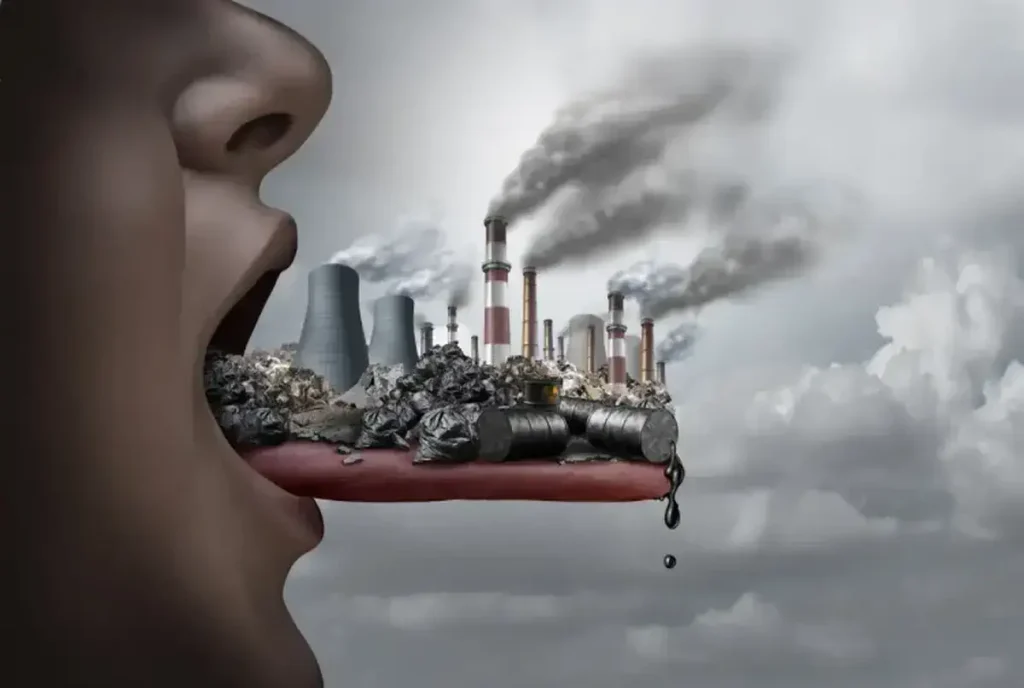

When the air becomes polluted, you probably ask yourself and others the question: what to eat in air pollution? Air pollution is the biggest problem in big cities during the cold and autumn seasons, which can have very negative and destructive effects on the health of the human body and heart.
If the amounts of suspended particles in the air exceeds its normal limit and reaches an unhealthy and dangerous level for sensitive groups, it will make it difficult for everyone, especially heart patients, to breathe normally. But don’t worry, because you can take care of your heart health by using a healthy and balanced diet, in addition to safe exercises for elderly with heart conditions. Which food is good for air pollution?
If you want to know how to fight the negative consequences of air pollution and take care of your heart health, or if you want to know what to eat when the air is polluted? Keep reading this article from humanhealthmag, and learn about 10 meals that are beneficial for heart and body health during air pollution.
The Effect of Air Pollution on Heart Attacks, Heart Palpitations and Blood Clots in the Arteries
For every 10 micrograms per square meter of pollutant particles and dust that you inhale, the risk of a heart attack increases by 10 to 20 percent. Exposure to polluted air is very dangerous and will increase the risk of a heart attack by increasing blood pressure in people prone to heart disease.
The risk of cardiac arrhythmia increases following exposure to polluted air. That is, it can be said that one of the side effects of air pollution for the heart is the intensification of arrhythmia or an increased risk of developing cardiac arrhythmia. Harmful chemicals present in polluted air can increase the level of stress and inflammation in the body and disrupt the functioning of the heart’s electrical signals.
Following arrhythmia and a sharp increase or decrease in heart rate, the risk of blood clots will increase. The formation of blood clots in the veins also increases the risk of heart attack and stroke and poses a risk to the health of the heart, brain, and other organs of the body. In the following section, we will tell you what is better to eat in air pollution so that our lungs stay healthy, especially during the pollution season.

What to Eat in Air Pollution
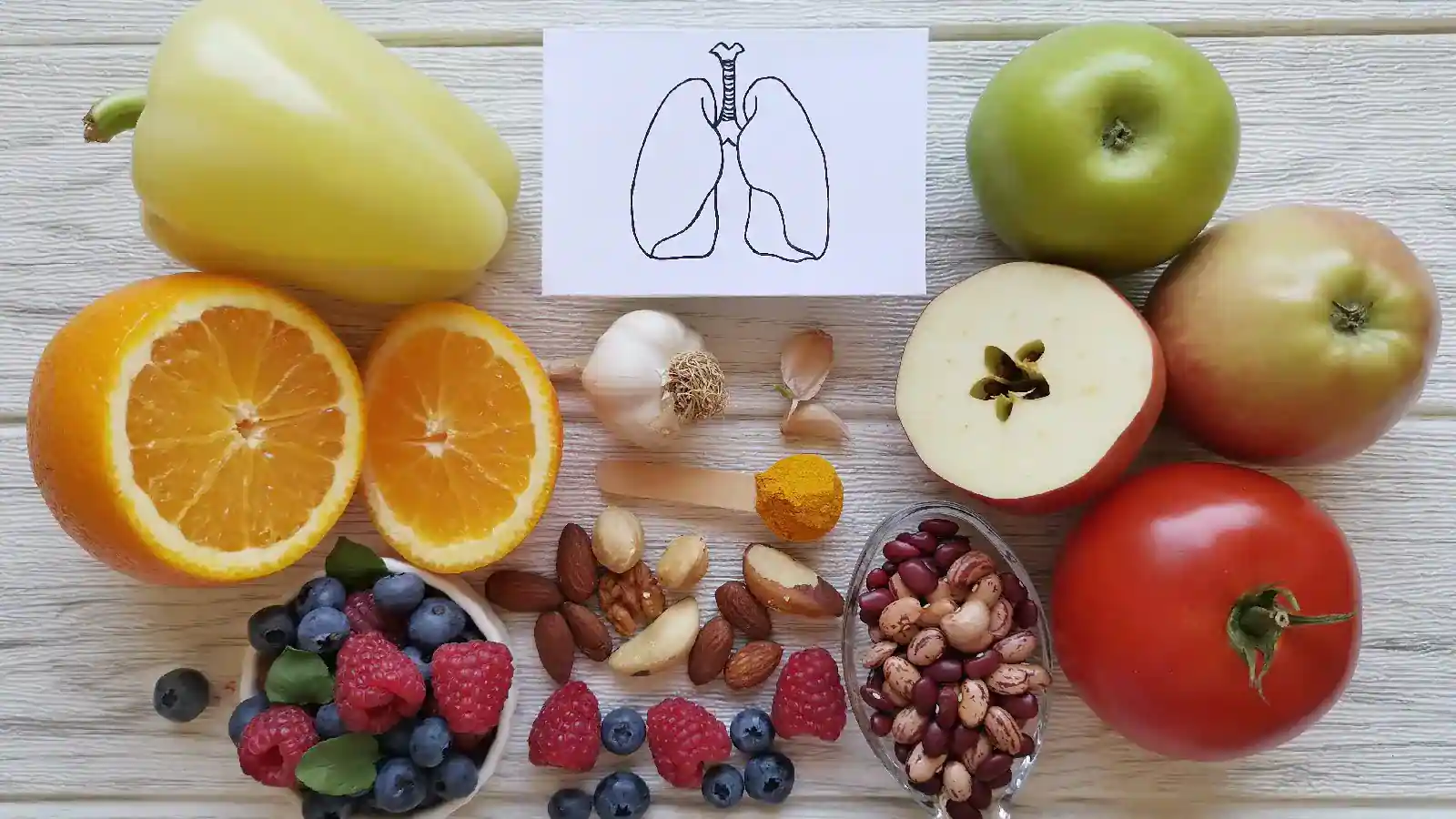
Air pollution is more dangerous than you think. The only way to combat this common condition that we experience every year is to follow a healthy diet. In answer to the question of what to eat when the air is polluted? It should be said that the following food groups are among the most useful foods to reduce the possible effects of air pollution on the heart:
Foods with Vitamins A, E, and C
If you are also wondering what to eat in air pollution, the best option is to take vitamins and minerals. Vitamins A, E, and C are among the best vitamins to combat the negative effects of air pollution on the heart. Vitamin E has antioxidant properties and is a powerful cleanser for toxins entering the body. Vitamins C and A also have a significant effect on protecting the body and cleansing toxins entering the heart. Rich sources of vitamin E that you can consume during air pollution include:
- Liver
- Walnuts
- Olives
- Spinach
- Nuts
- Fish and vegetable oils
Sources that are rich in vitamins C and A and are useful during air pollution include:
- Citrus fruits such as oranges, grapefruits, tangerines and lemons
- Berries such as strawberries and blackberries
- Dark leafy vegetables such as lettuce
- Bellied peppers and tomatoes
- Broccoli
- Carrots
Fresh fruits and vegetables are very effective in cleansing the body of toxins and pollutants and protect your heart health from air pollutants.
Low-fat Milk and Dairy Products
Consuming low-fat milk and dairy products will help to obtain the oxygen lost in the body and actually compensate for the lack of oxygen on days of air pollution. Drinking milk, consuming yogurt and low-fat cheeses will help to increase oxygen supply in the blood and improve heart function during times of air pollution.
On days with air pollution, try heating a glass of low-fat milk and adding some honey and cinnamon. In addition to compensating for the lack of oxygen, milk and dairy products also help to compensate for the lack of calcium in the body and will lead to the elimination of inhaled lead in the body.
Garlic and Onion
Garlic and onion are two foods rich in antioxidants that also have anti-inflammatory properties. Despite the unpleasant smell that we experience after consuming garlic and onion, the respiratory system and internal organs will be cleansed. Also, if these two foods are consumed raw, they will help to reduce blood pressure during times of air pollution.
Antioxidant-Containing Foods
Another heart-healthy food during times of air pollution is antioxidant-containing foods. Natural and synthetic antioxidant-containing compounds that you can consume are as follows:
- Lutein: You can find the antioxidant lutein in the following food groups: Eggs, various fruits, especially berries, starchy vegetables such as corn and peas, various cabbages such as broccoli, cauliflower or white cabbage leaves
- Selenium: Another mineral with antioxidant properties is selenium, which is found in eggs, red meat, fish, legumes and chicken and is suitable for consumption during times of air pollution. If you experience severe shortness of breath in polluted air, this could be a sign of heart and lung irritation due to reduced oxygen.
- Lycopene: The mineral lycopene, which is found in large amounts in tomatoes and watermelon, has antioxidant properties and is a good factor in combating the effects of air pollution on the heart.
Drink water
Water is the easiest drink available to take care of your heart health during times of air pollution. Water is effective in accelerating the process of absorbing oxygen and detoxifying the body from air pollutants. During times of air pollution, try to drink 6 to 8 glasses of water daily to have more oxygen and less toxins and pollution in your body.
What Should We Not Eat During Air Pollution?
In addition to meals that are suitable for the health of the heart and human body during air pollution, there are some dietary restrictions that, by observing them, will help improve your heart health. If you breathe polluted air and are concerned about your health, avoid the following meals:
- Fatty and Heavy Foods
Fatty and spicy meals made with clarified butter, solid and liquid oils reduce your physical strength and consume a lot of energy for digestion. If you eat fast food and ready-made fried foods, your body will need a lot of energy and oxygen for digestion. As a result, it will interfere with the lack of oxygen in your body caused by air pollution and will make you feel short of breath. Try to reduce your consumption of the following foods as much as possible during times of air pollution:
- Sausages
- Pizza, sandwiches, and fast food
- Fried foods such as fried chicken and potatoes
Of course, these foods can lead to coronary artery blockages and heart failure and stroke due to their high fat content.
- Fresh Fruits and Vegetables Sold on the Side of the Road
Contrary to the deceptive appearance of the fruits and vegetables sold by street vendors and vans, these fruits and vegetables are more polluted than you might think. This is because not only air pollution, but also pollution and smoke from passing cars are deposited on the outer surface of these fruits and vegetables. Whether during times of air pollution or when you breathe clean and healthy air, avoid buying fruits and vegetables from vans as much as possible.
Concluding Remarks
In this article, we found out what to eat in air pollution and what ingredients to include in our diet. If you have a history of heart disease and your heart is not healthy enough, air pollution can slowly kill you like a deadly poison! In addition to following Nutrition in air pollution, try to avoid the following 5 things to do to protect your heart health during the polluted seasons of the year:
- Do not open the doors and windows of your home or workplace.
- Do not go out during rush hour and peak traffic.
- Don’t leave the house to exercise, run, or even walk
- Do not be outdoors and in public areas suitable for smoking.
- Do not leave the house without checking the air pollution index and whether the air is healthy or unhealthy.
We’re curious to hear your thoughts! What’s your take on this topic? Comment below and join the conversation; your opinion could spark new ideas!

Frequently Asked Questions
What to eat in air pollution?
Consume antioxidants as much as you can. Antioxidants include selenium and beta-carotene, which are your best friends during polluted days. Cantaloupe, mango, pumpkin, bell peppers, spinach, kale, and apricots are rich in beta-carotene. Selenium is found in seafood, poultry, bread, nuts, and whole grains.
What is the best food to eat in polluted air to keep our lungs healthy?
Beets, peppers, apples, pumpkin, turmeric, tomatoes, blueberries, green tea, red cabbage, olive oil, yogurt, coffee, lentils, spinach, and broccoli are among the best fruits, vegetables, and drinks to eat when the air is polluted.
What are the worst foods for lung health?
Processed or salted meats, sugary drinks, and high salt intake can have adverse effects on lung health.